The Ballard Wiring Problem That Has Nothing to Do With Cost
September 10, 2026
September 10, 2026
A Ballard seller pulls comparable sales, sees the craftsman two blocks over closed in under two weeks, and assumes the only number that matters is the repair estimate. Get a bid for the knob-and-tube, subtract it from the list price or offer a credit, move on. That math worked for a decade. It stopped working sometime in the last year, and most sellers in this neighborhood have not caught up to why.
The problem was never really the cost of the wire. It is what has happened to the insurance conversation around it, and that conversation now runs on a clock the rest of the transaction was never built to match.
Knob-and-tube wiring used to be a negotiating line item. A buyer's inspector flagged it, the buyer asked for a credit or a price reduction, and both sides moved forward on a number. Insurance carriers would write a policy with a surcharge, sometimes 50 to 100 percent above standard rates, and everyone treated that surcharge as the cost of owning an old house.
That pricing model is disappearing. Several carriers serving Seattle homeowners have moved from surcharging active knob-and-tube to declining it outright, and the ones still willing to write a policy are increasingly requiring full replacement rather than accepting a disconnected or partially updated system. Insure.com's guidance on older-home coverage lays out the current menu for a homeowner in this position: commit to replacing the wiring within about 30 days, accept a stripped-down policy, or pay a specialty insurer well above standard rates. None of those options is "wait until closing to figure it out."
That shift matters most for FHA and VA buyers, whose financing frequently stalls or fails outright when active knob-and-tube turns up during underwriting, not just during the home inspection. A conventional buyer can often still get to the table with a credit. A government-backed buyer can lose the loan program entirely if the wiring surfaces late.
Washington's seller disclosure law already requires sellers to identify known electrical deficiencies on the disclosure form, so the wiring itself is rarely a surprise by the time an inspector shows up. What changed is what happens after it's disclosed. A fact that used to trigger a negotiation now sometimes triggers a dead end, and the difference depends entirely on when in the process someone finds out.
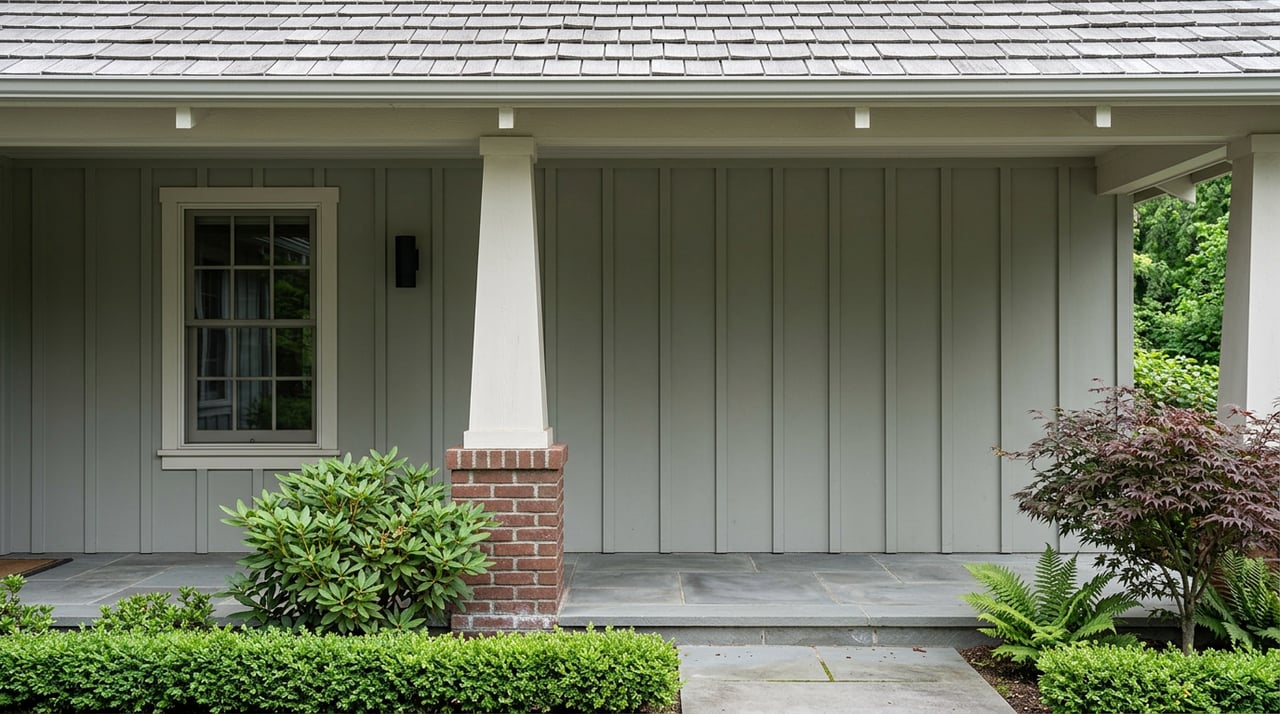
Ballard's housing stock makes this a live issue in a way it isn't in neighborhoods built out later. The area north of NW 60th carries the bulk of the neighborhood's pre-1950s craftsman bungalows, the same vintage that shows up repeatedly in local electrician and inspector guidance as the segment most likely to still carry active knob-and-tube, sometimes mixed with partial rewires from a remodeled kitchen or bath decades ago. A home inspector can flag visible signs at the panel or in an unfinished basement, but standards limit what's actually verifiable without opening walls, so buyers and sellers alike are often working from an incomplete picture until an electrician gets involved.
Layer that housing stock onto Ballard's current pace and the timing problem gets sharper. Over the three months ending July 2026, homes in Ballard sold in a median of 12 days and received two offers on average, according to Redfin's neighborhood data, with a median sale price of $952,000. Price per square foot for the same period sat at $528, down 14 percent year over year, a gap worth sitting with. Prices held roughly flat while the per-square-foot number dropped that much, which points to a market where larger, older homes on bigger lots, exactly the profile most likely to carry legacy wiring, are pulling the average down even as well-prepared listings still move fast.
That combination, a 12-day median timeline and a housing stock where the wiring question can't always be answered by a standard inspection, is the actual mechanism. A market that moves this quickly does not leave room for a mid-escrow insurance surprise. By the time a buyer's lender requests a homeowner's insurance quote, there may not be enough runway left to solve a coverage problem before the closing date on the contract.
The price bands inside Ballard reflect the same split. Sunset Hill's view lots, prized for their sightlines to Puget Sound and the Olympics, regularly command over $1.8 million and tend to have seen more renovation dollars over the years. A few blocks east in Loyal Heights, family-friendly streets near Loyal Heights Elementary run more commonly in the $1.2 to $1.4 million range on similarly sized lots, often with less updating. Whittier Heights carries a mix of 1940s stock that hasn't always kept pace with the rest of the neighborhood's remodels. None of that is a reason to avoid any of these pockets. It's a reason the wiring conversation needs to start earlier the further you get from a fully renovated interior.
A wiring problem does not get more expensive the longer a seller waits. It gets less negotiable, because the deadline that matters most is not the closing date, it's the underwriting date.
The friction point isn't the repair. It's that the insurance timeline and the closing timeline are running on separate clocks, and nobody is checking whether they'll meet.
| Question | Seller's move | Buyer's move |
|---|---|---|
| When to check the wiring | Order an electrician's evaluation before listing, not after an offer arrives | Request an insurance quote alongside the home inspection, not after loan approval |
| What proves the work is done | A closed permit and final sign-off from the local building department | A written electrician's report stating what's active, what's been replaced, and what's still unknown |
| What actually stalls a closing | An insurance denial that surfaces during the buyer's inspection window, with no time left to negotiate a fix | Waiting until underwriting to request a quote, discovering the denial only after the loan is already in process |
Read across that table and the pattern is the same on both sides. The party that waits until the transaction is already moving is the party that loses leverage or loses the loan. The party that front-loads the question, before listing or before writing the offer, keeps every option on the table: a credit, a seller-funded repair, or simply proceeding with clear eyes.
A few moves separate a smooth closing from a stalled one in this specific segment of Ballard's market:
None of this is a reason to avoid a craftsman with older wiring. It's a reason to get the wiring question answered on a calendar that respects how fast this market moves, rather than discovering it on the calendar the transaction hands you.
Does every older home in Ballard have knob-and-tube wiring? No. Many have been fully rewired, and others have partial updates, often in a remodeled kitchen or bath, with original wiring still present elsewhere. The only way to know for certain is a licensed electrician's evaluation, since standard home inspections are limited to what's visible and accessible.
If a buyer is using FHA or VA financing, is a denial automatic? Not automatic, but it's a real risk. Underwriters on government-backed loans flag active knob-and-tube more often and more strictly than conventional lenders, and a buyer relying on that financing should build the insurance question into their offer timeline rather than assuming it will sort itself out later.
What does full replacement actually cost? It varies too widely by square footage, access, and how much of the original system remains to quote a single number responsibly. The better move is getting bids from a licensed electrician early, before it becomes the thing standing between an accepted offer and a closed one.
If you're weighing what an older Ballard home is really worth once the wiring question is on the table, or you want a pre-listing read on how your property's electrical history affects your timeline, Lizanne Wicklund can walk through what the current market actually rewards before you list or write an offer.
Stay up to date on the latest real estate trends.




With an early career in design, marketing, and corporate partnerships at Seattle’s top firms, Lizanne brings a sharp, creative edge to residential real estate. She combines expert negotiation with data-driven marketing to deliver seamless results. Whether finding your dream home in Seattle or the Eastside's most coveted neighborhoods—or maximizing value for your property—Lizanne provides unparalleled service backed by Windermere, the region’s most trusted brokerage.
Let me know how I can assist you.