Thinking about building an ADU in Wallingford? With the right plan, a detached backyard cottage or an attached suite can add flexibility, rental income, and long-term value. You might also be wondering about Seattle rules, true costs, and how fast you can get from idea to move-in. This guide gives you a clear path through regulations, permits, budgets, financing, rental income, and ROI so you can decide with confidence. Let’s dive in.
ADUs in Wallingford, defined
An accessory dwelling unit is a smaller, independent home on the same lot as your primary residence. In Wallingford, the two common types are:
- Attached ADU. A separate apartment within or attached to your current home, often a basement or addition with its own entrance.
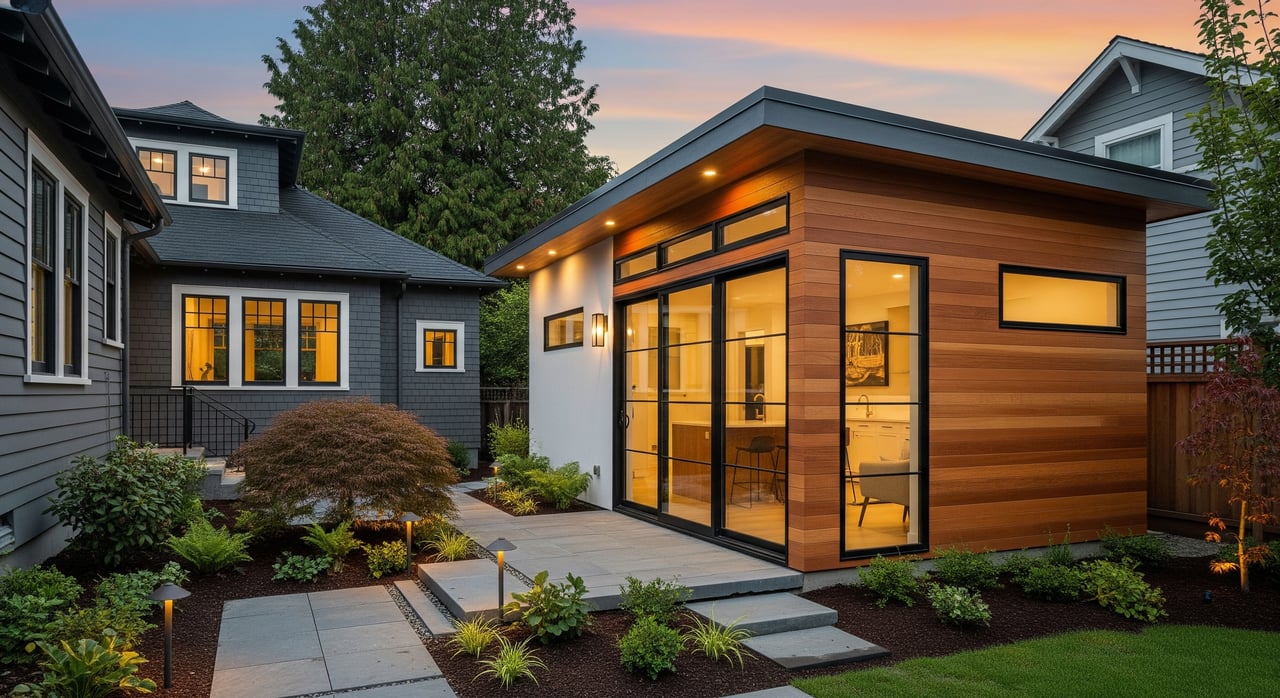
- Detached ADU (DADU). A stand-alone unit in the backyard, sometimes called a backyard cottage.
Wallingford sits inside the City of Seattle. That means Seattle’s land use code, permitting, utility rules, and rental regulations apply.
Seattle rules that apply in Wallingford
Seattle Department of Construction and Inspections (SDCI) administers ADU rules. While details change, here is what to expect and confirm before you start:
- Where ADUs are allowed. Most single-family zones allow at least one accessory unit, and some lots may allow more than one. Verify your parcel’s zoning and current allowances with SDCI.
- Size, height, and placement. Seattle sets maximum size for attached and detached units, plus height limits, setbacks, and lot coverage. These limits affect design and location in the yard. Confirm the latest standards on the SDCI site before you finalize plans.
- Owner-occupancy. Seattle has relaxed owner-occupancy rules in recent years. Check current requirements for your scenario.
- Parking. Many ADUs do not trigger new off-street parking requirements, especially near transit. Confirm current parking rules for your lot.
- Utilities. Coordinate water and sewer connections with Seattle Public Utilities. Plan for connection fees, capacity checks, and whether separate meters are possible or needed.
- Short-term rentals. If you plan to host short-term stays, Seattle requires licensing and has specific limits. Review those rules before you count on short-term income.
- Historic or landmark review. Some properties may fall under historic or landmark oversight, which can affect exterior design and materials. Verify early if this applies to your address.
- Building, energy, and safety codes. Your ADU must meet Seattle Building Code and Washington State Energy Code, including egress and life-safety requirements.
Because code updates happen, always confirm current numeric limits and permitting steps with SDCI before you budget or sign contracts.
Permits and timeline in Seattle
A typical process looks like this:
- Early research. Confirm zoning, lot constraints, trees, slopes, and any historic review.
- Site assessment. Map utilities and plan access for construction.
- Design. Create site plan, floor plans, elevations, and structural details as needed.
- Permit application. Submit building, mechanical, plumbing, and electrical permits to SDCI.
- Utility coordination. Work with Seattle Public Utilities on water and sewer connections.
- Contractor selection. Get multiple bids with clear scopes and timelines.
- Inspections and final. Complete inspections during construction and secure final occupancy.
Typical timing:
- Pre-application and design: about 1 to 3 months.
- Permit review: often 2 to 4 months, longer if corrections are required.
- Construction: about 4 to 9 months for a detached unit, depending on size and site complexity.
From first idea to move-in, many Wallingford projects land in the 6 to 12 months range.
What it costs to build an ADU
Plan your budget in layers: design and engineering, permits and fees, site work and utilities, structure and systems, finishes, and a contingency.
Common cost drivers in Seattle:
- Type of unit. Detached ADUs usually cost more than attached conversions.
- Size and finish level. A studio with basic finishes costs less than a larger unit with premium materials.
- Site complexity. Access, slopes, retaining walls, and tree protection all add cost.
- Utility hookups. Distance to water and sewer and any main upgrades affect budget.
- Labor and materials. Seattle construction costs run above national averages and can shift with market demand.
Typical regional cost ranges for planning:
- Interior conversion or simple attached ADU: tens of thousands up to about $150,000.
- Typical attached ADU or small DADU: roughly $150,000 to $350,000.
- Larger detached ADU with mid to high-end finishes: $250,000 to $500,000 or more.
Also include permit and plan review fees, and any utility connection or inspection fees. Always get at least three detailed local bids and include a 10 to 20 percent contingency for surprises.
How to finance your ADU
Many homeowners use a mix of equity and loans. Options include:
- Cash or savings.
- Home Equity Line of Credit or home equity loan.
- Construction or construction-to-permanent loan.
- Cash-out refinance with a conventional mortgage, subject to lender policies on accessory units.
- FHA 203(k) or similar renovation loans for conversions or rehabs.
- Local incentive or low-interest programs when available through the city or county.
Lender policies on ADUs differ, especially on how they treat projected rental income. Speak with multiple lenders and get pre-approved before you finalize design or bids.
Rental income and ROI in Wallingford
Wallingford is a strong rental market due to its central location and access to amenities and transit. Rents vary with unit size, finish level, and market cycles, but demand for studios and one-bedrooms is often solid.
A simple way to test potential returns:
- Gross rental yield. Annual rent divided by total project cost.
- Net operating income. Annual rent minus operating expenses like maintenance, insurance, property taxes attributable to the ADU, and property management if used.
- Cap rate and cash-on-cash return. NOI relative to cost and cash invested.
Illustrative example:
- Estimated rent: $1,800 per month, or $21,600 per year.
- Assume operating expenses at 30 percent: about $6,480.
- Estimated NOI: about $15,120.
- If project cost is $300,000, simple yield is about 5.0 percent (15,120 divided by 300,000).
This does not include financing costs or vacancy. Actual rents and expenses vary, so run your numbers with current local comps and your lender’s terms.
Taxes and assessment to expect
An ADU is an improvement that increases your assessed value, so property taxes will rise after reassessment. Rental income is taxable, but you can deduct eligible expenses such as depreciation, repairs, interest, insurance, and utilities you pay. Plan ahead with a CPA who understands Washington and federal tax rules for rental property.
Short-term vs long-term renting
- Long-term leases. Often simpler and more predictable for cash flow.
- Short-term rentals. Can produce higher gross revenue but come with higher costs, more management, and specific Seattle licensing and rules. If you are considering short-term use, review Seattle’s short-term rental requirements before you commit.
Risks to plan for
- Cost overruns or delays due to permitting, weather, or subcontractor timing.
- Lower-than-expected rent or longer vacancy in a softer market.
- Higher property taxes and insurance after the ADU is complete.
- Site constraints such as trees, setbacks, or drainage that add complexity.
- Future policy changes that affect short-term rentals or rental rules.
Homeowner checklist
- Confirm zoning and allowable unit count with SDCI for your parcel.
- Get a site survey or stamped site plan showing structures, utilities, trees, and property lines.
- Verify water and sewer service locations and capacity with Seattle Public Utilities and coordinate with Seattle City Light as needed.
- Check for historic or landmark review requirements.
- Set a preliminary budget and secure lender pre-approval.
- Interview design professionals and contractors with Seattle ADU experience. Request itemized bids and timelines.
- Plan for tenant screening, lease terms, and property management if renting.
- Consult a CPA about rental income, depreciation, and taxes.
- Talk with a local real estate agent about resale value and buyer demand for homes with ADUs in Wallingford.
Design choices that boost livability and rent
You improve both utility and desirability with smart design. Focus on natural light, efficient layouts, quality sound insulation, durable flooring, and energy-efficient systems. Balance costs with finishes that wear well and photograph beautifully. In a design-focused neighborhood, a well-presented ADU can attract better tenants and support higher rents.
When an ADU makes sense for resale
ADUs can broaden your buyer pool by appealing to multi-generational living and income-minded buyers. Appraisers may consider comparable sales of homes with ADUs and sometimes factor income potential. In strong markets, the added value can be meaningful. In softer markets, value may align more closely with the income the unit can produce.
Next steps
- Verify your lot’s eligibility with SDCI.
- Sketch your ideal unit size and layout, then price it with two or three contractors.
- Get lender pre-approval and model a range of rents and expenses.
- Map a timeline that fits your goals, whether you aim for rental income, guest space, or long-term flexibility.
If you want a clear plan for value, rent potential, and resale in Wallingford, let’s talk. With a design-forward approach backed by real market data and practical financing tools, you can build the right ADU for your property and your goals. Work with Lizanne Wicklund to get started.
FAQs
What is an ADU in Seattle’s Wallingford neighborhood?
- An ADU is a smaller, independent home on the same lot as your main house, either attached to the home or a detached backyard cottage.
Are ADUs allowed on most Wallingford lots?
- Many single-family lots allow at least one accessory unit, but you should confirm your parcel’s zoning and current rules with SDCI before you begin.
How much does a Wallingford ADU usually cost?
- Planning ranges span from tens of thousands for simple conversions to $250,000 to $500,000 or more for larger detached units, depending on scope and finishes.
How long does ADU permitting and building take in Seattle?
- Many projects run 6 to 12 months from idea to occupancy, including design, permit review, and 4 to 9 months of construction for a detached unit.
Do I need to add off-street parking for an ADU?
- Often no, especially near transit, but parking rules are site-specific. Confirm requirements for your address during early planning.
Can I rent my ADU short-term in Seattle?
- Short-term rentals require city licensing and must meet Seattle’s rules. Review current requirements before you plan on short-term income.