
Winter Staging Tips for Madison Park Sellers
November 27, 2025
November 27, 2025
Is listing your Madison Park home in the gray, rainy months a mistake, or a smart move? Winter can feel like a tougher season to sell, but serious buyers are still out, and they are often on a timeline. With the right staging, your home can feel brighter, warmer, and more memorable than competing listings. Below, you will find practical, Madison Park specific tips to make your home shine in Seattle’s winter. Let’s dive in.
Madison Park buyers value proximity to the lake, views, and walkable amenities. In winter, they are also looking for comfort, light, and low-maintenance living. Inventory is often lower this time of year, which means you may face less competition. The key is to present your home beautifully and price it for the seasonal buyer pool.
Before you set a list date or price, review current local data. Check recent inventory, median sale price, and days on market for your area using NWMLS reports, King County records, or your broker’s latest market analysis. Use the numbers to guide your strategy so your home feels compelling on day one.
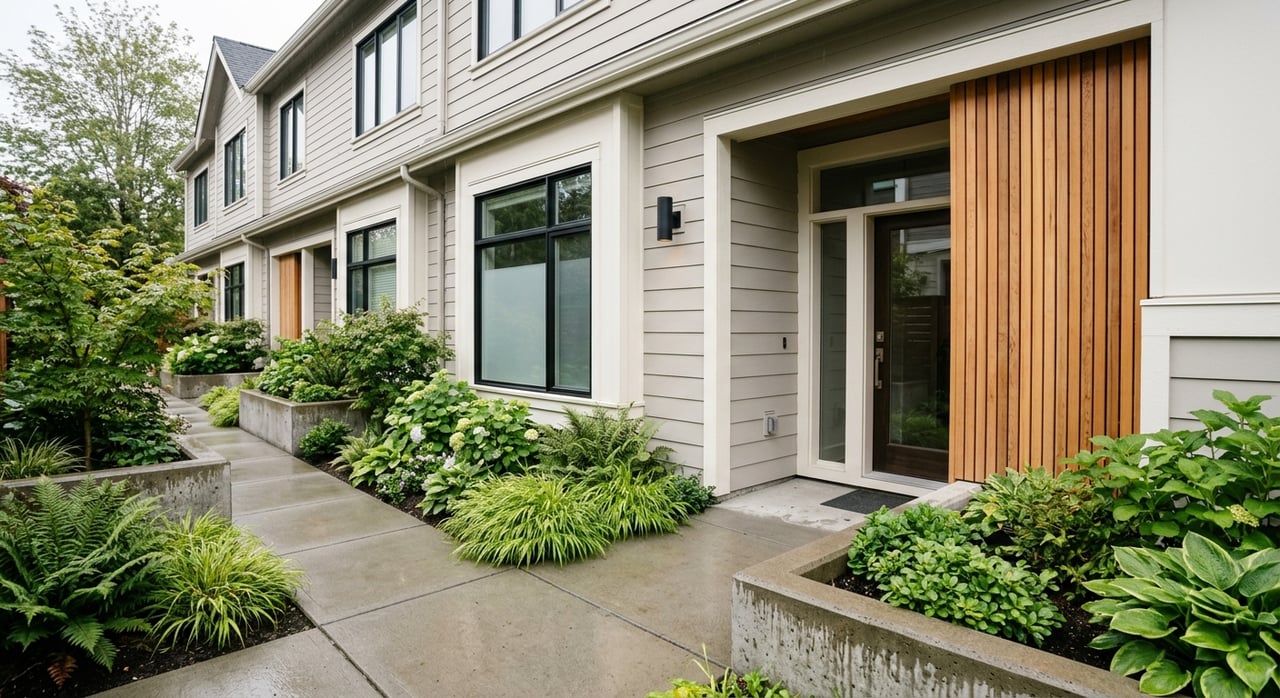
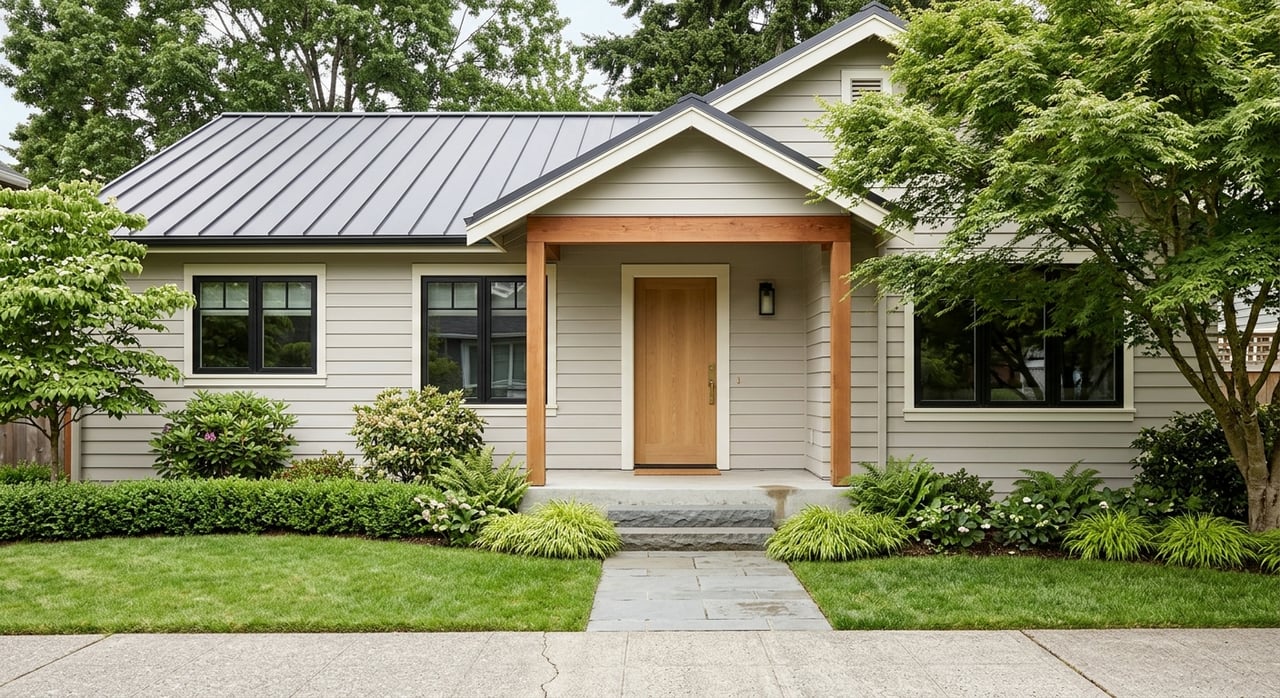
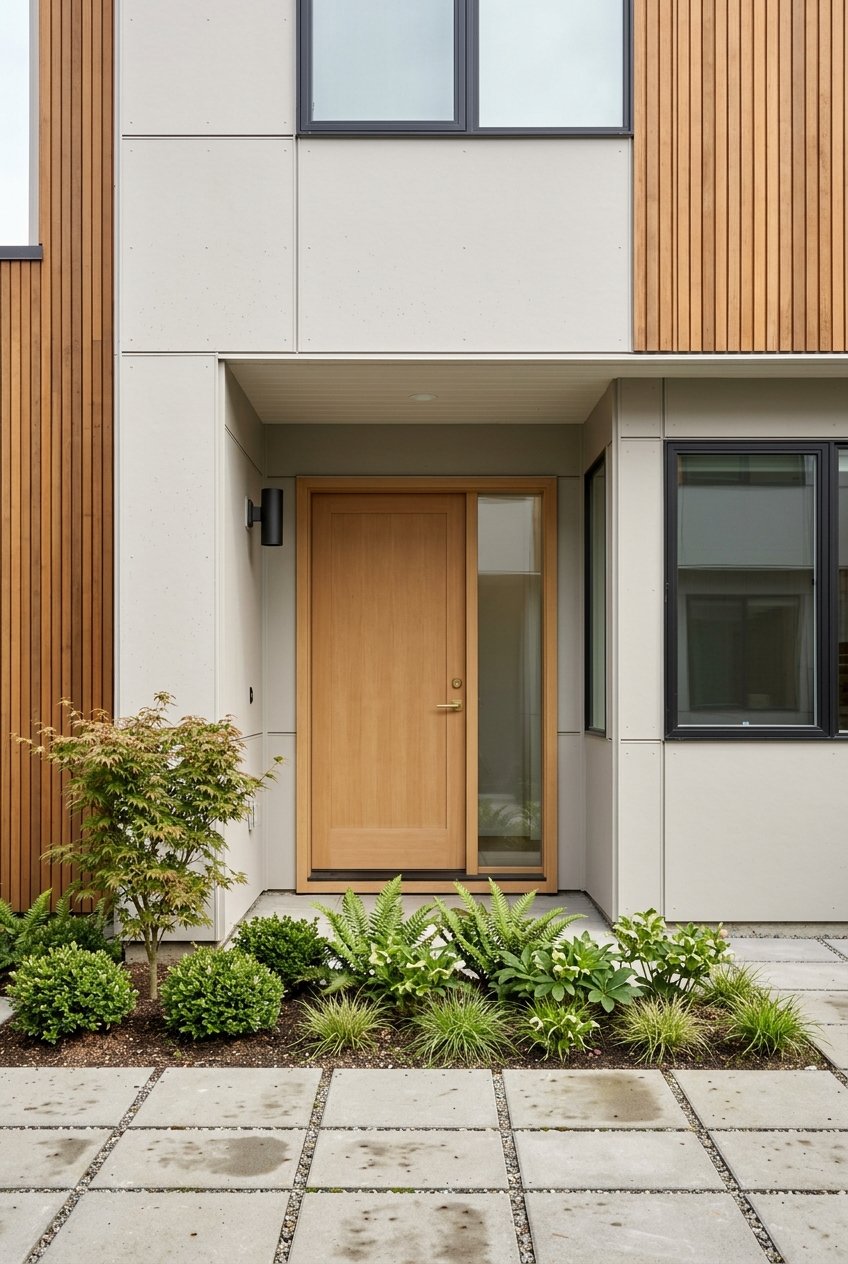
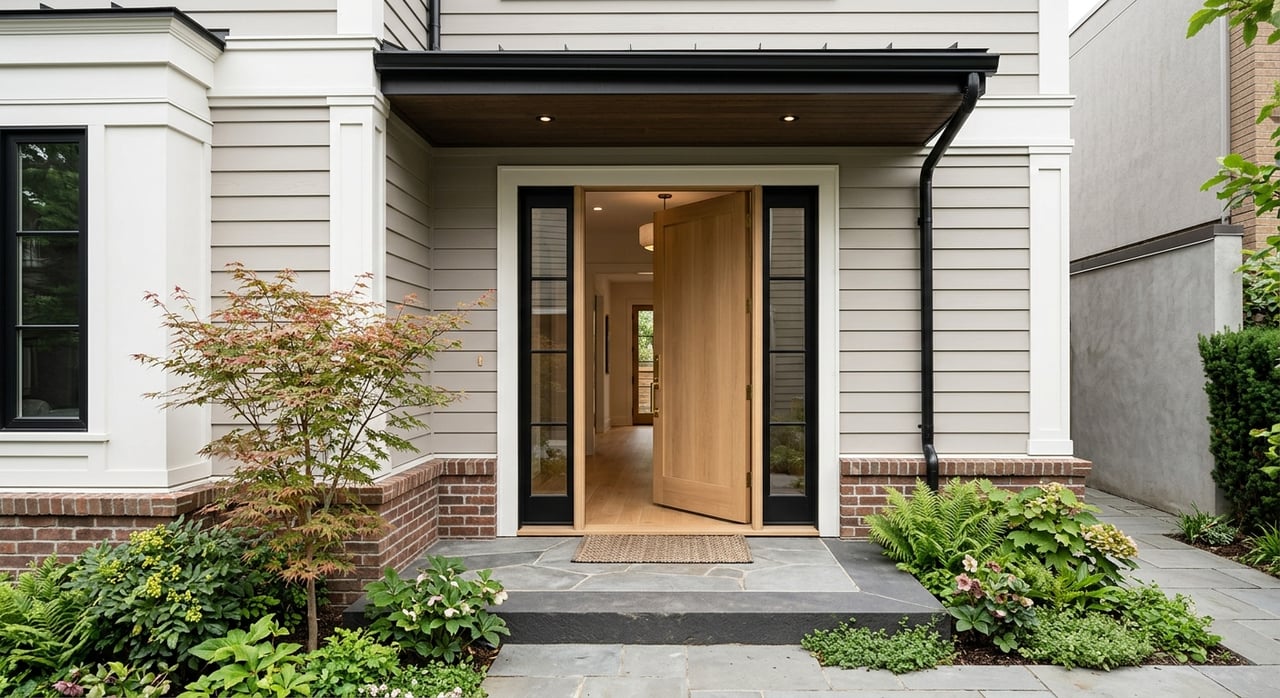
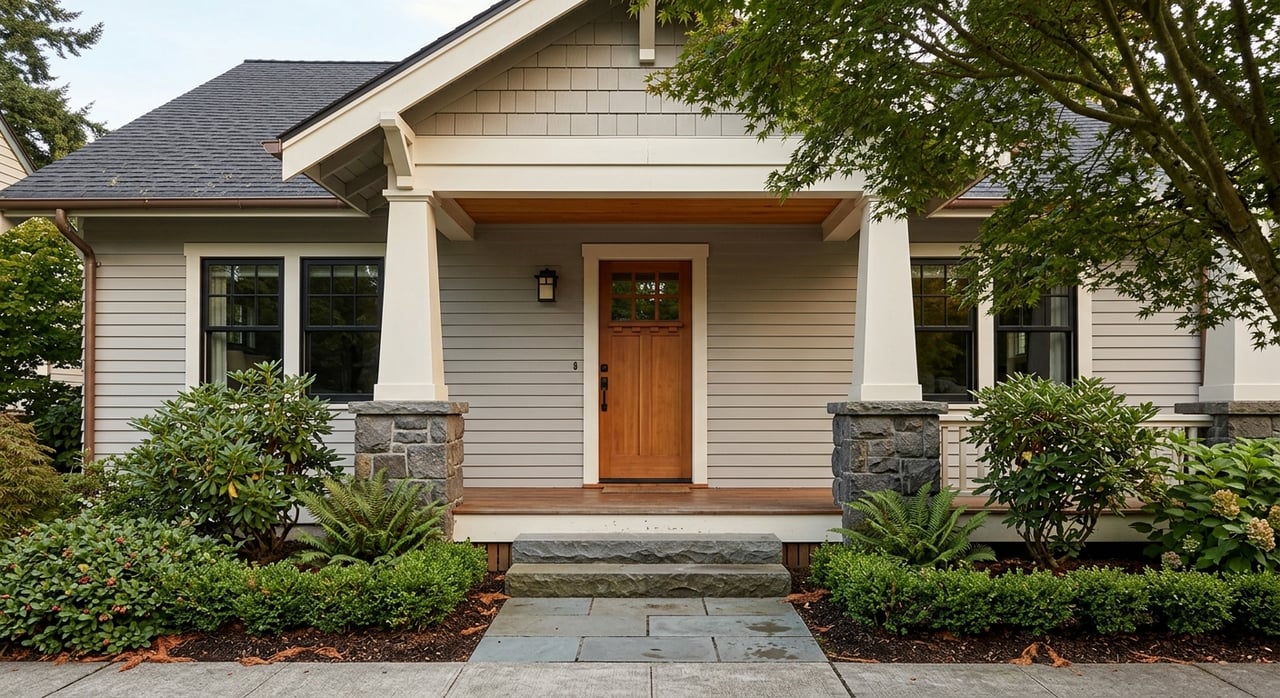
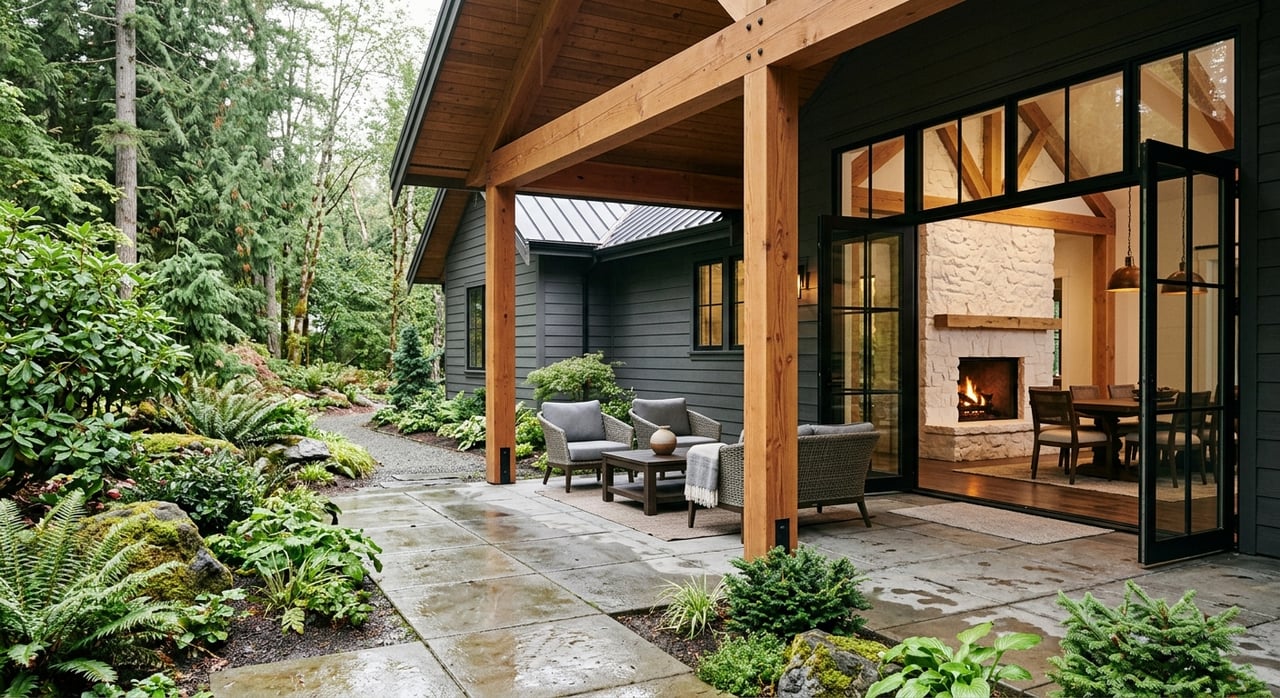
Your front approach sets the tone. Keep walks and steps clear, slip-resistant, and well lit. Remove leaves, moss, and debris, and pressure wash stains before photos and showings. Add a simple welcome mat and a trimmed, neutral door wreath or a seasonal pot with evergreen boughs or ornamental kale for warmth.
Short daylight means showings often happen in dim light. Test porch and pathway lights and replace any burned-out bulbs. Choose warm, bright bulbs to create a welcoming glow. Consider temporary uplighting to highlight architectural lines or specimen trees when the sky is gloomy.
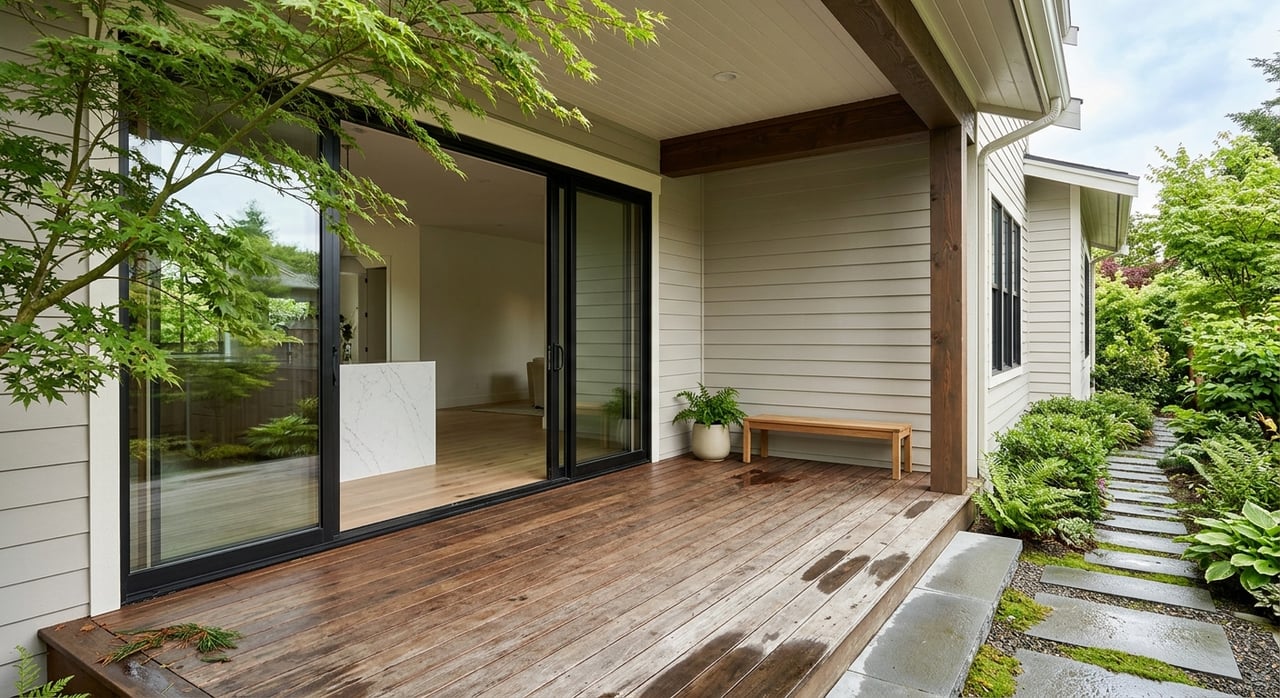
Aim for tidy and low maintenance. Trim dead plant material, edge the lawn, and add evergreen shrubs or potted conifers that look good in winter. If your property is near the shoreline, keep that area neat and free of clutter to show usable outdoor space year-round. Clean windows inside and out so buyers can enjoy any lake or garden views, even on overcast days.
Seattle winters bring rain and wind. Clear gutters and downspouts so buyers do not see overflow or water stains. Touch up exterior paint where needed and make sure house numbers are visible from the street. Clean the garage door and remove cobwebs around exterior fixtures. Small details add up in darker months.
Provide safe, clear access for buyers and agents. If street parking is tight or impacted by weather, include clear showing notes about where to park. In Seattle, confirm open house sign placement rules with the City of Seattle sign code and any neighborhood association or HOA guidelines before you post signage.
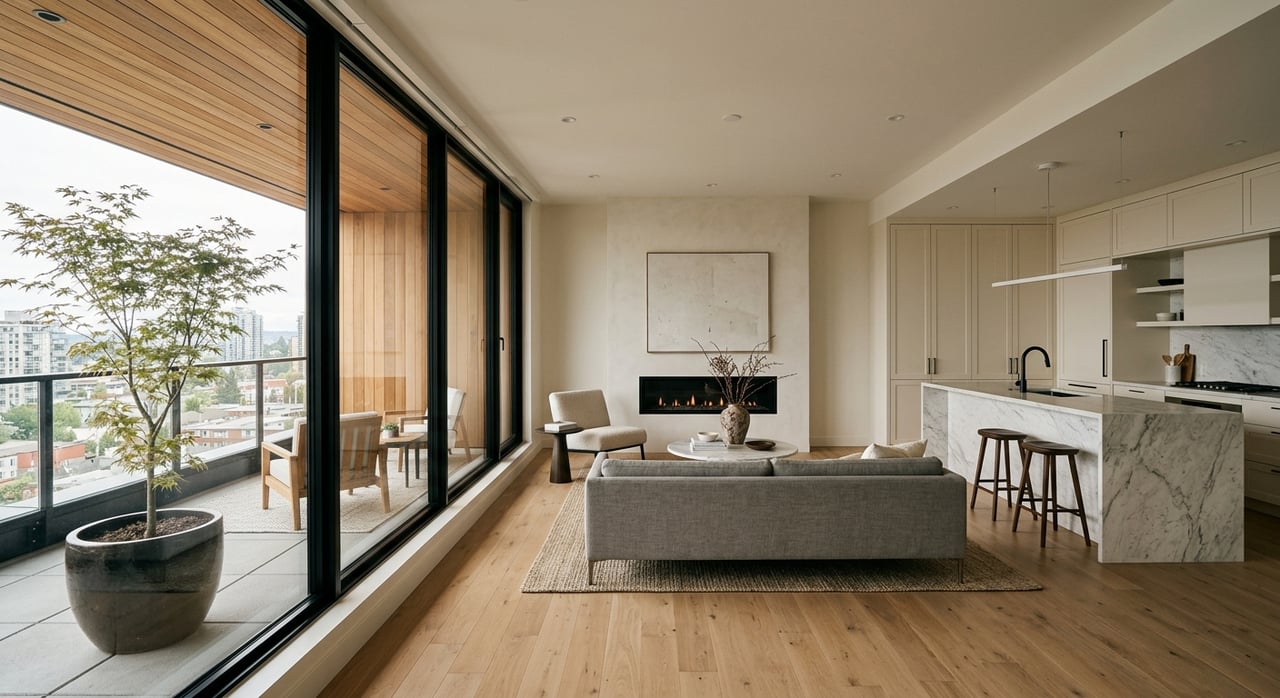
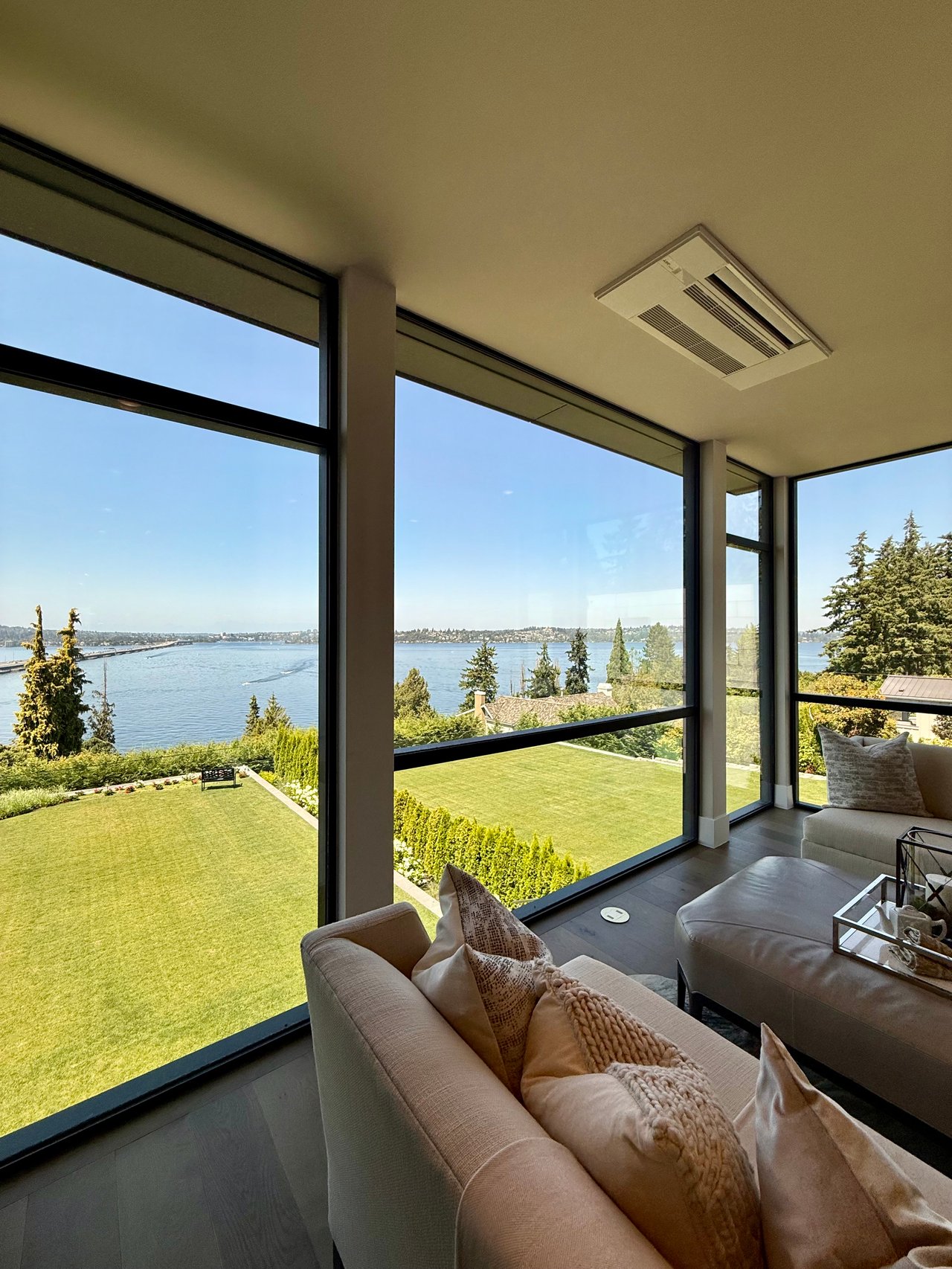
Start with windows. Clean the glass, raise blinds and curtains for showings, and trim any exterior foliage blocking light. Rearrange furniture to keep sightlines open and to frame windows, especially if you have lake or garden views. Fewer, well-scaled pieces help rooms feel larger and brighter in winter.
Use three layers of light: ambient, task, and accent. Add table and floor lamps where needed, and switch to warm white bulbs around 2700 to 3000K to create a cozy mood. Mirrors can reflect light into darker corners and visually expand smaller rooms. Keep paint and large textiles neutral so any accent color feels fresh instead of heavy.
Set the thermostat to a comfortable, consistent level before every showing. Buyers should feel at ease the moment they walk in. If you have a heat pump, updated furnace, or new insulation, highlight it with a simple feature note and have service records available. These upgrades matter when buyers think about winter comfort and costs.
Introduce soft textures with area rugs, throws, and plush towels in bathrooms. Keep colors neutral and avoid heavy holiday props that can date photos. In kitchens and living rooms, limit decor to a few tasteful pieces that add warmth without clutter. Storage is top of mind in winter, so declutter closets and mudrooms to show ample space for coats, shoes, and gear.
Address moisture before showings. Run dehumidifiers where needed, fix minor leaks, and ventilate bathrooms and laundry areas. Avoid strong seasonal fragrances, which can feel overpowering. Aim for a subtle, clean scent or simply fresh air. If a basement has ever felt musty, dry it out well in advance and add bright lighting to boost buyers’ confidence.
Make sure entryways and staircases are clear and well lit. Provide a boot tray and umbrella stand so visitors can remove wet items at the door. If your home is older, consider highlighting recent upgrades that speak to winter readiness, such as electrical updates, drainage work, or a new roof. Buyers notice these details during rainy season.
Winter listings live online first, so your imagery must be strong. Schedule photos on the sunniest day available. Interior shots should have all lights on and blinds open. An experienced real estate photographer can balance darker exteriors and bright windows with HDR or exposure bracketing. Spotlight inviting elements like a well-lit kitchen, a serene primary suite, a classic Craftsman fireplace, or a lake view.
Make it easy for buyers to tour from home during bad weather. A 3D walkthrough and accurate floor plan help buyers understand scale and flow. Use simple, descriptive captions that set expectations about the seasonality of photos. For example, noting that landscaping is primarily evergreen helps buyers imagine the yard year-round.
Offer flexible showing windows so agents can work around weather. Set a welcoming scene at the door with a mat, boot tray, and umbrella stand. Use temporary runners on high-traffic floors if needed. Appointment-only showings can help keep the home pristine and allow you to reset lighting and decor between visits.
Washington state requires disclosure of known material defects and certain environmental conditions. Be ready to document any history of basement or crawl space water intrusion, drainage or erosion concerns, or floodplain details, especially for homes near the shoreline. If your property is in a mapped flood zone or has had seasonal water issues, consult King County resources and incorporate the correct disclosures. Clear, early disclosure builds trust and reduces surprises during inspection.
A strong winter listing starts with thoughtful design and sharp execution. Lizanne pairs a narrative-driven approach to presentation with premium media, including professional photography, video, and strategic staging guidance. The goal is simple. Your home should feel brighter, warmer, and more livable than anything else a buyer sees this season.
You also get practical help to remove friction. Windermere’s READY program can help finance pre-list improvements and staging. The Bridge Loan option can solve timing gaps if you need to buy before you sell. Combined with local micro-market expertise in Madison Park and surrounding neighborhoods, you get a polished, low-stress process and a listing that stands out when daylight is short.
If you are weighing whether to list now or wait for spring, start with your home’s story, condition, and the latest neighborhood data. When the presentation is dialed in and the pricing reflects current demand, a winter listing in Madison Park can be a strategic advantage.
Ready to make your home shine this season? Reach out to Lizanne Wicklund to plan your winter-ready listing strategy.
Stay up to date on the latest real estate trends.
With an early career in design, marketing, and corporate partnerships at Seattle’s top firms, Lizanne brings a sharp, creative edge to residential real estate. She combines expert negotiation with data-driven marketing to deliver seamless results. Whether finding your dream home in Seattle or the Eastside's most coveted neighborhoods—or maximizing value for your property—Lizanne provides unparalleled service backed by Windermere, the region’s most trusted brokerage.
Let me know how I can assist you.