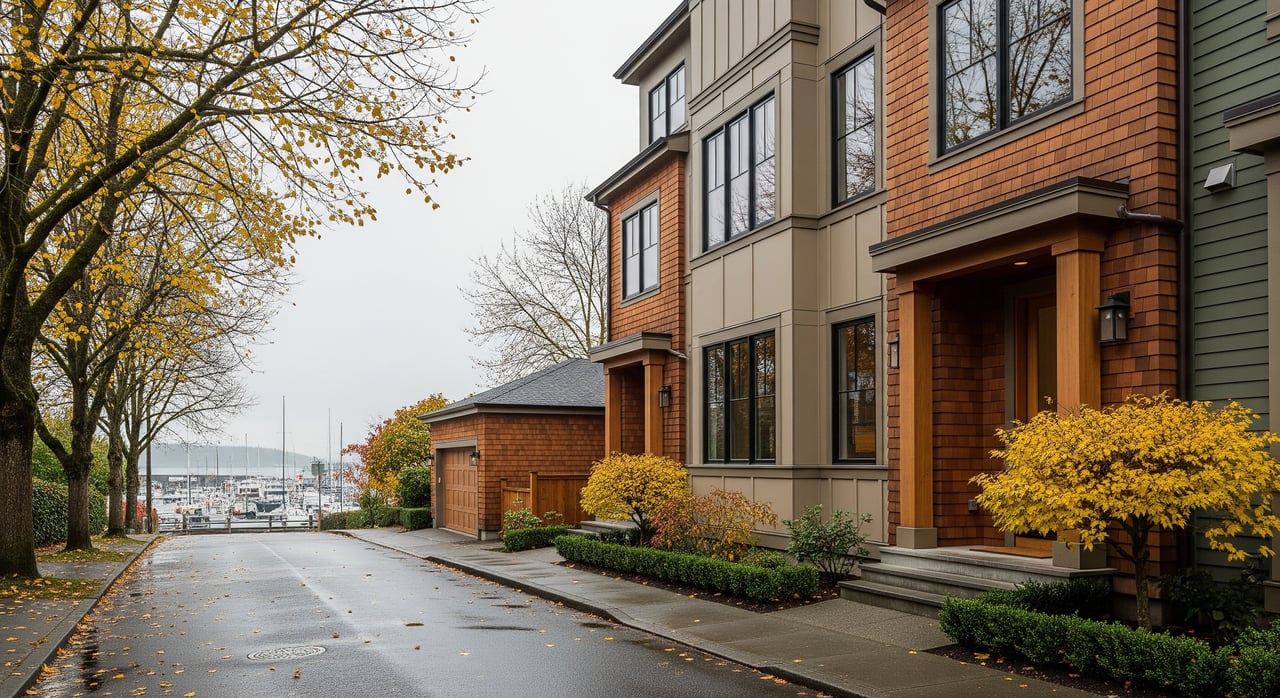
Ballard Seasonality: Prices and Timing
December 25, 2025
December 25, 2025
Is your timing costing you money in Ballard? If you are planning a move, knowing when buyers are most active and when listings are scarce can shape your price, speed, and stress level. You want a clear plan that fits the neighborhood’s rhythm, your property type, and today’s rate climate. In this guide, you will learn how Ballard’s seasonal cycle works, what metrics to watch, and practical timing strategies for both sellers and buyers. Let’s dive in.
Ballard generally follows the Seattle pattern. Activity ramps up in early spring, often peaking in late spring to early summer, then cools into late fall and winter. More listings hit the market as the weather improves, and buyer traffic increases with longer daylight and easier showing conditions.
Single-family homes tend to show stronger seasonality than condos. Houses often see the biggest surge in March through June, with faster market times and stronger pricing. Condos and lower-priced homes can be busy year-round, but they also see a lift in spring. New construction follows project timelines more than the calendar.
Seattle’s mild winters keep deals moving in every month, though November through February usually slows. Holidays and shorter days reduce showings, while summer neighborhood energy can boost curb appeal and casual foot traffic.
To read Ballard’s seasonality, track these data points month by month and compare year over year:
If you are reviewing charts, use rolling 12-month views or year-over-year comparisons for each month. That helps you separate normal seasonality from short-term noise.
The strongest window for sellers typically appears in early spring. March through May often brings more showings, more qualified buyers, and shorter days on market. That dynamic can support a higher sale-to-list price ratio when your pricing and presentation are on point.
If you want to maximize price, aim to launch in that early spring window. Get the prep done ahead of time so you can hit the market as buyers ramp up. For single-family homes, the late spring window can be especially active as many buyers line up closings during better weather and longer days.
If you need to sell in late fall or winter, plan for decisive pricing and standout presentation. Bright, professional photography and thoughtful staging can make your home feel vibrant when daylight is limited. Be prepared for a potentially longer market time and negotiate with clarity.
If you want the most choice, late spring to early summer usually offers the broadest selection. You will see more listings across price bands and more variety in style and condition. The trade-off is more competition and faster decision timelines.
If your goal is negotiation leverage, look at late fall through winter. Inventory is thinner, but active listings may face fewer competing buyers. You may see price reductions, seller-paid closing costs, or flexibility on terms.
Rates matter in every season. If mortgage rates shift quickly, timing your purchase around financing can matter more than the month. Keep your pre-approval current so you can move when the right home appears.
Single-family homes typically show sharper seasonal swings. Expect the most buyer traffic in March through June and quicker absorption when weather improves. Pricing power often aligns with that spring wave.
Condos can be more balanced across the year. Investor activity, building-specific releases, and HOA timelines can smooth the cycle. You may still see a spring bump in showings, but opportunities also pop up in late summer and winter.
If you are shopping new construction, your best timing depends on project release dates and builder incentives. Some developers launch sales in spring or fall, then adjust pricing as buildings near completion.
Ballard’s ongoing infill can change the equation in certain price bands. New townhomes or condo deliveries may add supply at specific times, easing competition temporarily. That effect can mute seasonality for those segments.
Buyers who plan around the school calendar often aim to close in late spring or early summer. This can increase demand for single-family homes during those months. In contrast, late fall and winter can open opportunities for buyers who value terms and price over timing.
Employment changes across Seattle can influence buyer urgency in Ballard, given its proximity to major job centers. Transit news and street improvements can also spark short-term interest, especially on blocks near planned routes or upgrades.
Summer events, farmers markets, and neighborhood energy help curb appeal. Listings show their best side with vibrant streets, which can improve showing traffic in June through August.
You face three levers in any season: price, speed, and certainty. You typically maximize two and flex the third. Here is how to think about it:
Your strategy should reflect which lever matters most and what the current Ballard data shows.
Seasonality gives you the framework. Presentation and financing make it work for your situation. In a high-attention spring launch, best-in-class media and staging help you convert showings into strong offers. In quieter months, standout visuals and clear disclosures can be the difference between a quick sale and a price cut.
If you need to buy before you sell, bridge financing can remove timing stress so you do not have to accept a discount to rush your listing. If your home needs updates to shine in photos, a concierge-style prep program can fund and organize improvements that support a stronger price.
You deserve a calm, well-orchestrated move that aligns with Ballard’s seasonal patterns and your goals. Whether you are aiming for a top-of-market spring sale, a strategic winter purchase, or a buy-sell sequence that requires smart financing, thoughtful planning can help you capture the upside and lower risk. If you are ready to map the right month, the right price, and the right prep, connect with Lizanne Wicklund to get started.
Stay up to date on the latest real estate trends.

With an early career in design, marketing, and corporate partnerships at Seattle’s top firms, Lizanne brings a sharp, creative edge to residential real estate. She combines expert negotiation with data-driven marketing to deliver seamless results. Whether finding your dream home in Seattle or the Eastside's most coveted neighborhoods—or maximizing value for your property—Lizanne provides unparalleled service backed by Windermere, the region’s most trusted brokerage.
Let me know how I can assist you.