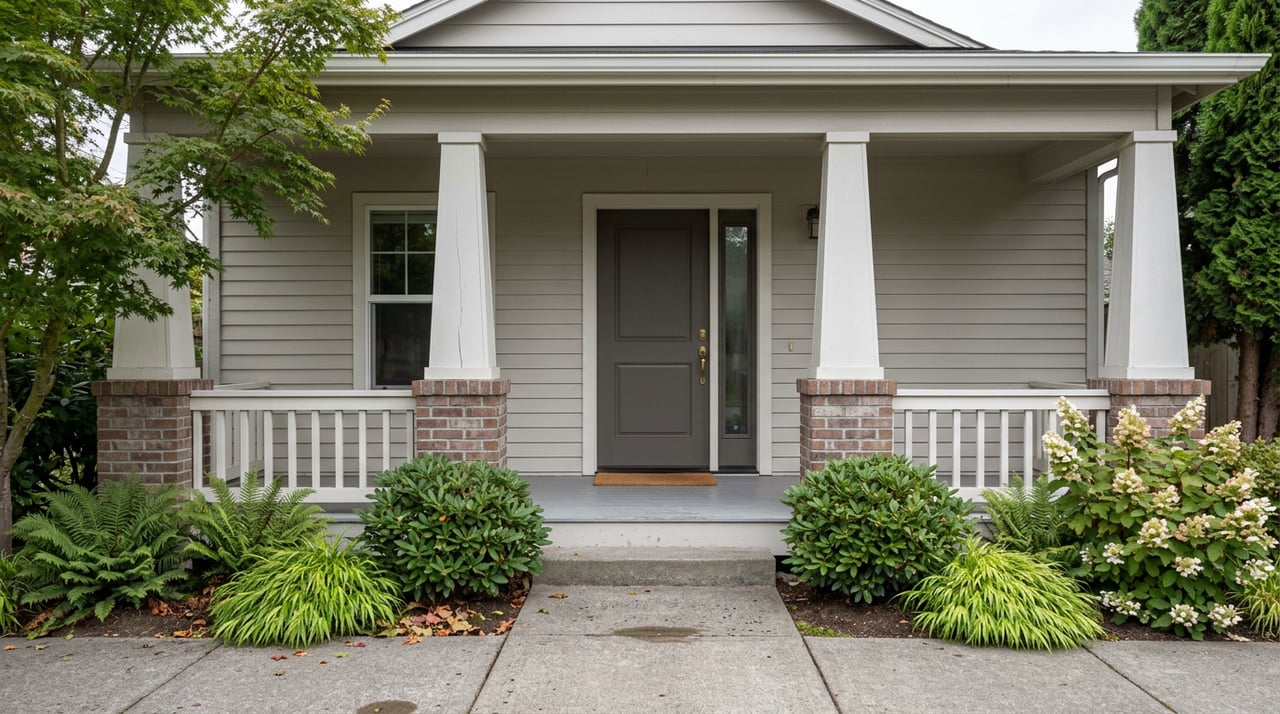
Found the perfect Magnolia home before yours is even on the market? You are not alone. In a tight, design-forward neighborhood like Magnolia, the right property can appear fast and attract strong offers. A bridge loan can help you buy first, then sell on your timeline without moving twice. In this guide, you will learn how bridge financing works in King County, what it costs, the risks to plan for, and smart alternatives, so you can decide with confidence. Let’s dive in.
What is a bridge loan
A bridge loan is short-term financing that helps you cover the gap between buying your next home and selling your current one. Terms typically run 6 to 12 months, and many products offer interest-only payments during the term. The loan is usually secured by your current home, the new home, or both. Rates and fees are generally higher than a traditional first mortgage, and the principal is repaid when your current home sells or rolled into longer-term financing if your lender offers that option.
How buy-before-you-sell works
Here is the typical flow. You use equity in your current Magnolia home to fund the down payment and closing costs on the new property. You close on the new home, move in, and then list your current home for sale. When your current home sells, the sale proceeds pay off the bridge loan and any remaining mortgage balance on the property you sold.
Some lenders structure bridge loans to convert to a permanent mortgage once your sale closes, while others require payoff at closing. Your lender will outline the exact payoff process and timing in writing.
Why it fits Magnolia
Magnolia is a well-established neighborhood with periods of limited inventory and homes that attract strong interest. In competitive conditions, buyers often write clean offers that avoid home-sale contingencies to stand out. If you want to act quickly on a property that fits your lifestyle, a bridge loan can give you the speed and certainty to compete. Many Magnolia homeowners also have meaningful equity, which can support a buy-first strategy when used thoughtfully.
Seasonal patterns can matter too. Spring and summer often bring more listings and buyer activity in the Seattle area, which can influence timing. Pair your financing plan with a listing strategy that suits current neighborhood conditions.
Costs and fees to expect
Bridge loans carry a short-term premium. Plan for the following costs:
- Interest charges that are typically higher than long-term mortgage rates. Many products offer interest-only payments during the term.
- Origination fees or points, plus standard closing costs similar to a mortgage closing.
- Possible prepayment or payoff fees tied to how and when the loan is repaid.
- Carrying costs if you hold two housing payments for a period. You may be paying interest on the bridge loan plus payments on your new mortgage and, in some cases, continuing payments on the existing mortgage until payoff.
Get multiple written estimates and a Loan Estimate from each lender so you can compare total costs and repayment terms side by side.
Qualification and underwriting
Lenders will review your credit score, debt-to-income ratio, and available equity in your current home. Because you may carry two housing obligations at once, qualifying ratios matter. Common structures include a bridge secured only by your current home, a cross-collateralized bridge secured by both the current and new property, or a structure where the lender pays off your existing mortgage at the time you close on the new loan.
Some lenders require proof of a clear plan to sell, such as a listing agreement and pricing strategy. Ask how the lender will treat the bridge loan in your debt-to-income calculation and whether they can underwrite based on anticipated sale proceeds.
Timeline and checklist
Here is a practical Magnolia-focused checklist to keep you organized:
- Estimate usable equity. Pull recent comparable sales or order an appraisal to understand your current home’s value relative to your mortgage balance.
- Compare financing options. Speak with lenders about a bridge loan, a HELOC, and any portfolio or jumbo options. Request written term sheets and timelines.
- Run best and worst cases. Model multiple sale timelines and prices so you know your carrying costs if the sale takes longer than expected.
- Prepare your Magnolia listing. Align pricing, staging, and marketing to minimize days on market. If applicable, plan updates that improve presentation and speed.
- Coordinate escrow details. Ensure title and escrow have exact payoff instructions for the bridge and any existing mortgage.
- Build reserves. Set aside funds to cover 3 to 6 months of potential overlap, including interest and housing expenses.
- Confirm closing costs. Include Washington state real estate excise tax, commissions, escrow and title fees, and any payoff fees in your net sheet.
Risks and how to mitigate
- Carrying cost risk. If your current home takes longer to sell, you pay more months of interest and housing costs. Mitigation: maintain cash reserves and price your home strategically based on current Magnolia comps.
- Qualification risk. The bridge loan and new mortgage could stretch your debt-to-income ratio. Mitigation: have your lender pre-underwrite both loans and structure the bridge with clear payoff terms.
- Market risk. A shift in prices or longer days on market can reduce sale proceeds. Mitigation: review up-to-date Magnolia data before you commit and adjust strategy quickly if traffic signals a price change.
- Closing complexity. Escrow delays or title issues can affect payoff timing. Mitigation: use an escrow officer experienced in simultaneous payoffs and confirm written instructions early.
- Liquidity risk. Unexpected repairs or price reductions can tighten cash. Mitigation: hold contingency funds and consider a backup financing option if needed.
Alternatives to bridge loans
- Home-sale contingency. Low cost if accepted, but often not competitive in fast-moving Seattle-area situations.
- Contingency with a kick-out clause or sale-by date. More flexible than a standard contingency and sometimes acceptable with tight timelines.
- HELOC on your current home. Often lower fees and rates than a bridge loan, but it still affects debt-to-income and can have variable rates.
- Cash from savings or family. No loan fees, but be sure to document terms and repayment.
- Sell first and rent temporarily. Eliminates overlap risk, but adds a move and may slow your purchase timeline.
- Simultaneous close. Back-to-back closings use sale proceeds to fund the purchase on the same day. Requires precise escrow coordination.
- Portfolio or jumbo options. Some lenders can underwrite the new loan while treating your existing mortgage as contingent, depending on program guidelines.
The right option depends on your equity, timing, and risk tolerance. Compare written terms for total cost, flexibility, and speed.
Local closing costs in King County
When you sell in Washington, the real estate excise tax is typically paid at closing by the seller. Rates vary by price tier and jurisdiction, so confirm the current calculation with your title company or escrow officer. Plan for real estate commissions, title and escrow fees, payoff of any existing liens, inspection-related repairs, prorations, and any bridge loan payoff or reconveyance fees. Confirm these line items in your net proceeds estimate so your bridge payoff is fully covered.
Your Magnolia support team
- Mortgage lender experienced with bridge financing in King County who can outline costs, timing, and underwriting treatment of your current mortgage.
- A Magnolia-focused real estate agent who knows neighborhood comps, pricing strategy, and how to write competitive offers without a sale contingency when needed.
- Title and escrow professionals who handle simultaneous payoffs and clear written instructions.
- A tax advisor or CPA to discuss potential deductibility of interest and the tax impact of closing costs.
- A real estate attorney for cross-collateralized or complex structures, if your situation warrants it.
As a design-minded, full-service broker backed by Windermere, Lizanne pairs high-impact listing presentation with practical tools like Windermere’s Bridge Loan and the READY program for property preparation. The goal is to maximize your sale price, minimize time on market, and streamline the buy-before-you-sell timeline.
Next steps
- Start with a conversation about your equity, timeline, and desired Magnolia properties.
- Gather term sheets for a bridge loan and any alternatives, then compare total costs and flexibility.
- Align your listing preparation, staging, and marketing so your current home shows beautifully and sells on schedule.
- Coordinate escrow and payoff details early to reduce friction at closing.
When you are ready to explore a buy-before-you-sell plan tailored to Magnolia, connect with Lizanne Wicklund to map your options and timing.
FAQs
How a bridge loan affects mortgage approval
- Lenders often count bridge loan obligations in your debt-to-income ratio or require documentation showing planned payoff from sale proceeds. Ask your lender how they will underwrite both loans.
Equity requirements for a bridge loan in Magnolia
- Requirements vary by lender, but most expect meaningful equity and may limit combined loan-to-value. Request a lender estimate based on your mortgage balance and current home value.
What happens if my Magnolia home does not sell quickly
- You may need to extend the bridge term, refinance into longer-term financing, adjust pricing, or use reserves to cover additional months. Build a contingency plan with your lender upfront.
Are bridge loan interest payments tax deductible
- It depends on how funds are used and current tax law. Interest may be deductible if proceeds are used to buy or substantially improve a qualified home. Consult a tax professional for guidance.
How long it takes to get a bridge loan in King County
- Timelines are similar to mortgage underwriting and can take a few weeks depending on complexity, appraisals, and documentation. Coordinate this with your purchase and sale escrows.
HELOC versus bridge loan for Magnolia buyers
- A HELOC often offers lower fees and rates, but it can affect debt-to-income and may have variable rates. A bridge loan can provide faster, purpose-built funding for a purchase without a sale contingency. Compare written terms for speed, cost, and flexibility.