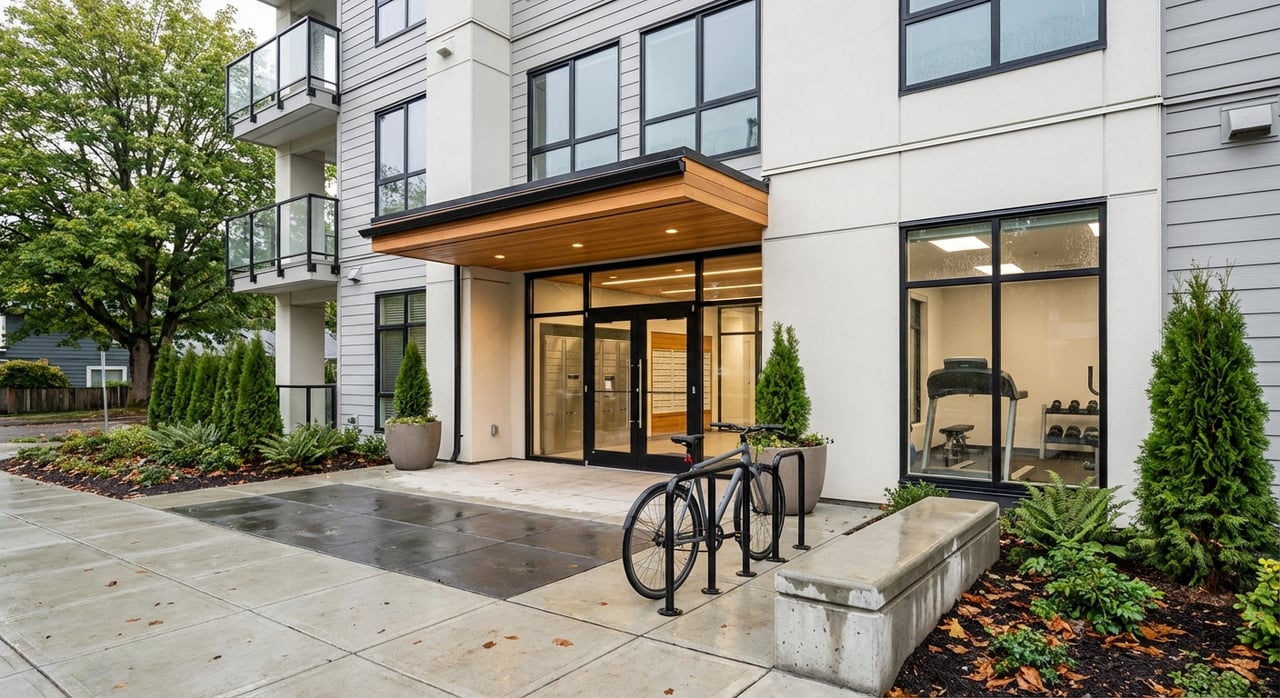
Bellevue Condo Living Guide for Seattle Professionals
February 19, 2026
February 19, 2026
You cross the lake for work, but your lifestyle is still tied to Seattle. If you are weighing a move to a Bellevue condo, you want walkability, a predictable commute, and confidence that the numbers pencil. This guide gives you a clear picture of neighborhoods, transit, condo types, HOA rules, and value drivers so you can decide with certainty. Let’s dive in.
Bellevue delivers a city feel with Eastside convenience. Downtown’s towers, parks, and restaurants create a compact, walkable core that feels close to an urban Seattle lifestyle. Outside the core, you will find quieter pockets with quick access to light rail and major employers.
On price, the Eastside sits at the higher end of the region. Coverage of the Northwest MLS shows King County condo medians kept pace with 2024 levels and that high-end condo activity continues to concentrate on the Eastside. When you compare numbers, note the source and definition. Citywide measures often include all housing types, while MLS medians can be condo-only and submarket specific. For county-level context and 2025 trends, review the NWMLS annual market report coverage. Local news also tracks condo medians and movement across Seattle and the Eastside; see this Seattle Times overview of first-time buyer conditions.
This is Bellevue’s most walkable district, with restaurants, retail, parks, and high-rise condos in a compact grid. Expect short walks to lunch, a quick gym run, and weekend errands without a car. Citywide walkability is moderate, but downtown pockets post strong scores; compare neighborhoods using Walk Score’s Bellevue breakdown.
If you want a smaller-scale street scene, Old Bellevue on Main Street pairs boutique shops and restaurants with access to the lakefront at Meydenbauer Bay. It has a relaxed feel within minutes of the downtown core. Explore the area’s vibe through Visit Bellevue’s Main Street overview.
These mixed-use areas are evolving around the East Link 2 Line, adding offices, housing, and retail next to new stations. If rail access is high on your list, these neighborhoods can offer a strong balance of convenience and price.
Each neighborhood offers a different trade-off of commute, price point, and amenities. Use the City of Bellevue’s neighborhood profiles to compare parks, local services, and planned development.
The Sound Transit 2 Line opened its initial Eastside segment in April 2024 with phased service. Additional connections to Seattle have followed a staged schedule. Before you place a bet on a station, confirm the current pattern and end-to-end times for your route. Start with Sound Transit’s update, Light rail opens on the Eastside.
Bus service shifts when rail segments open. Express routes and local feeders are often reorganized to connect with stations. Check route-level changes in Sound Transit’s East King County service plan.
If you drive, I‑90, SR 520, and I‑405 are your primary corridors. SR 520 and some express lanes use dynamic tolling that changes by time and traffic. Budget for tolls, parking, and HOV/express-lane access as part of your monthly cost. You can review state tolling rules and pay-by-mail details in the Washington Administrative Code filing. For the most accurate picture, test your commute at the actual times you travel.
In downtown Bellevue, newer high-rise towers deliver concierge services, fitness centers, owners’ lounges, rooftop decks, secure parking, and package rooms. Many include earthquake coverage in the building’s master policy and are adding EV charging. These amenities provide daily convenience, yet they are a key reason HOA dues are higher in the core.
Older mid-rise and low-rise buildings in areas like Wilburton, Factoria, and Crossroads tend to offer simpler amenity sets and lower monthly dues. You may trade a longer walk for a lower fee and a quieter setting.
Across the market, buyer priorities include flexible floor plans for work-from-home, private outdoor space, secure parking, and EV readiness. Ask whether chargers are deeded, assigned, or on a waitlist and whether the HOA is planning future upgrades.
HOA dues materially change your monthly cost and long-term value. In Bellevue, older smaller buildings often show dues in the low hundreds per month, while some luxury towers exceed 1,000 dollars per month due to extensive services. Always verify which utilities and services are included and which are extra.
In Washington, condo governance and assessments are set by state law. Review the association’s common expense and assessment framework under RCW 64.34.360 and insurance requirements under RCW 64.34.352. Before you commit, request and read:
Meeting minutes can surface upcoming capital projects or special assessments. For an investor lens on rules and costs, see this Washington real estate investment guide. Red flags include frequent special assessments, litigation, underfunded reserves, opaque rental clauses, and rapidly rising dues.
Bellevue benefits from proximity to major Eastside employers and transit investment. NWMLS commentary shows sustained demand for higher-end condos on the Eastside, which supports the downtown and station-area towers. For a county-level view of trends, see the 2025 NWMLS market wrap-up. Transit-oriented development around the 2 Line is likely to increase walkability and support values near stations, as outlined in Sound Transit’s East Link opening.
Balance that with near-term risks. New projects and condo conversions can add supply and pressure resale pricing. The market is sensitive to mortgage rates, which influence inventory and concessions. HOA governance quality also matters; a well-funded, transparent association can support resale confidence, while governance issues can weigh on value.
Confirm whether you are looking at citywide home values, condo-only medians, or submarket stats. Always label the source and month so you are not mixing apples and oranges.
Request the budget, reserve study, recent minutes, insurance declarations, CC&Rs, and rental rules. Washington’s condo act outlines assessments and governance under RCW 64.34.360.
List included utilities and services, such as hot water, gas, concierge, package room, and earthquake insurance. Note any extra monthly building fees for parking or storage.
Ride the 2 Line if it fits your route and check bus connections after service changes. If you drive, time both SR 520 and I‑90, including tolls and parking. Start with Sound Transit’s Eastside opening details.
Is your stall deeded or assigned. Are there EV chargers in place or planned. Ask about capacity, costs, and waitlists.
Map your daily needs: parks, grocery, coffee, takeout, gym, and the nearest station. Use Walk Score’s Bellevue map to compare a few addresses.
Look at the building’s recent sales and nearby towers for price per square foot, days on market, and concessions. Use current MLS data for the cleanest comps and trend checks, then frame them against the NWMLS county overview.
Confirm rental caps, wait periods, and any short-term restrictions. Note that investor rules vary by building and can change with a board vote.
Scan minutes and the reserve study for elevator work, façade repairs, and seismic items. Clarify whether projects are funded or likely to trigger a special assessment.
Add property taxes, HOA dues, utilities not covered, parking, and tolls. For parcel-level tax data, use the King County Assessor. For toll details, reference the state toll rules.
You deserve a smooth, well-researched purchase. With a design-forward eye and deep Seattle-to-Eastside market knowledge, we help you target the right buildings, pressure test commute options, and read HOA documents for both risk and lifestyle fit. If timing is tight, Windermere programs like READY and the Bridge Loan can help you prepare, fund, and bridge between homes while we manage the details.
If you are ready to compare buildings, map your commute, and sharpen your numbers, let’s talk. Work with Lizanne Wicklund to move with clarity and confidence.
Stay up to date on the latest real estate trends.

With an early career in design, marketing, and corporate partnerships at Seattle’s top firms, Lizanne brings a sharp, creative edge to residential real estate. She combines expert negotiation with data-driven marketing to deliver seamless results. Whether finding your dream home in Seattle or the Eastside's most coveted neighborhoods—or maximizing value for your property—Lizanne provides unparalleled service backed by Windermere, the region’s most trusted brokerage.
Let me know how I can assist you.