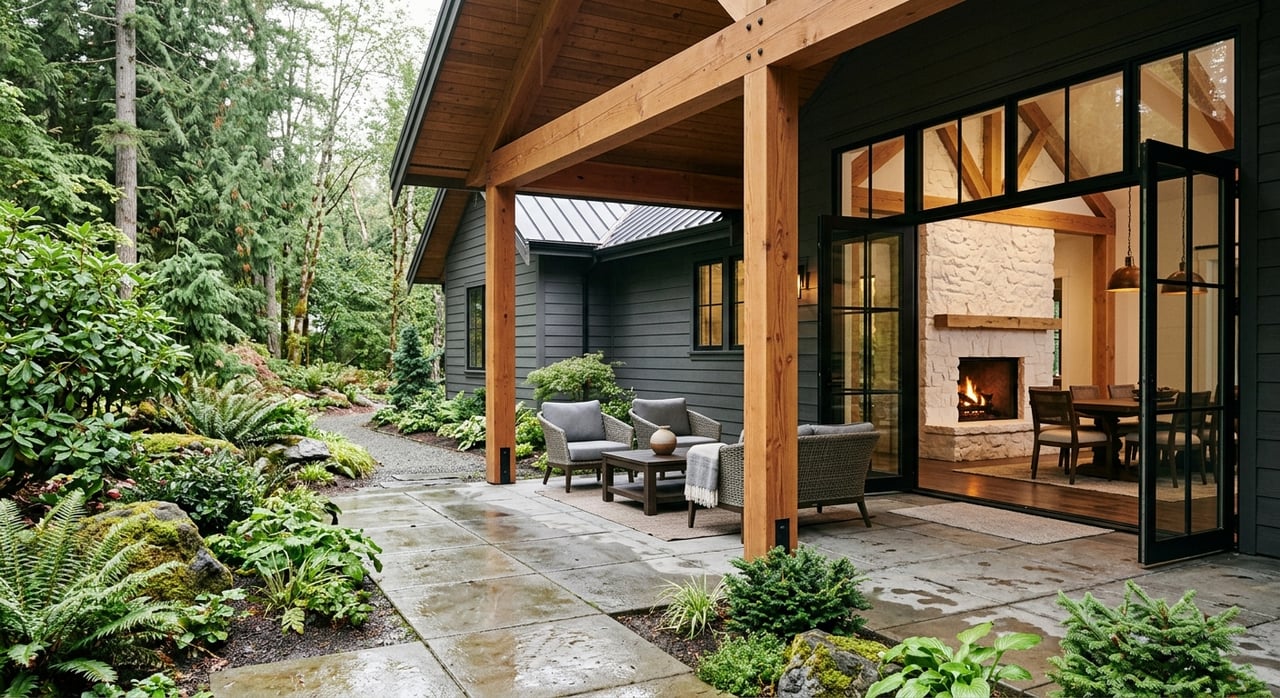
Living the Magnolia Discovery Park Lifestyle in Seattle
March 26, 2026
March 26, 2026
What happens when Seattle’s largest park is right in your backyard? In Magnolia, Discovery Park does more than provide views. It shapes how you move through your week, where you meet friends, and the kinds of homes that feel like the right fit. If you are weighing a home in Magnolia, understanding the park’s pull can help you match your lifestyle with the right micro-neighborhood. In this guide, you’ll learn how the park factors into routines, access, and real estate tradeoffs so you can buy or sell with clarity. Let’s dive in.
Discovery Park anchors Magnolia with roughly 560 acres of beaches, bluffs, meadows, and forest, plus the West Point Lighthouse and the Fort Lawton historic area. The park is open daily from 4:30 a.m. to 11 p.m., with three main parking lots and signed trailheads throughout. You can confirm hours, parking locations, and current notices on the official park page from Seattle Parks & Recreation.
The signature Loop Trail is 2.8 miles and takes about 1 to 1.5 hours at a comfortable walking pace. It connects to shorter paths like South Beach, North Beach, Hidden Valley, and Wolf Tree. Surfaces vary from crushed rock to dirt, and some routes include stairs or steeper grades. For route lengths, travel times, and a printable map, use the Friends of Discovery Park trail guide.
If you run, the 2.8-mile Loop is an easy default for consistent training. You can add detours toward North Beach or South Beach for a longer workout and bluff viewpoints for cool-down moments. Many residents set a morning or evening rhythm around this reliable, well-marked circuit.
For quick outings, the Wolf Tree or Hidden Valley trails deliver 20 to 40 minutes of forest time. Surfaces change by season, so choose routes that fit your group, stroller type, and comfort with stairs or mud. Having those options a short drive or walk away makes spontaneous nature breaks part of your normal week.
North Beach and South Beach host classic low-tide explorations and sunset strolls. On lower tides, it can be possible to connect shoreline walks with a closer view of the West Point Lighthouse. Always follow beach signage and posted rules. Dogs are not allowed on public swimming or wading beaches under Seattle Municipal Code, so plan dog-friendly routes on allowed, signed trails instead.
Bluff viewpoints often deliver seal sightings and, in some seasons, whales offshore. Birders track migrations across the park’s meadows, forest, and beaches, with hundreds of species recorded. If you like the idea of a quick birding stop after school pickup or a sunrise watch above the Sound, check noted viewing spots on the Friends of Discovery Park map.
You will find three general parking lots: North Lot near Illinois Ave and Texas Way, East Lot at Discovery Park Blvd and 36th Ave W, and South Lot off 43rd Ave W and W Emerson St. Beach-level parking is restricted to ADA placards or permits during normal Visitor Center operations. The Visitor Center is currently closed for repairs, and the City has noted it cannot issue beach parking permits during the closure. Seasonal weekend shuttles sometimes run in summer between lots and the beach. For current details, use the Seattle Parks Discovery Park page.
Magnolia is a peninsula with limited bridge access. Buses serve the neighborhood, but many households rely on a car for groceries, commutes, and park logistics, especially on busy weekends. For a neighborhood overview and geography, see the Magnolia reference page.
Trail conditions change across the park. The Loop is mostly walkable and stroller-friendly in sections but is not fully ADA-compliant due to uneven or steeper segments. The North and South Beach trails include stairs and can be muddy in winter. The Friends trail guide is a helpful tool for picking routes that match your group’s needs.
If daily trail time is a priority, this pocket places you closest to the North Lot, Daybreak Star Indian Cultural Center, and many northern trailheads. You can head out for a loop run, then grab a quick neighborhood coffee before work. Weekdays feel especially calm on the trails here, and there are smaller parks and schools throughout the area.
Homes near the bluff lean into water, lighthouse, and Olympic Mountain views. Life here centers on sunsets, wildlife, and beachtime when conditions allow. Access to the shoreline often means steeper trails or stairs, which is a tradeoff that pairs well with weekend retreats and slower, scenic walks. Explore the lighthouse and shoreline context on the official park page.
If you want a neighborhood feel with walkable shops, cafes, services, and the seasonal farmers market, the Village is your hub. From here, many residents still make regular park visits, though it can be a slightly longer or hillier walk to trailheads depending on your exact block. For local events and the business directory, check the Discover Magnolia site.
This area tilts suburban in feel with good street access toward the southern shoreline and Magnolia Park, plus relatively quick drives into Discovery Park. For buyers who want a quieter pocket with straightforward road access and routine park visits, it is a practical middle ground.
Pro tip: Walking times vary widely because Magnolia’s streets can be steep. When you evaluate a home, use concrete markers like “two blocks from the East Lot” rather than assuming a set number of minutes.
For current park operations, beach access, and projects, rely on the Seattle Parks Discovery Park page.
Magnolia remains a competitive market. Brokerage data reported a neighborhood median sale price of about $1.18 million as of February 2026. While numbers shift month to month, strong demand for park-proximate homes is a consistent theme.
If you prioritize immediate nature access or expansive views, expect to pay a premium for bluff-side or trail-adjacent properties. Buyers often weigh privacy and views against practical factors like parking demand, steeper access roads, and coastal weather exposure. Some shoreline or low-lying pockets can also carry moderate flood or maintenance considerations, so insurance and upkeep planning are part of the conversation.
Families often look for a balance between park time and daily routines around Magnolia’s public schools, field trips, and after-school outdoor time. Proximity to trailheads can turn quick nature breaks into a regular part of your week, which is a major quality-of-life benefit.
If you are exploring Magnolia with a move in mind, you deserve thoughtful guidance that blends neighborhood nuance with design-forward strategy. To map the right micro-area and weigh view, access, and value, reach out to Lizanne Wicklund.
Stay up to date on the latest real estate trends.
With an early career in design, marketing, and corporate partnerships at Seattle’s top firms, Lizanne brings a sharp, creative edge to residential real estate. She combines expert negotiation with data-driven marketing to deliver seamless results. Whether finding your dream home in Seattle or the Eastside's most coveted neighborhoods—or maximizing value for your property—Lizanne provides unparalleled service backed by Windermere, the region’s most trusted brokerage.
Let me know how I can assist you.