Capitol Hill Seattle Home Selling Strategy for a Fast Sale
May 21, 2026
May 21, 2026
If you want to sell quickly in Capitol Hill, it is tempting to assume the market will do all the work for you. But in a neighborhood this varied, speed comes from strategy, not luck. When you understand how Capitol Hill’s micro-markets, housing types, and buyer expectations really work, you can launch with more confidence and less friction. Let’s dive in.
Capitol Hill sits in one of Seattle’s most urban, transit-connected environments. Seattle’s Office of Planning and Community Development describes the First Hill and Capitol Hill Regional Center as a dense urban hub next to Downtown and South Lake Union, where many residents can walk, bike, or use transit for work and daily errands. Redfin also highlights a Walk Score of 93 and access to light rail and bus routes.
That urban context helps explain why well-positioned listings can still attract strong attention. Redfin’s March 2026 data reported a median sale price of $958,000, a broader median days on market of 62, and noted that some homes receive multiple offers and go pending in around 15 days. Realtor.com’s March 2026 neighborhood data showed a median listing price near $799,900, median days on market of 36, and a sale-to-list ratio of 100%.
Those numbers do not tell one simple story. Instead, they suggest a market where some homes move quickly while others take longer, depending on pricing, condition, property type, and exact location within Capitol Hill. For you as a seller, that means a strong launch still matters.
One of the biggest mistakes a seller can make is treating Capitol Hill like a single price band. It is not. Realtor.com’s neighborhood breakdown shows notable differences across the area, with median listing prices around $582,500 in Broadway, about $1.1965 million in Stevens, and roughly $3.795 million in Denny Blaine.
That spread is why broad neighborhood averages can be misleading. Your pricing strategy should reflect your specific pocket, your property type, and your home’s condition. A condo near transit, a restored early-1900s house, and a luxury property in an upper-tier pocket are not competing for the same buyers.
This is where local micro-market knowledge becomes especially valuable. A focused pricing plan can help you avoid the two outcomes sellers want to skip: leaving money on the table or sitting too long while buyers question the price.
Capitol Hill has a mixed housing inventory, and each category behaves differently. Redfin’s condo page recently showed 63 condos for sale in Capitol Hill with a median listing price around $415,000, while the broader neighborhood includes condos, townhomes, multi-family properties, and houses.
If you are selling a condo, your buyer is often reviewing not just the home itself but also the association’s financial and operational picture. If you are selling a detached home, especially an older one, buyers may focus more heavily on condition, maintenance history, and any updates or system improvements.
That means your prep plan should fit your property type. In Capitol Hill, one-size-fits-all selling advice usually falls short.
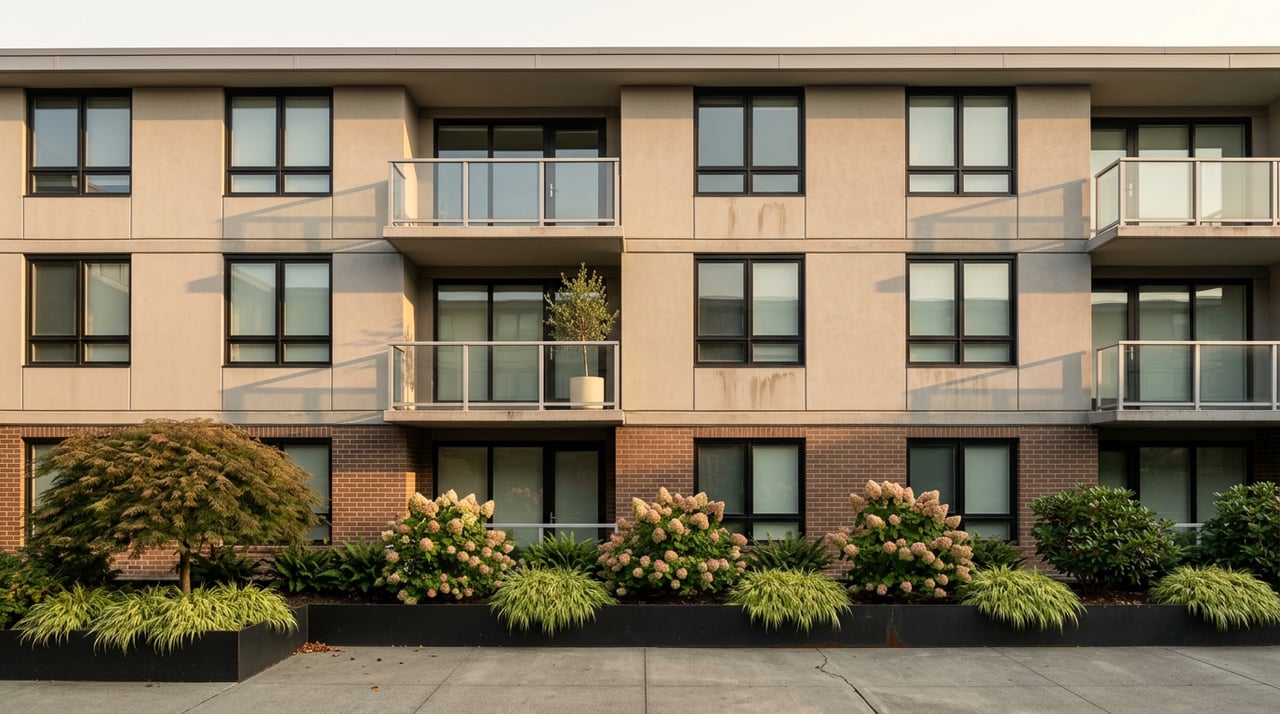
Capitol Hill is known for older housing stock with real architectural character. Seattle’s historical record for Capitol Hill notes American Foursquare, or “Seattle Box,” homes built largely between 1905 and 1910. The Harvard-Belmont Landmark District also reflects the neighborhood’s early-twentieth-century residential fabric, with both larger estates and more modest houses from that period.
If you own a home with original details, that character can be a major selling point. Features like leaded glass, recessed porches, and other period elements can help your home stand out when they are presented clearly in photography and during showings.
At the same time, buyers are likely to look closely at maintenance and condition. Older homes can create emotional appeal, but practical questions still matter. A clear maintenance history and organized prep can help reduce hesitation.
If your property is located within the Harvard-Belmont Landmark District or another Seattle historic district, there is another layer to consider. Seattle notes that visible exterior changes, additions, new construction, and major site work in historic districts generally require a Certificate of Approval before permits are issued.
This matters even if you are selling now and not planning work yourself. Buyers may ask what they can change in the future, and those answers can affect their confidence and expectations. Bringing that information into the conversation early can help avoid surprises later.
In a fast market, clarity is a real advantage. The more buyers understand about the home and its setting, the easier it is for them to move forward decisively.
For Capitol Hill condo sellers, document readiness is a major part of the playbook. Under Washington law, a resale certificate is required before contract execution or conveyance, and that certificate can include important details such as monthly assessments, special assessments, anticipated repairs, and reserve study status.
Washington law also states that associations must provide the resale certificate within 10 days after request and may charge a reasonable fee up to $275. Because buyers often review these materials carefully, waiting too long to request them can create delays at exactly the wrong moment.
If you are aiming for a smooth launch, this is one of the simplest ways to reduce friction. Early preparation can make your listing feel more complete and more trustworthy from day one.
Washington sellers of improved residential property generally must deliver the completed disclosure statement within five business days after mutual acceptance. Buyers generally then have three business days after receipt to rescind. If you learn new information before closing, the disclosure may need to be amended unless the issue is corrected at least three business days before closing.
That timeline is one reason pre-list preparation matters so much in Capitol Hill. For older homes and condos especially, a pre-listing inspection and document cleanup can help you identify issues before a buyer does. It can also make your disclosures more complete and your transaction less reactive.
Fast sales often come from fewer surprises, not more urgency. When the paperwork and property details are organized upfront, buyers tend to feel more comfortable making strong offers.
Capitol Hill’s setting gives you useful clues about how to present your home. Seattle’s OPCD describes the area as a dense, transit-rich urban center that skews younger, with more adults in their 20s and 30s and fewer households with children. In a neighborhood like this, staging should support how buyers may imagine daily life.
That usually means emphasizing features that feel useful and immediate. Focus on natural light, flexible work-from-home space, smart storage, clear circulation, and any connection to private outdoor areas. The goal is to help buyers quickly understand how the home fits an urban lifestyle.
For architecturally distinctive homes, the best presentation often comes from restraint. Instead of covering original details with heavy styling, let the home’s identity lead. Thoughtful photography, clean staging, and strong visual storytelling can make period charm or refined design feel both aspirational and livable.
Even in an active market, pricing remains one of your most important decisions. NWMLS reported that King County had about three months of inventory in April 2026, which still placed the county in seller’s market territory. At the same time, active listings were up 23.5% month over month, and the county median sales price declined from $907,000 in April 2025 to $859,000 in April 2026.
For you, that means buyers may have more choices than they did before. Capitol Hill can absolutely support a fast sale, but only when the list price matches the right submarket and the home’s true position within it.
A well-priced listing invites action. An aspirational listing can invite hesitation, price reductions, and a longer time on market. In a neighborhood where some homes go quickly and others do not, accurate pricing is often what separates the two.
Redfin describes Capitol Hill as very competitive and notes that many homes receive multiple offers, with some buyers waiving contingencies. At the same time, the broader March 2026 data still showed a 62-day median days on market. That combination suggests sellers should prepare for a range of outcomes rather than assume every listing will follow the same path.
A smart listing strategy often includes a short but realistic offer-review window. That gives buyers enough time to act while preserving momentum. It also gives you room to compare terms carefully instead of focusing only on headline price.
Strong offers can differ in meaningful ways. Timing, financing strength, contingencies, and document readiness all shape how smooth your path to closing will be.
A fast sale still needs a practical closing checklist. In Washington, the Department of Revenue says real estate excise tax is usually paid by the seller. That cost should be part of your planning from the start.
This is an easy detail to overlook when the conversation centers on price and marketing. But your net proceeds depend on more than your sale price alone. A complete strategy looks at both market positioning and the costs attached to closing.
The most effective Capitol Hill selling plan usually comes down to three things: price accurately, prepare early, and present the home with intention. In this neighborhood, buyers respond to lifestyle fit, design clarity, and confidence in the details.
That is especially true when your home has standout architecture, a condo document package, or a location within a distinct Capitol Hill pocket. When all of those pieces come together, your listing is better positioned to move quickly and cleanly.
If you are thinking about selling in Capitol Hill, the right strategy is not just about moving fast. It is about launching in a way that supports a stronger result with less stress. To build a design-forward, data-backed plan for your sale, connect with Lizanne Wicklund.
Stay up to date on the latest real estate trends.

With an early career in design, marketing, and corporate partnerships at Seattle’s top firms, Lizanne brings a sharp, creative edge to residential real estate. She combines expert negotiation with data-driven marketing to deliver seamless results. Whether finding your dream home in Seattle or the Eastside's most coveted neighborhoods—or maximizing value for your property—Lizanne provides unparalleled service backed by Windermere, the region’s most trusted brokerage.
Let me know how I can assist you.