Wallingford vs Green Lake Homes: Find Your Best Fit
June 11, 2026
June 11, 2026
Choosing between Wallingford and Green Lake can feel harder than it looks on a map. These two North Seattle neighborhoods sit close together, but they shape everyday life in very different ways. If you are trying to decide where your next home should be, the right answer often comes down to how you want your days to flow, what kind of streetscape feels right, and which amenities you will actually use. Let’s dive in.
Wallingford and Green Lake often show up in the same home search, and for good reason. Both offer strong access to North Seattle amenities, established residential streets, and connections to the rest of the city.
The difference is what each neighborhood centers around. Wallingford is organized more around its commercial core near N 45th Street and Wallingford Avenue N, while Green Lake is organized around the lake and park system that define its layout and daily rhythm.
The best neighborhood for you is usually the one that supports your real life, not just your weekend wish list. Think about where you grab coffee, how often you walk or bike, whether you want a park to anchor your week, and how much you value nearby shopping and services.
Wallingford tends to suit buyers who want neighborhood commerce, a classic residential feel, and easy access to trail connections. Green Lake tends to suit buyers who want the park to be the main event and do not mind the added activity that comes with a major destination.
Wallingford is anchored by the N 45th Street and Wallingford Avenue N commercial node, which gives the neighborhood a strong center of gravity. If you like the idea of being close to shops, everyday services, and a familiar neighborhood business district, that can be a major plus.
You also get easy connections to outdoor amenities without the neighborhood feeling entirely park-driven. The Wallingford Steps link N 34th Street to the Burke-Gilman Trail and Gas Works Park, which adds a practical layer to daily recreation.
Green Lake is the more park-centered choice. The neighborhood is shaped by Green Lake Park, and that influence shows up in both the physical layout and the lifestyle.
Seattle Parks describes Green Lake Park as a major urban park with a 2.8-mile inner loop, beaches, a boat launch, play areas, sports fields, restrooms, fishing piers, and surrounding shops and restaurants. If you want walking the lake loop or spending time by the water to become part of your regular routine, Green Lake delivers that in a very direct way.
For many buyers, the decision comes down to architecture and street character just as much as location. These neighborhoods have different visual identities, even when home prices and search areas overlap.
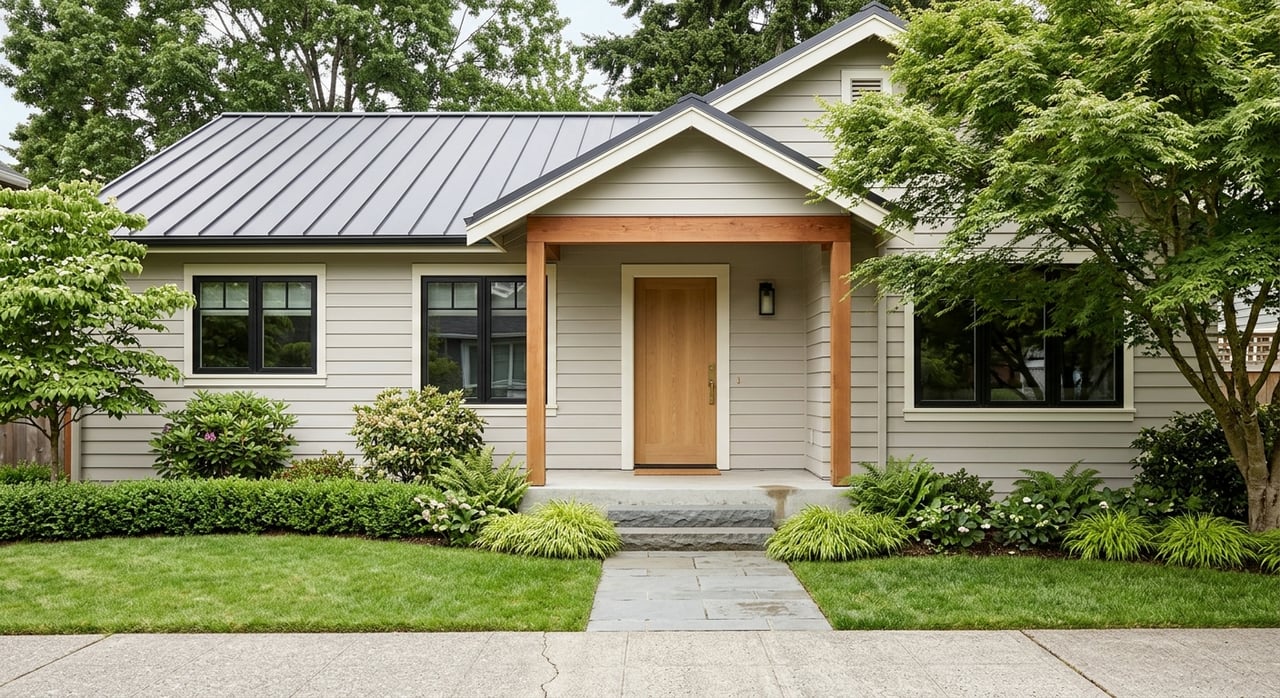
Wallingford is known for its bungalow-heavy residential fabric. City design guidance describes the American bungalow as a major feature of the neighborhood’s architectural character, and planning materials place the neighborhood center around the plateau at N 45th Street and Wallingford Avenue N.
That said, Wallingford is not frozen in time. Recent neighborhood feedback also notes newer condos and townhouses, especially near main corridors, which creates a mix of older homes, selective infill, and mixed-use blocks.
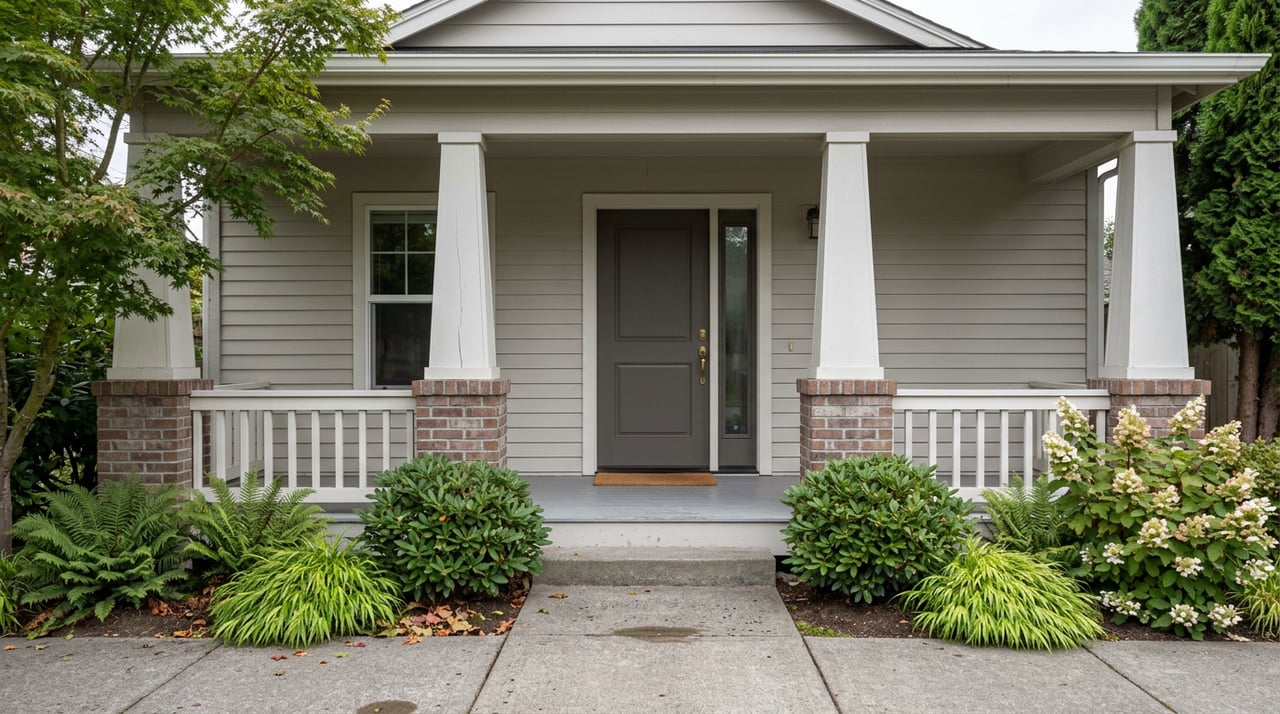
Green Lake is described in city design guidelines as primarily made up of single-family homes built in the early 1900s, with a strong stock of Craftsman-style houses. The neighborhood also includes small commercial areas and abundant pedestrian accommodations.
Because the park shapes the neighborhood, the street pattern feels different too. The design guidelines note that the lake creates curved and discontinuous streets, so Green Lake often feels less like a standard grid and more like a place formed around the shoreline.
Amenities matter most when they support how you actually live. Both neighborhoods offer outdoor access and walkable conveniences, but the mix is not the same.
Wallingford offers smaller neighborhood-scale amenities with strong nearby trail connections. Wallingford Playfield includes soccer fields, tennis courts, a play area, and a wading pool, while the Wallingford Branch Library adds a practical, walkable civic amenity along N 45th Street.
One notable detail is that Wallingford does not have a community center, according to the neighborhood planning summary. For some buyers, that may not matter. For others, it may shape how they think about community gathering spaces and recreation.
Green Lake has a broader park-centered amenity base. In addition to the park itself, the neighborhood includes the Green Lake Community Center on the east side of the park.
The Green Lake Branch Library also reopened in 2024 after a seismic retrofit and renovation, adding another updated public amenity near the lake. If you want your neighborhood life to orbit around a large public park with multiple ways to spend time outdoors, Green Lake stands out.
If you commute regularly or prefer to move around without always driving, both neighborhoods have useful connections. King County Metro Route 62 directly links downtown Seattle, South Lake Union, Wallingford, Green Lake, and Sand Point, so both areas have a straightforward bus connection to central Seattle destinations.
Seattle has also completed paving and multimodal improvements serving both Green Lake and Wallingford, including protected bike-lane segments and safety upgrades. SDOT is continuing work on Wallingford Healthy Street improvements and the Green Lake Outer Loop project to make walking and biking more comfortable.
Wallingford feedback highlights several strengths, including a vibrant business district and good transit, pedestrian, and bicycle connections. For buyers who want mobility options alongside a neighborhood commercial core, that can be a strong combination.
The tradeoffs include parking pressure, cut-through traffic, and concerns near Aurora and I-5. If you are sensitive to traffic patterns or want a quieter feel in every pocket of the neighborhood, it is worth looking block by block.
Green Lake offers strong appeal for walking and recreation, but the neighborhood also comes with its own friction points. Feedback has highlighted parking and traffic frustration, pedestrian-safety concerns, and complaints that transit service is lacking, even as park improvements remain a major draw.
Visitor traffic is an important part of the Green Lake experience. If you love the energy of a destination park, that may feel like a fair trade. If you want a lower-activity environment, you may notice the difference.
The most useful question is not which neighborhood is better. It is which one better supports your version of daily life.
If you picture mornings near a shopping corridor, easy access to the Burke-Gilman Trail and Gas Works Park, and residential streets with many bungalows, Wallingford may be the stronger fit. If you picture the lake loop, a large park as your go-to amenity, and a neighborhood shaped by water and recreation, Green Lake may feel more aligned.
If you are torn, try comparing the two neighborhoods through a few practical filters:
Sometimes the right answer becomes obvious once you focus on how you will live there, not just what the listing photos show.
When you tour homes in either neighborhood, pay attention to the block as much as the house. In Wallingford, proximity to N 45th Street, trail connections, and mixed-use corridors can shape the experience significantly.
In Green Lake, distance from the park, street pattern, and how much visitor activity reaches a given block can make one home feel very different from another. This is where neighborhood-level guidance matters, especially if you are balancing lifestyle goals with timing, design preferences, and commute needs.
A thoughtful home search is about more than matching bedrooms and square footage. It is about finding the setting that supports the life you want to build next.
If you are weighing Wallingford against Green Lake, a local, design-minded perspective can help you look beyond the obvious and focus on fit. When you are ready to explore homes, compare blocks, or build a smart buying plan in North Seattle, connect with Lizanne Wicklund.
Stay up to date on the latest real estate trends.
With an early career in design, marketing, and corporate partnerships at Seattle’s top firms, Lizanne brings a sharp, creative edge to residential real estate. She combines expert negotiation with data-driven marketing to deliver seamless results. Whether finding your dream home in Seattle or the Eastside's most coveted neighborhoods—or maximizing value for your property—Lizanne provides unparalleled service backed by Windermere, the region’s most trusted brokerage.
Let me know how I can assist you.