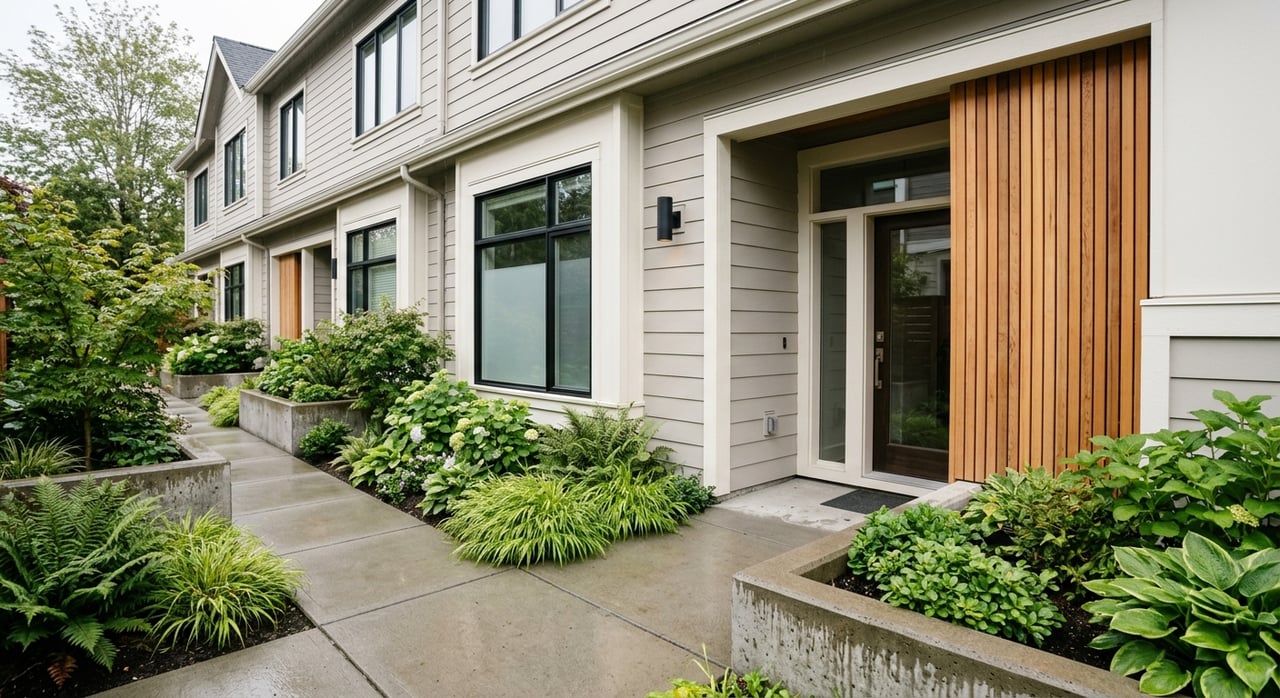
Townhome Or House In Kirkland’s Walkable Core?
June 18, 2026
June 18, 2026
If you want a home where coffee, waterfront walks, errands, and dinner plans can all fit into one easy loop, Kirkland’s walkable core is likely already on your radar. But once you start looking, the big question shows up fast: should you buy a townhome or a house? The answer depends on how you want to live day to day, what level of upkeep feels manageable, and how your budget lines up with one of the Eastside’s more competitive markets. Let’s dive in.
Kirkland’s walkable core is broader than a single downtown block. The city’s planning connects historic downtown, the NE 85th Street Station Area, the Kirkland Transit Center, and part of the Cross Kirkland Corridor, while published walking maps also highlight nearby areas like Moss Bay, Houghton, Lakeview, Everest, Juanita, and Totem Lake.
That matters because this area behaves more like a compact urban market than a traditional suburb. The city is also investing in better pedestrian connections between the waterfront and downtown storefronts, which helps explain why buyers who want everyday convenience often start here.
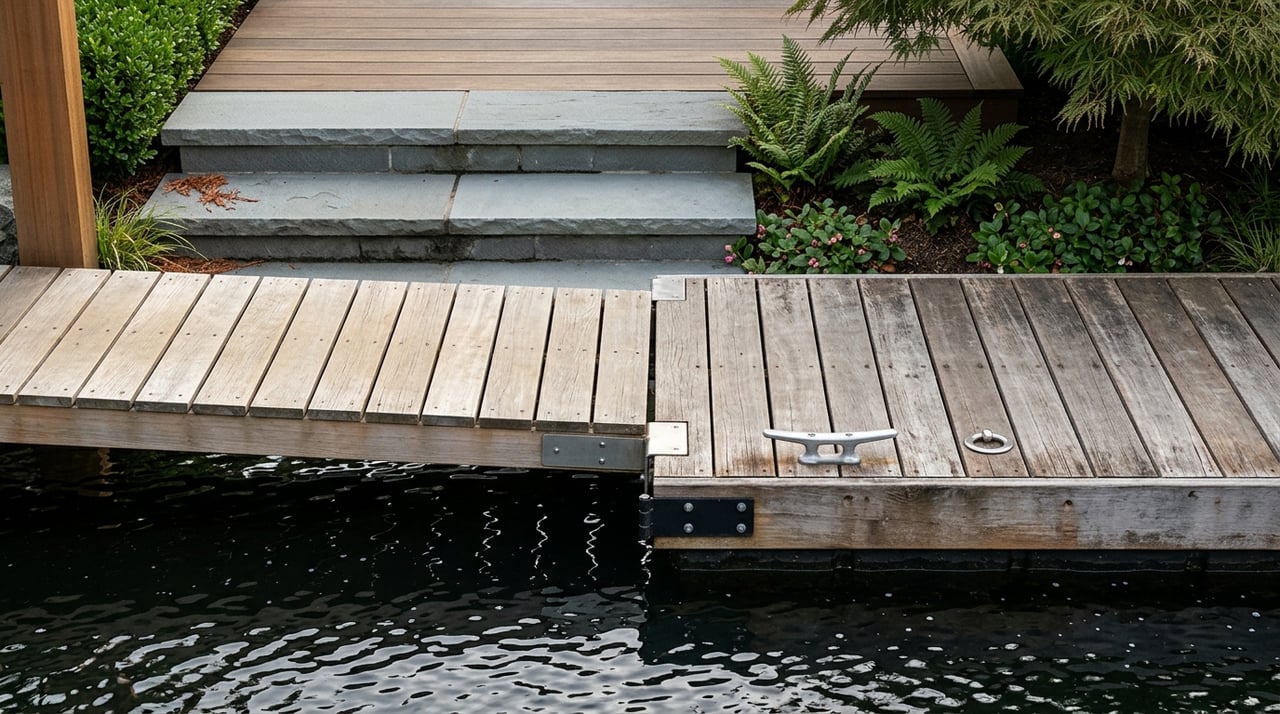
Marina Park adds a lot to that appeal. It sits downtown near shops and restaurants and includes a beach, boat launch, public art, concerts, and parking, giving the area a lifestyle draw that pushes demand beyond simple commute logic.
Redfin currently describes Kirkland as moderately walkable, with a Walk Score of 51. In practical terms, that means some errands and outings may be easy on foot, especially in the core, while others may still involve driving or planning around parking.
Before you compare price tags, start with how you want your home to support your week. In Kirkland’s core, the townhome-versus-house decision is often less about which property type is “better” and more about which ownership experience fits your routine.
If you want lower exterior upkeep and easy access to downtown activity, a townhome may feel like the cleaner fit. If you want more privacy, more separation from neighbors, and more room to spread out, a house may feel worth the extra cost and responsibility.
Because the market moves quickly, that clarity helps. Redfin says Kirkland homes receive about two offers on average and sell in around 13 days, so buyers usually benefit from knowing their tradeoffs before the right listing appears.
In Washington, townhomes may be organized through homeowners associations or as condos within common interest communities. These communities are privately managed through governing documents like CC&Rs, and owners typically pay mandatory assessments for shared expenses.
Those shared costs may help cover items such as streets, lighting, sewers, garages, landscaping, management, insurance, and reserves. State guidance shows fees can range from about $20 per year to more than $2,000 per month, so the monthly number alone does not tell the full story.
For many buyers, the appeal is simple: less exterior maintenance and more predictability. The tradeoff is that you may have more rules, recurring dues, and less autonomy over certain aspects of the property.
Current Redfin townhome inventory in Kirkland shows 70 homes for sale at a median listing price of $1.18 million. Zillow’s current townhome search page shows active examples ranging from roughly $465,000 to $2.6 million.
That wide range is helpful to know if you want a central location without reaching detached-home pricing in the same geography. While every listing is different, townhomes often provide a lower entry point than many houses in the core.
If you are considering a townhome, due diligence matters as much as the floor plan. The most important documents are often the HOA budget, reserve study, and governing rules, not just the monthly dues.
Under Washington law, buyers in applicable common-interest sales receive a resale certificate that discloses financial obligations tied to the association. It also addresses what unpaid assessments can be collected from the buyer, and if that certificate is delivered late for the first time, the buyer may have a short cancellation right.
That paperwork can shape your real monthly cost and your future flexibility. It can also reveal whether the community is planning responsibly for maintenance over time.
A detached house usually gives you more privacy, more outdoor space, and more control over the property. For many buyers, that creates a stronger sense of independence, especially if you want storage, separation, or the ability to personalize your space more freely.
The tradeoff is maintenance. A homeowner may be responsible for everything from small repairs to major projects like replacing a roof, so the day-to-day ownership experience is usually more hands-on.
Kirkland’s current single-family search page shows 259 results, with active examples ranging from about $650,000 to $3.5 million. In the core and nearby central areas, the premium can be steep.
The same source points to neighborhood values around $3.03 million for Market-Downtown, $2.10 million for Houghton, $1.77 million for Lake View, and $1.10 million for Moss Bay. Paired with Redfin’s citywide median sale price of $1.375 million, that suggests detached homes in the most central and waterfront-adjacent areas often sit at the top end of local budgets.
One common misconception is that buying a house automatically means no association rules or dues. Washington guidance notes that single-family neighborhoods are usually HOAs, while townhomes may be HOAs or condos, so the property type alone does not tell you whether there will be dues, CC&Rs, parking rules, or rental limits.
That is why it helps to evaluate the specific property, not just the label. A detached home may still come with community restrictions, while a townhome may offer a simpler ownership structure than you expect.
In Kirkland’s core, parking is part of the value equation. The city’s parking guide includes free 30-minute, 2-hour, and 4-hour parking, along with paid lots, and the city is piloting a real-time parking availability map for downtown and several nearby lots.
This affects more than visitors. It shapes errands, guest parking, restaurant meetups, and your own experience coming and going in a denser part of town.
Mobility is the other half of the equation. The Cross Kirkland Corridor is a 5.75-mile trail running through the heart of Kirkland, connecting South Kirkland Park & Ride north through Totem Lake and linking to parks, transportation hubs, business districts, and other destinations.
If walkability and connected movement are high on your list, access to these features can make a meaningful difference. For some buyers, that tips the scale toward a lower-maintenance home closer to the action.
| Priority | Townhome may fit better | House may fit better |
|---|---|---|
| Maintenance | Less exterior upkeep | More owner responsibility |
| Privacy | Usually less separation | Usually more separation |
| Outdoor space | Often smaller | Often larger |
| Rules and dues | More likely part of ownership | Possible, but varies by property |
| Entry price in the core | Often lower than detached homes nearby | Often higher in prime central areas |
| Customization | May be more limited by governing rules | Often more control |
| Walkable lifestyle | Often strong match | Can be a match, but usually at a premium |
A useful shorthand is this: townhomes often make the most sense when you want walkability and a smaller maintenance footprint, while houses often make the most sense when you want privacy, outdoor space, storage, and more freedom to customize. It is not a hard rule for every listing, but it is a practical way to frame the decision.
If you are buying in Kirkland’s walkable core, it helps to compare more than square footage. Look closely at monthly costs, parking, storage, association documents, maintenance exposure, and how each home supports your daily rhythm.
In a market this competitive, the right choice is usually the one that feels sustainable after the excitement of the tour fades. A beautiful home matters, but so does how easy it is to live there on a Tuesday.
If you want help weighing townhomes versus houses in Kirkland’s core, Lizanne Wicklund offers a thoughtful, full-service approach that blends local market strategy with practical guidance at every step.
Stay up to date on the latest real estate trends.
With an early career in design, marketing, and corporate partnerships at Seattle’s top firms, Lizanne brings a sharp, creative edge to residential real estate. She combines expert negotiation with data-driven marketing to deliver seamless results. Whether finding your dream home in Seattle or the Eastside's most coveted neighborhoods—or maximizing value for your property—Lizanne provides unparalleled service backed by Windermere, the region’s most trusted brokerage.
Let me know how I can assist you.