A Guide to Ballard Seattle Home Styles and Character
May 14, 2026
May 14, 2026
What makes Ballard feel like Ballard when you walk down a residential street? Often, it is the homes. From porch-front Craftsman houses to glassier mid-century designs and newer townhomes near mixed-use corridors, Ballard’s architecture tells the story of a neighborhood shaped over time. If you are buying, selling, or simply trying to understand what gives this part of Seattle its identity, this guide will help you read Ballard’s home styles with more confidence. Let’s dive in.
Ballard’s housing mix reflects its long local history. It was incorporated as an independent city in 1890 and annexed to Seattle in 1907, and its historic commercial core on Ballard Avenue still includes modest buildings dating from the 1890s through the 1940s.
That layered past carries into the neighborhood’s residential streets. Seattle’s residential survey describes Ballard as a place with mostly single-family homes, along with multifamily, commercial, civic, and institutional buildings. Across that mix, you see several architectural styles rather than one single look.
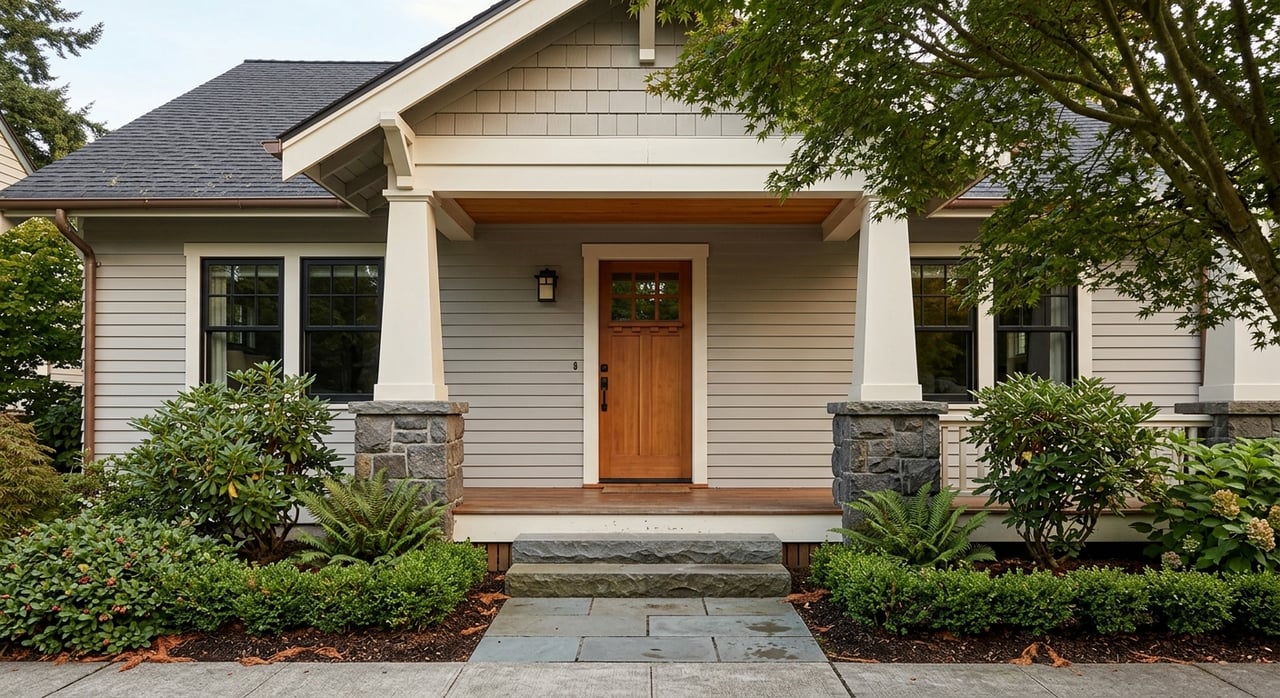
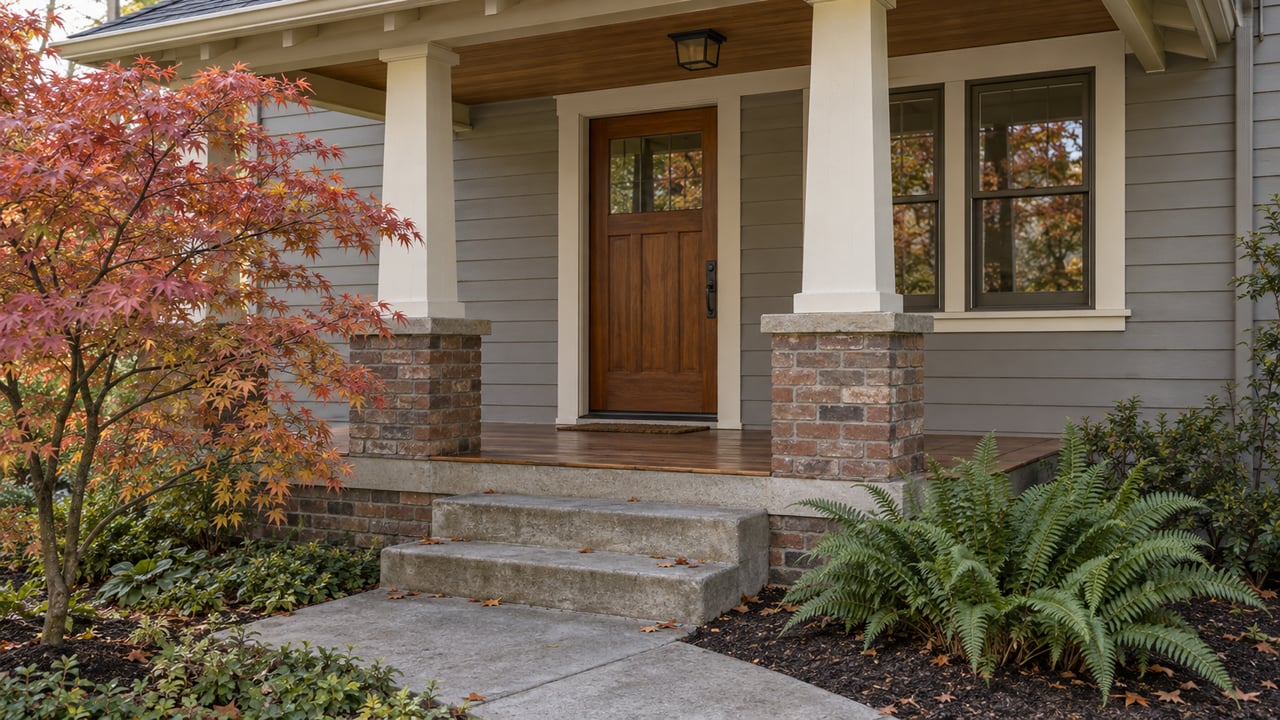
If you had to pick one home style that feels most iconic in Ballard, Craftsman would likely be the clearest answer. Seattle survey materials describe Craftsman houses as typically built between 1905 and 1930, which matches the era when many of Ballard’s older homes took shape.
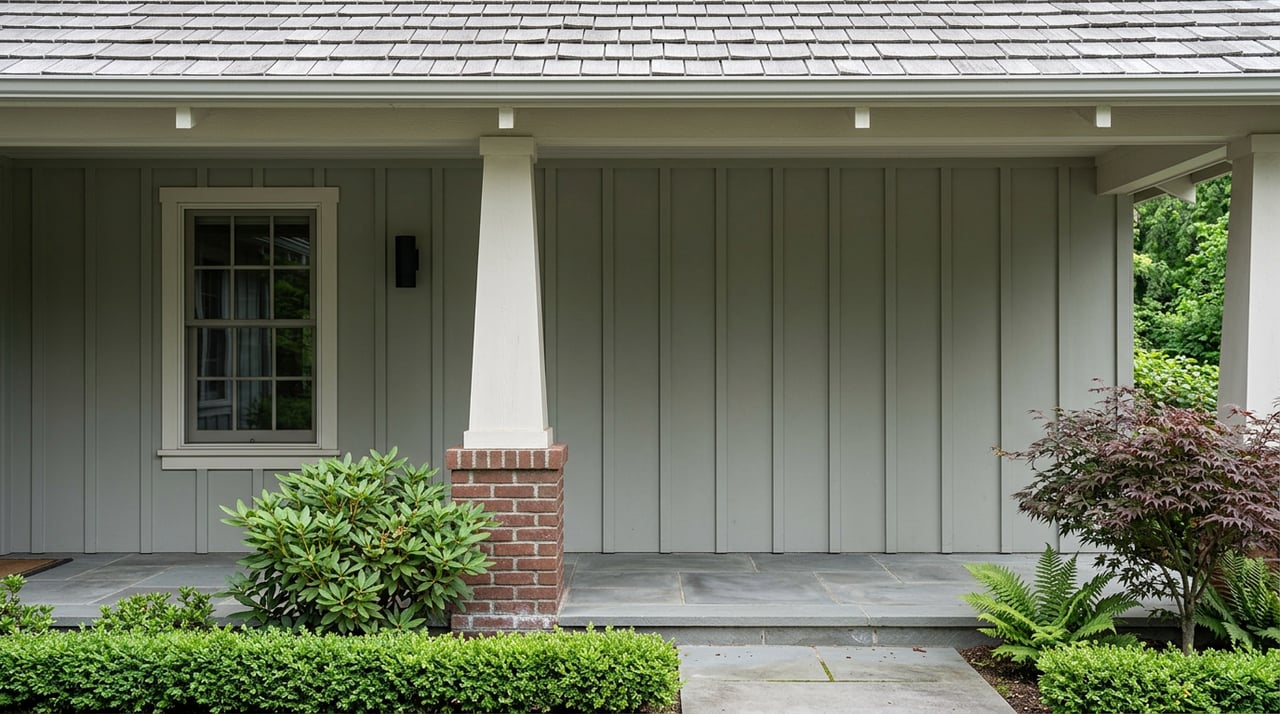
These homes are known for low-pitched gabled roofs, wide overhangs, exposed rafters, decorative beams or braces, and porches supported by tapered square columns. In one- and one-and-a-half-story versions, they are often called bungalows.
For many buyers, this is the style that creates an immediate emotional pull. The porch, the rooflines, and the visible wood details give these homes a strong street presence that feels welcoming and rooted.
Part of Ballard’s appeal is that many of its older houses are modest cottages and builder’s houses rather than grand architect-designed landmarks. That can make them feel more approachable and more connected to everyday neighborhood life.
Inside, these homes often feel more compartmentalized than newer properties. Rooms may be more defined, and the flow may center around the porch, living room, and dining spaces rather than one large open-plan layout.
That difference is not a drawback for everyone. For many buyers and sellers, it is part of the charm and part of the renovation appeal, especially when original character still comes through in the home’s scale and detailing.
When you tour a Ballard Craftsman or bungalow, a few things tend to stand out:
For sellers, those same qualities can help a home stand out when the presentation is thoughtful. Design-forward marketing is especially powerful when a property has visible architectural personality.
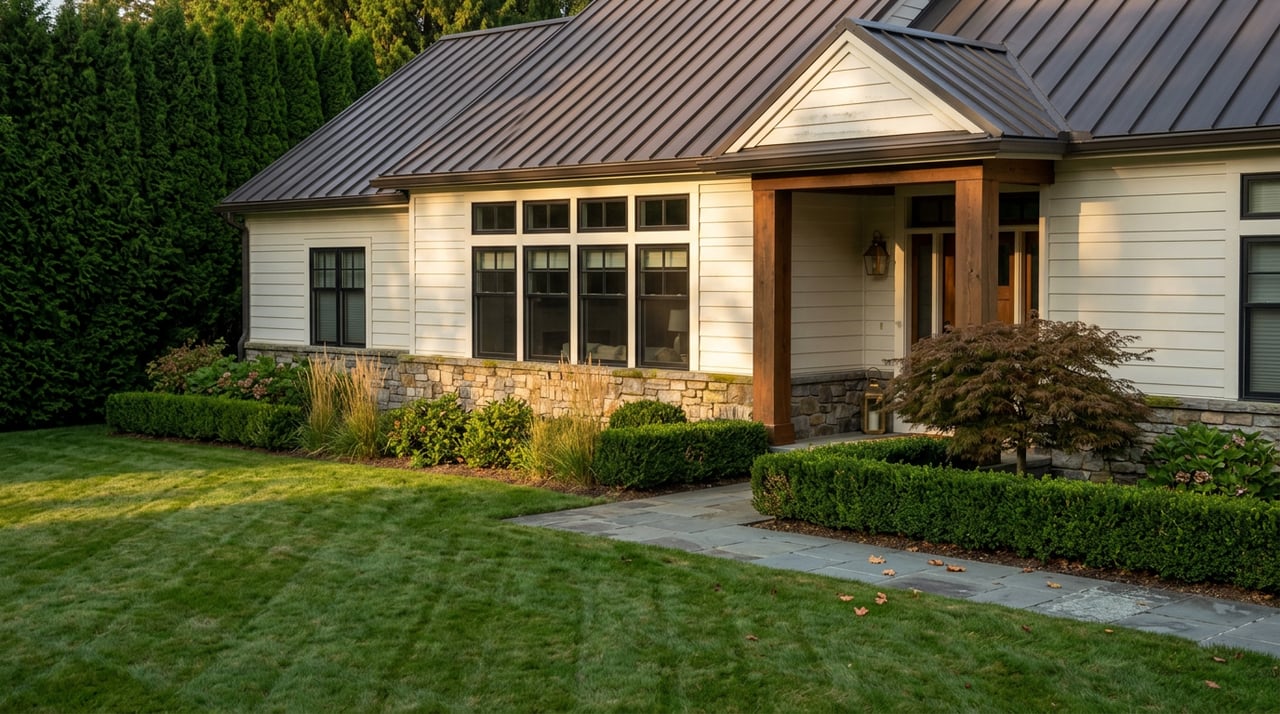
Craftsman may be the headliner, but it is not the whole story. Seattle’s survey of Ballard also lists Queen Anne, vernacular cottages, American Foursquare, Tudor Revival, Minimal Traditional, and Ranch among the styles found in the neighborhood.
That variety is part of what makes Ballard visually interesting. Even on a single block, you may see a simpler cottage next to a more formal Foursquare or a later home with a very different roofline and massing.
For buyers, this means there is not just one way to live in Ballard. For sellers, it means your home’s architectural identity can become part of the story that helps buyers connect with it.
Ballard’s mid-century layer is smaller than its older housing stock, but it plays an important role in the neighborhood’s character. These homes often feel very different from early 20th-century houses, both in layout and in how they relate to the site.
Seattle landmark documentation describes typical regional mid-century modern dwellings as usually one story, sometimes stepped on sloped lots, with patios and decks, large areas of glass, flat or simple shed roofs, exposed wood framing, horizontal window bands, and open plans that connect interior spaces to the outdoors.
In practical terms, that usually means brighter interiors and less formal circulation. Main living spaces often feel more connected to the yard, deck, or view, which gives these homes a calm, airy feel that many design-minded buyers love.
Another Seattle landmark report describes Northwest regional modernism as using natural materials, open or flowing plans, large areas of glass, site-responsive planning, indoor-outdoor connections, and views.
That design language creates a very different experience from a bungalow or Foursquare. Instead of focusing on porch presence and smaller defined rooms, mid-century homes often emphasize light, openness, and a stronger relationship between the interior and the outdoors.
If you are comparing styles, this is often the Ballard home type that feels brightest and most open. For buyers who value that visual and spatial ease, mid-century design can be especially compelling.
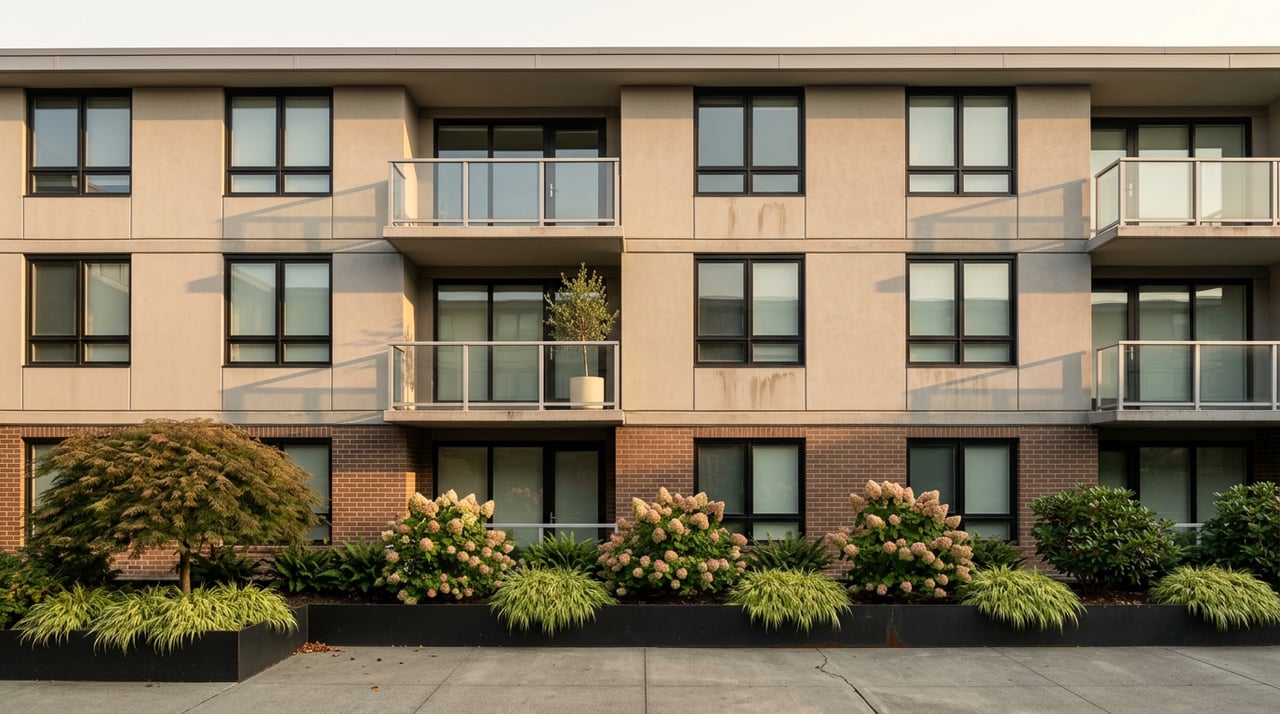
Newer Ballard homes often read differently because they were built for a different pattern of urban living. Seattle planning documents describe multifamily residential corridors with apartments, rowhouses, and townhouses, along with a high-density urban residential core and new residential development that places neighborhood-serving commercial uses at street level.
The neighborhood guidelines for Ballard specifically recommend rowhouses with individual entrances and stoops in Residential In-Town areas. They also call for large mixed-use and multifamily projects to include ground-level open space, windows, entries, and balconies.
The result is a newer housing stock that tends to feel more vertical, more compact, and more street-oriented than detached houses. In many cases, these homes also come with less private yard space and a lighter maintenance burden.
For some buyers, newer rowhouses and condos line up well with how they want to live. They may prefer efficient floor plans, private entries, shared amenities, or easier access to the neighborhood’s commercial areas.
That does not make them more or less “Ballard” than older homes. It simply reflects another chapter in the neighborhood’s evolution.
In lifestyle terms, newer homes often appeal to buyers looking for:
The most useful way to think about Ballard home styles is not just by appearance, but by daily life. Each style tends to support a different rhythm, layout preference, and relationship to the street or outdoor space.
Here is a simple way to compare them:
| Style | Often known for | Lifestyle feel |
|---|---|---|
| Craftsman / Bungalow | Porches, tapered columns, exposed rafters, defined rooms | Character-rich, cozy, renovation-friendly |
| Mid-Century Modern | Large glass areas, open plans, patios or decks | Bright, airy, indoor-outdoor connected |
| Newer Townhome / Condo | Vertical layouts, stoops or shared entries, compact planning | Efficient, lower-maintenance, urban-oriented |
If you love visible architectural detail and classic neighborhood charm, older Ballard homes may be the strongest fit. If you want openness and light, mid-century homes often stand out. If you prefer efficiency and convenience, newer townhomes and condos may feel like the right match.
Understanding style helps you move beyond surface-level impressions. As a buyer, it helps you match a home’s design to the way you actually want to live. As a seller, it helps you position your home more clearly and present its strengths in a way that resonates.
In Ballard, that kind of clarity matters because the housing stock is varied. A thoughtful strategy should highlight what makes a home feel authentic to its style, whether that is a bungalow porch, a mid-century wall of glass, or a townhome entry that connects directly to the street.
For sellers especially, this is where design and storytelling can make a real difference. When your home’s architecture is presented with intention through staging, photography, and a clear narrative, buyers can more easily understand not just what the home is, but why it feels special.
Ballard works because it offers different versions of the same neighborhood identity. Its older Craftsman and bungalow homes create the clearest shorthand for classic Ballard, while mid-century houses and newer multifamily development add other ways to experience the neighborhood.
That mix gives buyers real choice and gives sellers a meaningful story to tell. If you are trying to make sense of where your home fits, or which style best fits your next move, working with someone who understands both architecture and market positioning can help you see the opportunity more clearly.
If you’re thinking about buying or selling in Ballard, Lizanne Wicklund offers a design-forward, full-service approach that helps you understand a home’s character and present it with intention.
Stay up to date on the latest real estate trends.
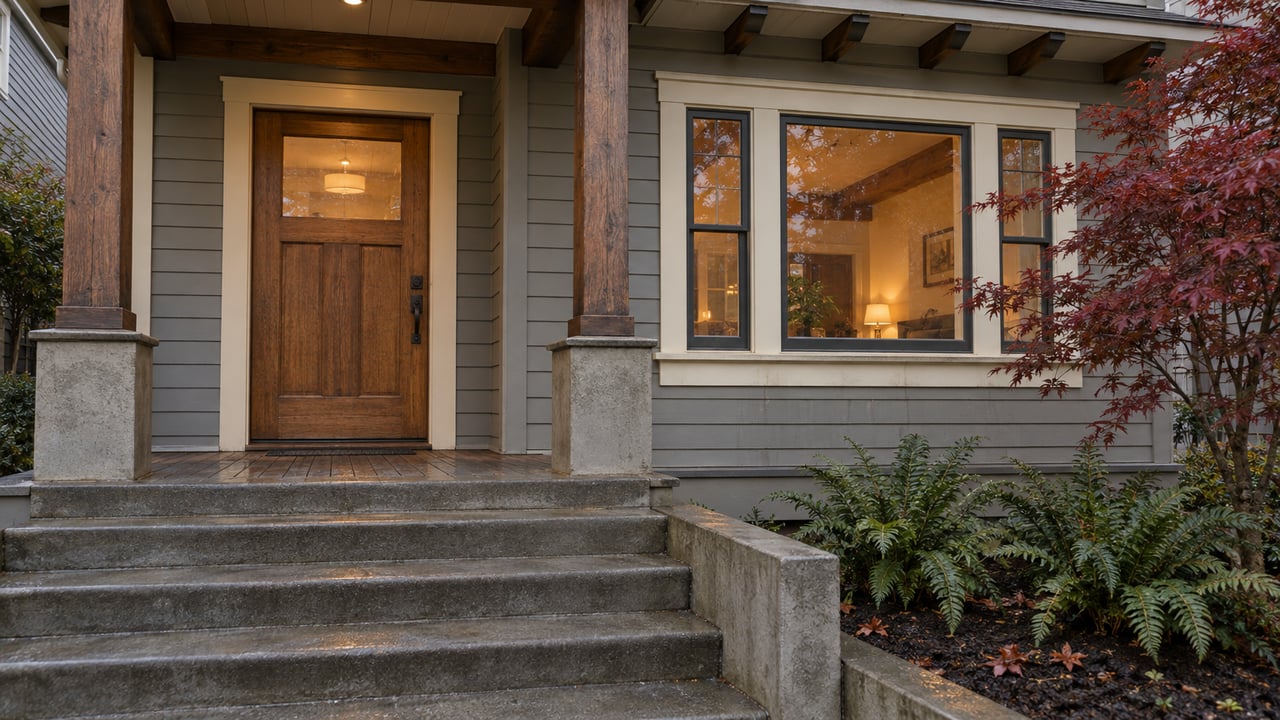
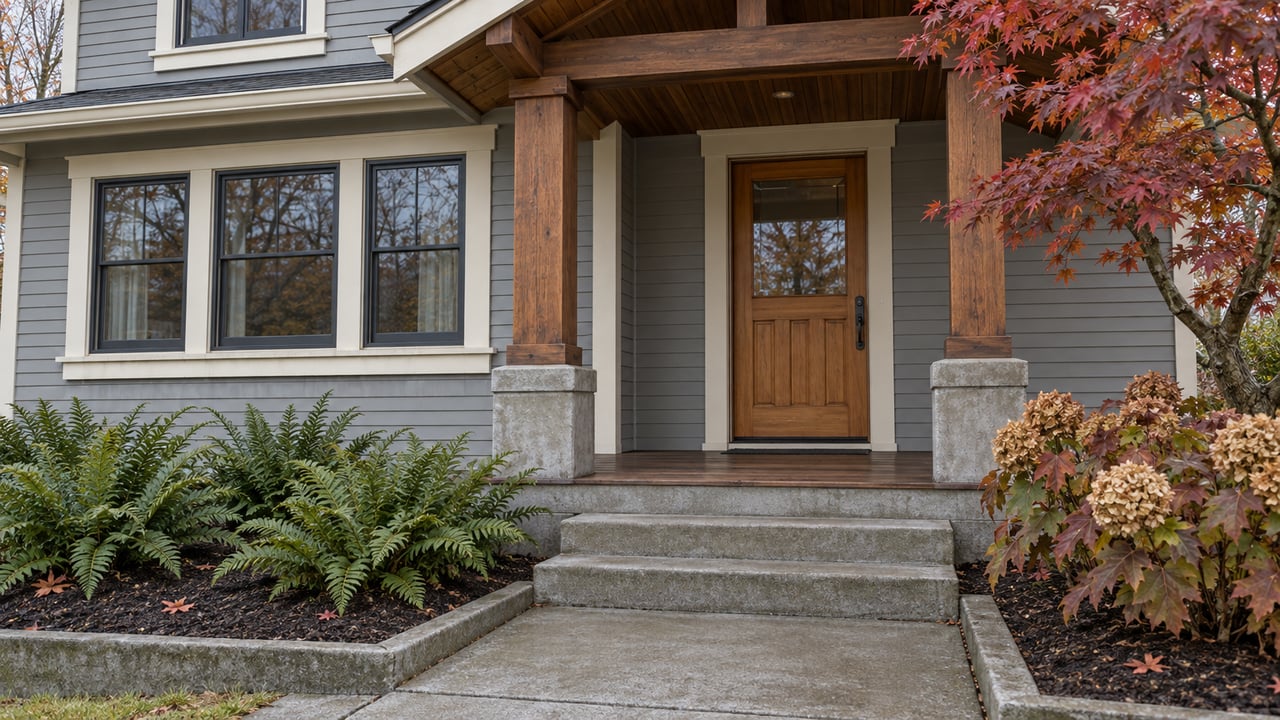
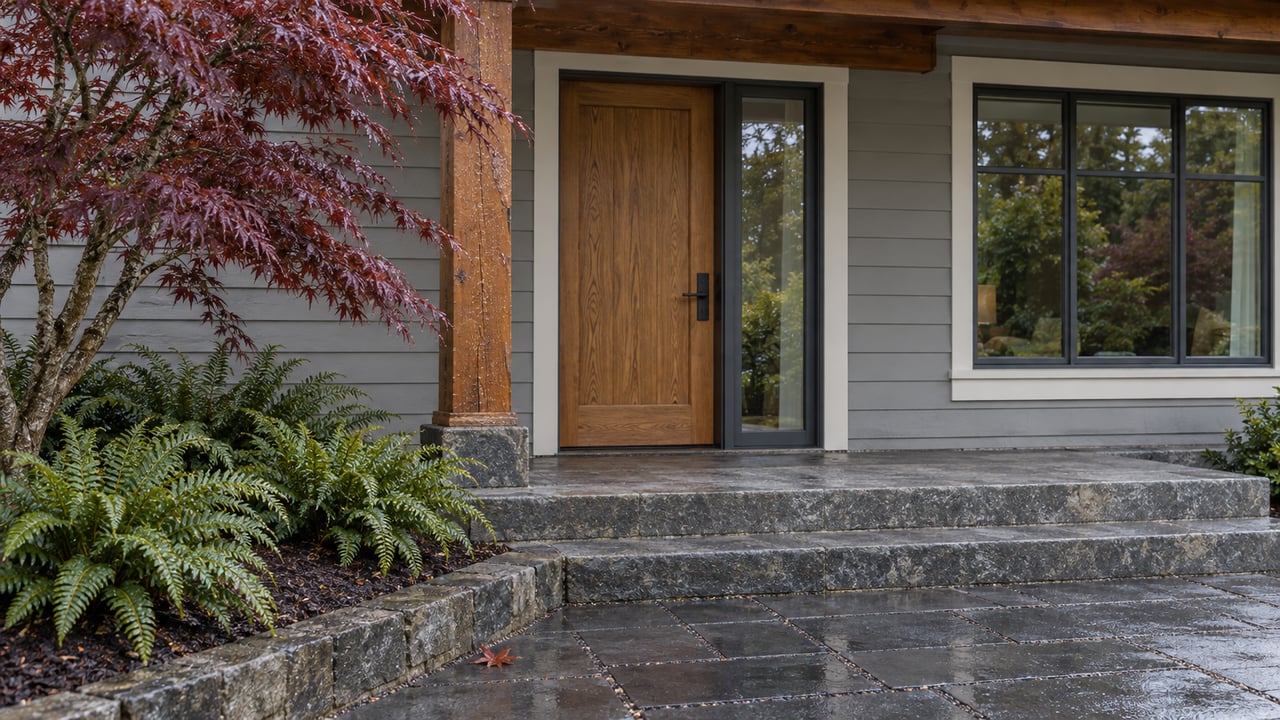
With an early career in design, marketing, and corporate partnerships at Seattle’s top firms, Lizanne brings a sharp, creative edge to residential real estate. She combines expert negotiation with data-driven marketing to deliver seamless results. Whether finding your dream home in Seattle or the Eastside's most coveted neighborhoods—or maximizing value for your property—Lizanne provides unparalleled service backed by Windermere, the region’s most trusted brokerage.
Let me know how I can assist you.