Capitol Hill Townhome vs Condo: How to Choose
March 24, 2026
March 24, 2026
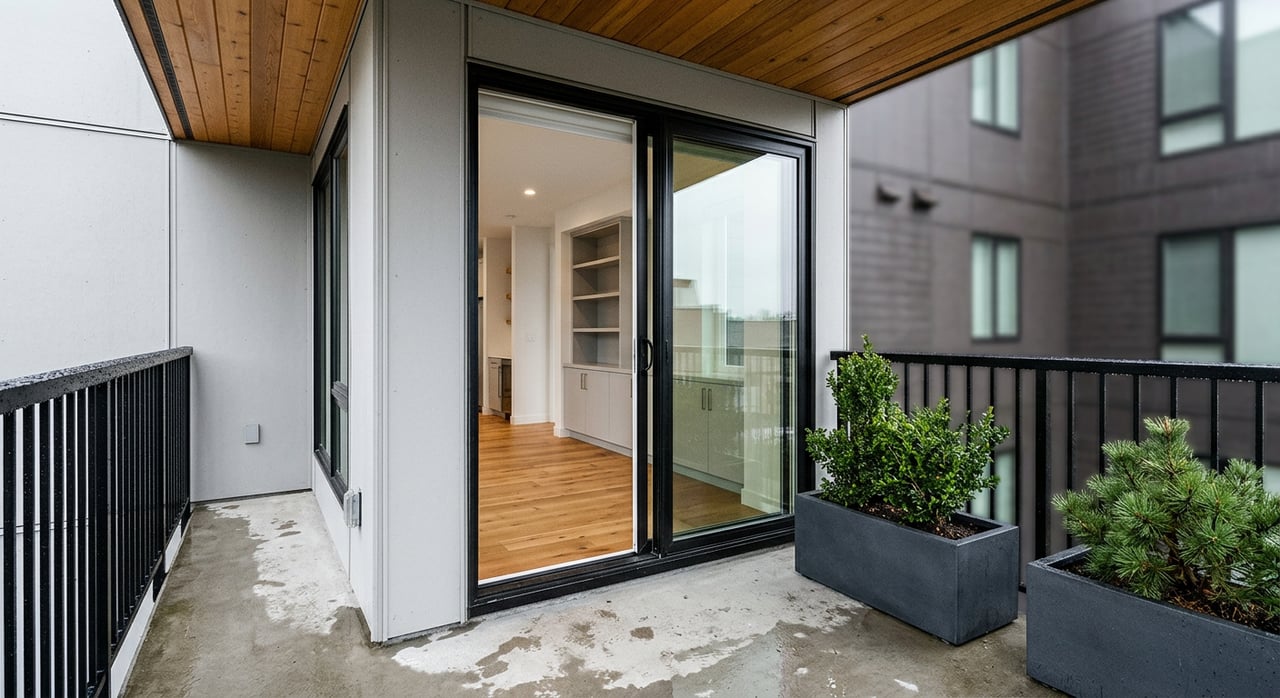
If you love the energy of Pike/Pine and Broadway but want a low‑maintenance home, you are probably weighing a Capitol Hill condo against a townhome. The right choice comes down to how you want to live, what you want to maintain, and how you plan to finance. In the next few minutes, you will learn the key differences in ownership, monthly costs, and lifestyle so you can move forward with clarity. Let’s dive in.
Capitol Hill is one of Seattle’s classic urban villages with an arts‑forward spirit, independent restaurants, and easy access to green space. Cal Anderson Park and Volunteer Park offer open lawns, trails, and cultural landmarks right in the neighborhood. Explore the civic and design history of Pike/Pine’s Auto Row to understand why you see both preserved façades and modern infill nearby.
In Washington, a condominium is created by a recorded declaration and map. You own your unit, plus a share of the common elements. Unit boundaries matter because they determine who maintains and insures what. Typically interiors are part of the unit while exterior walls, roofs, and shared systems are common elements managed by the association. See unit boundary rules in RCW 64.34.204.
Condo resales come with a statutory resale certificate that discloses current assessments, budget and reserve information, and other financial details. This helps you evaluate the building’s health before you close. Review the resale‑certificate requirements in RCW 64.34.425.
“Townhome” describes an attached, often multi‑level home with a private entrance. The legal form can vary:
Lenders and title treat these forms differently, which affects financing, insurance, and maintenance. The legal form, not the marketing label, controls your rights and obligations. For a quick primer on how lenders view project types, see this guide to project standards.
Washington regulates condos and HOAs under several chapters, and the Washington Uniform Common Interest Ownership Act (WUCIOA) now provides a unified framework for many newer communities. Always confirm which statute governs your association because disclosures and procedures can differ. Start with RCW 64.90 for WUCIOA and the Condominium Act at RCW 64.34.
Washington law requires key financial records and, in many cases, reserve studies that estimate long‑term repair costs. A condo with very low monthly dues but a thin reserve can face a large special assessment when exterior work is due. A healthier reserve reduces surprise risk. Review reserve study and disclosure rules in RCW 64.34.380 and ask for the latest reserve study in the resale packet.
Multi‑unit buildings carry a master insurance policy with defined deductibles. For certain residential buildings, Washington requires building‑enclosure inspections and repair programs, which can be costly and may lead to assessments if reserves are not adequate. Ask for any recent enclosure reports and plan for upcoming work. See RCW 64.55, and use this simple overview of master‑policy considerations from Condo Connection.
Condo projects must meet project‑level eligibility standards. Lenders review the association’s budget, reserve funding, insurance, pending litigation, and owner‑occupancy. If a project is not eligible, you may face limited loan options or higher rates. Fee‑simple townhomes that are not condos are often underwritten like single‑family homes, which can be simpler. Share this with your lender early. See Fannie Mae’s project standards summary.
Neighborhood snapshots as of early 2026 show typical Capitol Hill home values in roughly the mid‑$500,000 to mid‑$600,000 range across all property types. Within that mix, many Capitol Hill condos trade in the $400,000 to $800,000 band, while townhomes often range from the mid‑$500,000s to the $800,000s, with larger or recently upgraded units reaching higher price points. These are broad illustrations, not quotes.
Inventory and prices move quickly in this amenity‑rich neighborhood. For current numbers, rely on live MLS data and the specific property’s resale certificate and HOA budget at the time you write an offer.
Print or save this list and bring it with you.
Choosing between a townhome and a condo is as much about how you live as it is about legal form and financing. You deserve clear guidance, not guesswork. With design‑forward insight into Capitol Hill’s micro‑markets and a steady hand on the details, you can compare options side by side, read HOA budgets with confidence, and secure the right loan for the right home. Windermere programs such as READY and the Bridge Loan can also reduce prep and timing friction when you are buying and selling in sequence.
If you are ready to explore specific buildings and townhome clusters near the light rail, Pike/Pine, or the parks, connect with Lizanne Wicklund for a focused plan and a calm, well‑managed search.
Stay up to date on the latest real estate trends.


With an early career in design, marketing, and corporate partnerships at Seattle’s top firms, Lizanne brings a sharp, creative edge to residential real estate. She combines expert negotiation with data-driven marketing to deliver seamless results. Whether finding your dream home in Seattle or the Eastside's most coveted neighborhoods—or maximizing value for your property—Lizanne provides unparalleled service backed by Windermere, the region’s most trusted brokerage.
Let me know how I can assist you.