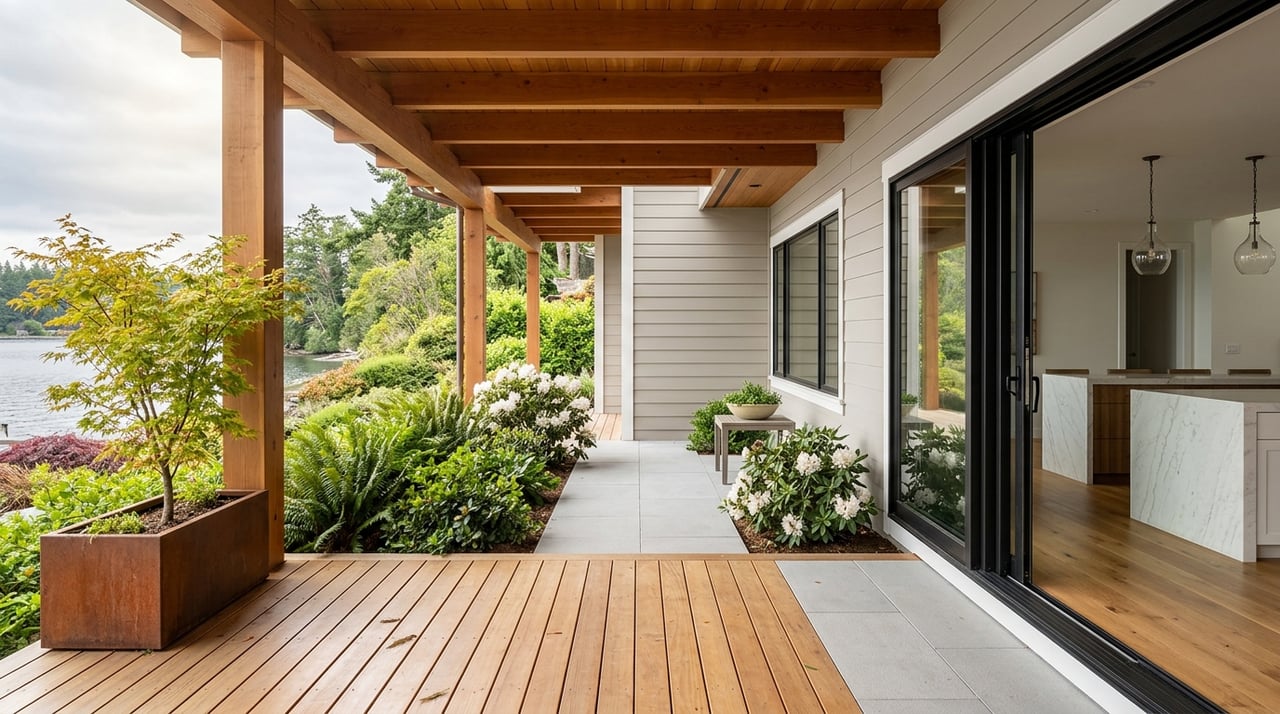
Preparing A Hunts Point Waterfront Home For Sale
July 9, 2026
July 9, 2026
Selling a Hunts Point waterfront home is not like selling a typical suburban property. With limited land, a small number of homes, and very little turnover, each listing enters a highly selective market where presentation, records, and condition carry real weight. If you are preparing to sell, the goal is not to overdo updates. It is to reduce friction, highlight quality, and make it easy for a serious buyer to see the value. Let’s dive in.
Hunts Point is a small waterfront town on Lake Washington with about 205 acres and a population of 457, according to the town’s 2025 comprehensive plan. It is also a fully developed residential community, which means inventory is naturally scarce. That scarcity can elevate buyer expectations because available homes are limited, but choices at this price point are still judged carefully.
Recent market data reinforces that point. Redfin reported a median sale price of $17.4 million for the three months ending March 2026, with only one home sold during that period. In a market this tight, your home is not competing on volume. It is competing on polish, trust, and how effortlessly a buyer can picture stepping into a well-cared-for waterfront lifestyle.
Before you think about styling, start with the basics that signal stewardship. Waterfront buyers tend to notice maintenance issues quickly, especially anything related to moisture, systems, or deferred exterior care. A premium price point does not hide preventable problems.
Windermere recommends making a home ready from the basement to the roof, and its seller guidance specifically flags water damage, mold, electrical issues, ventilation issues, and pipe or septic damage as concerns. For a waterfront home, those items deserve early attention because they can create questions during buyer due diligence. Fixing them before launch can help your listing feel cleaner and more credible from day one.
If you are deciding where to spend time and money, focus on repairs that improve confidence and remove obvious objections.
In a market like Hunts Point, buyers are often paying as much attention to what they do not see as what they do. A house that feels dry, quiet, orderly, and well maintained creates a stronger impression than one with flashy but unnecessary cosmetic changes.
A pre-listing inspection can be a smart move when you want to lead with transparency. Windermere notes that some sellers use one to help streamline the sale and show buyers that the home has been thoughtfully prepared. That can be especially useful for waterfront properties, where docks, shoreline elements, and site conditions may already create a more complex review process.
A pre-listing inspection also helps you make decisions before your home is on the market. Instead of reacting under pressure, you can decide which issues to fix, which to disclose clearly, and which records to organize in advance. That often leads to a smoother negotiation process.
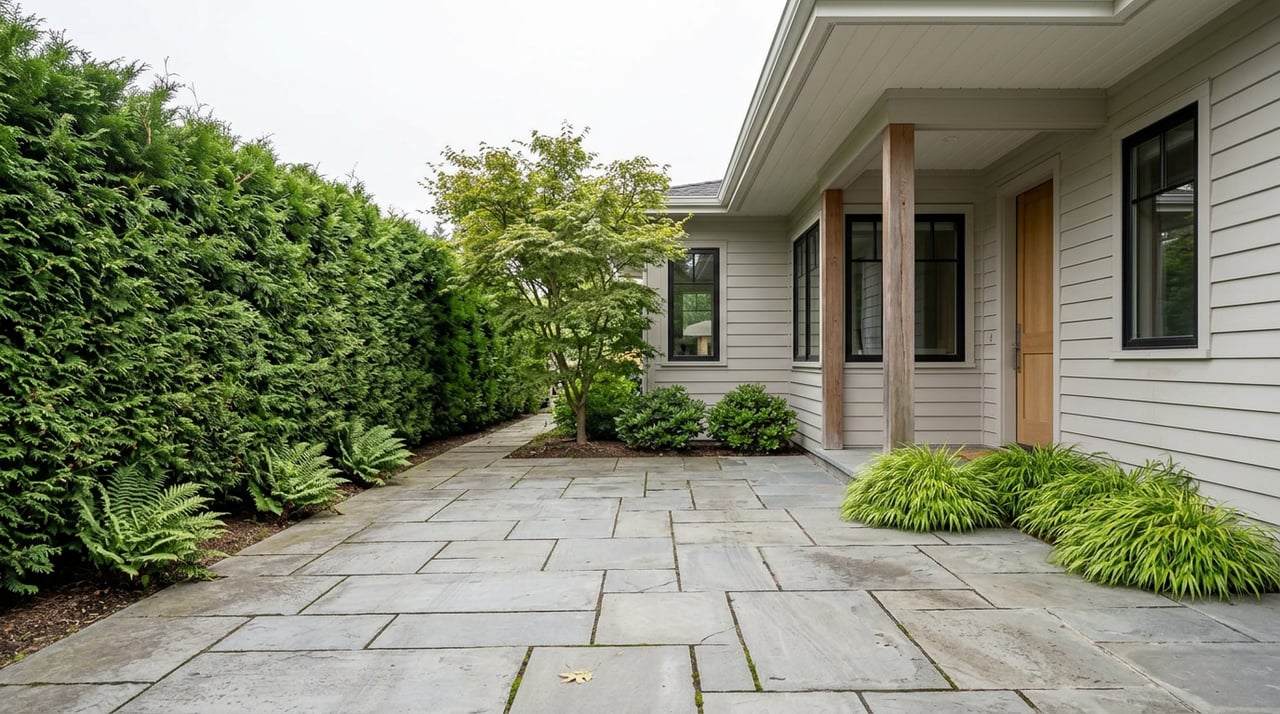
Curb appeal matters, but on a Hunts Point waterfront property, the best exterior presentation is usually calm and intentional. NAR research found that 97% of REALTORS® believe curb appeal is important to attracting a buyer, and 92% recommend improving it before listing. That does not mean heavy redesign. It means making sure the approach, entry, gardens, and lake-facing areas feel clean, maintained, and in harmony with the site.
King County’s native plant guidance and Hunts Point’s tree regulations support a measured approach. Instead of aggressive clearing, focus on tidy planting, healthy canopy, and shoreline-compatible landscaping. Buyers in this setting tend to respond well to outdoor spaces that feel private, established, and easy to enjoy.
The waterfront itself should feel like the hero. Your landscaping should frame the experience, not overpower it.
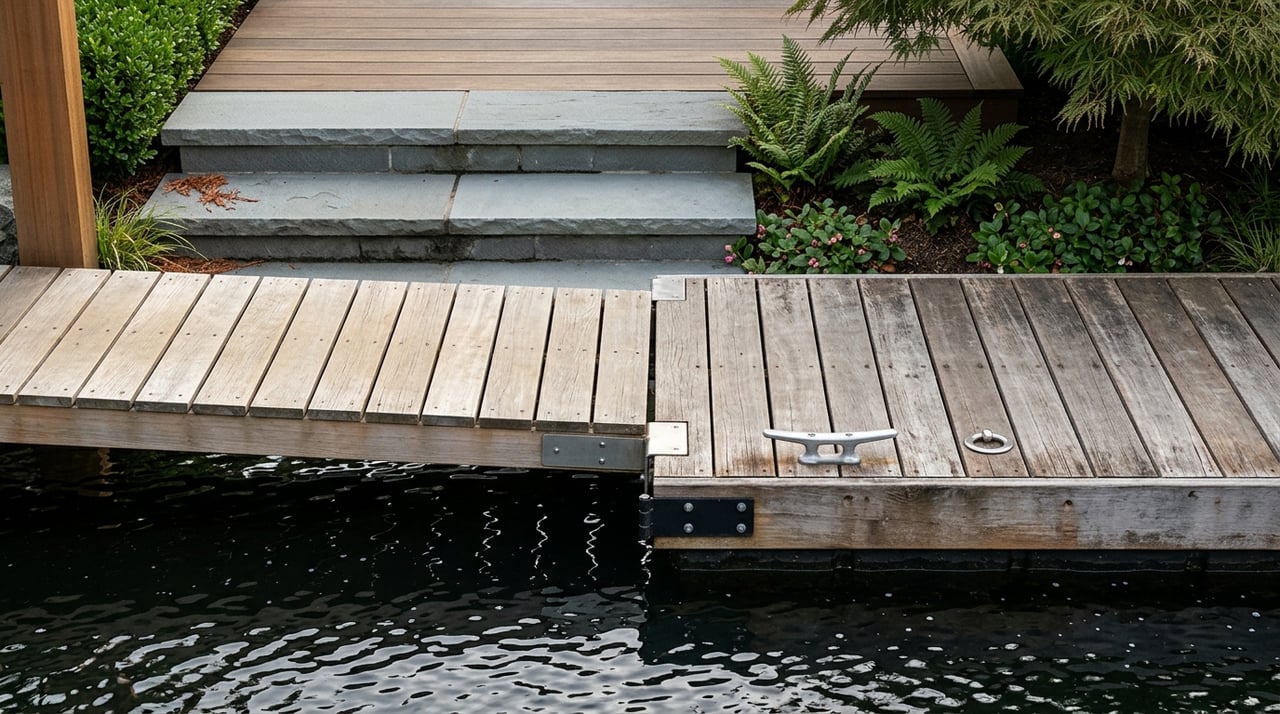
One of the most important pre-listing steps for a Hunts Point waterfront home is knowing what not to change without approval. Hunts Point’s Shoreline Master Program regulates shoreline areas, and the town’s comprehensive plan states that the program is designed to achieve no net loss of ecological function while regulating features such as piers and bulkheads over time.
That matters if you are thinking about a quick shoreline refresh before listing. Hunts Point’s permit guidance says site development permits regulate excavation, grading, site drainage, landscaping, utility or sprinkler installation, and other site work. Separate permits are required for removal of significant trees.
Washington Ecology also notes that shoreline development and stabilization work within shoreline jurisdiction is regulated under the Shoreline Management Act. Where possible, Ecology recommends soft shoreline stabilization over harder approaches like bulkheads, revetments, and seawalls. From a presentation standpoint, that often means a natural, well-maintained shoreline reads better than one that feels heavily engineered.
Before starting any exterior or shoreline-related project, confirm whether town approval is needed for:
Skipping this step can create delays at exactly the wrong time. It is much better to verify requirements early than to explain unpermitted work later.
Waterfront homes usually come with a bigger paper trail, and organized records can make a meaningful difference. Washington’s seller disclosure law requires a completed seller disclosure statement for improved residential property unless waived or otherwise exempt. The form asks about encroachments, boundary disputes, easements, access limitations, studies or surveys, and whether remodels or additions received permits and final inspections.
It also asks about flooding, basement leaks, and other defects. For a Hunts Point waterfront sale, this makes record gathering more than an administrative task. It is part of presenting the home as a well-managed asset.
When buyers can review complete, orderly information, they often feel more comfortable moving forward. In a narrow, high-expectation market, that confidence matters.
Once condition and documentation are in place, presentation becomes the next lever. NAR’s 2025 staging report found that 83% of buyers’ agents said staging helps buyers visualize a property as a future home. The same report found that the living room, primary bedroom, and kitchen are the most important rooms to stage.
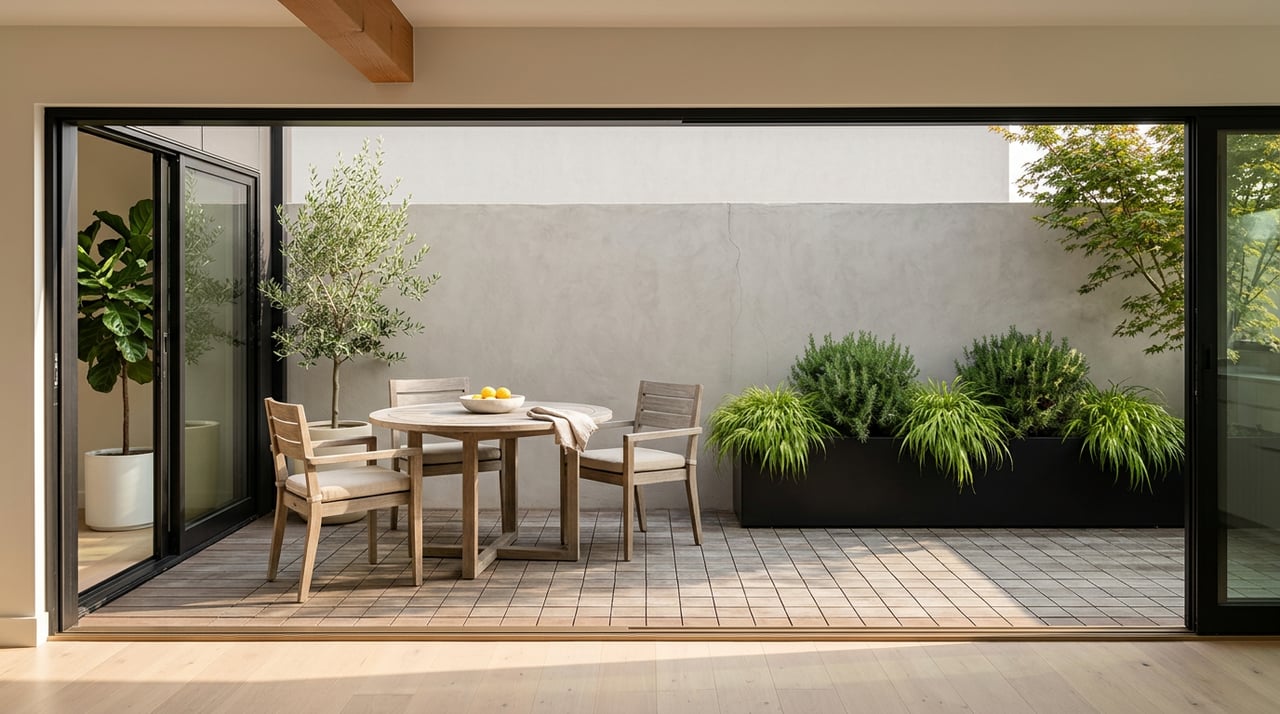
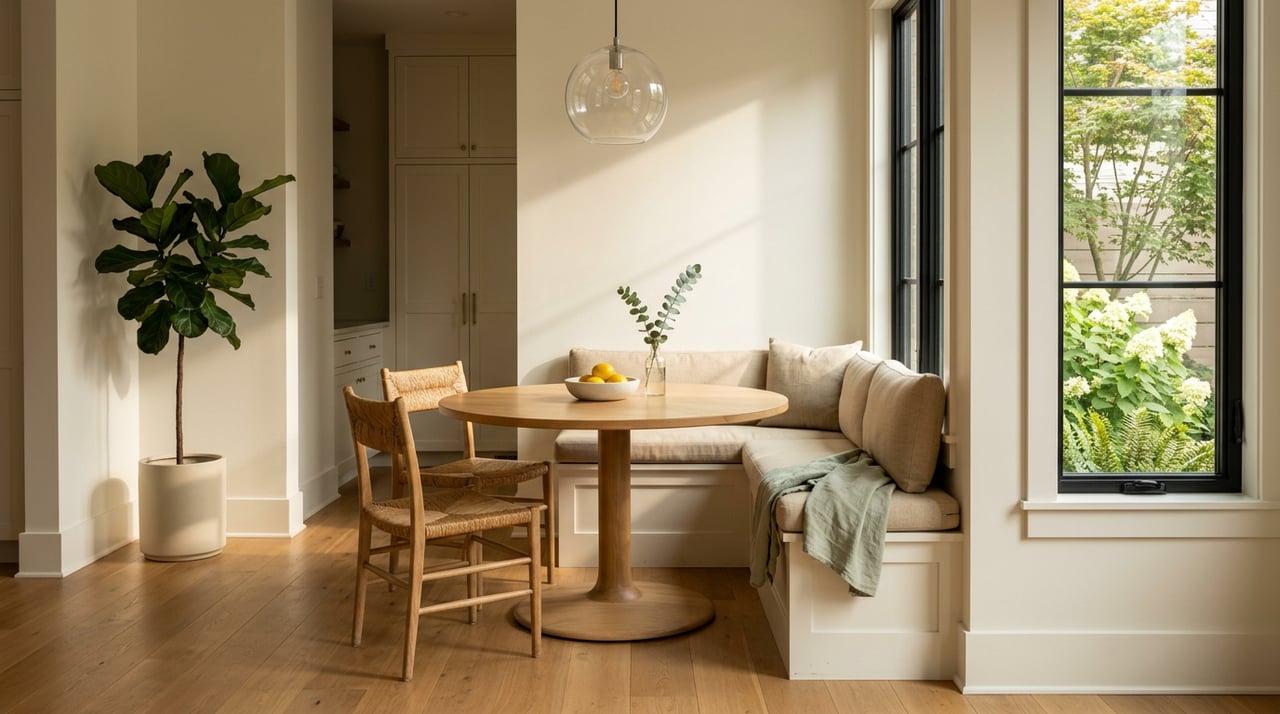
For a Hunts Point waterfront home, staging should support the architecture and the setting. You want rooms to feel bright, calm, and connected to the views. This is where a design-minded strategy can make a difference, especially in homes where scale, window placement, and indoor-outdoor flow are key selling points.
Keep the layout open and conversational so buyers can read the proportions of the space. Furniture should define the room without interrupting sightlines toward windows or outdoor areas.
The kitchen often acts as a visual anchor for the home. Clear counters, restrained styling, and balanced lighting help the space feel functional and polished without looking staged beyond reality.
This room should feel restful and spacious. Soft layers, minimal decor, and an uncluttered arrangement help reinforce the sense of retreat that many buyers expect in a waterfront property.
In a luxury waterfront sale, media is not optional. NAR’s 2025 staging research found that buyers’ agents place strong value on photos, traditional staging, video, and virtual tours. It also found that many buyers expect homes to look polished and are disappointed when a property shows less well than expected.
That does not mean exaggeration. It means accuracy at a high level. Strong photography, video, and listing copy should capture actual views, natural light, outdoor rooms, and the flow between key spaces.
For a home in Hunts Point, narrative matters too. A thoughtful marketing package can help buyers understand not just the floor plan, but also the rhythm of the property: the arrival, the privacy, the water connection, and the everyday ease of living there.
Some sellers want to prepare their home properly but would rather not pay for everything upfront. Windermere’s READY program helps eligible sellers cover repair and upgrade costs so they can list at the property’s full potential and pay at closing. For the right seller, that can make it easier to complete meaningful prep work without creating cash-flow strain.
Windermere also offers a Bridge Loan program for eligible clients who want to leverage equity in their existing home to make a non-contingent offer on their next purchase. If your sale and move timing overlap, that can be a practical way to reduce stress and create more flexibility.
Both programs are subject to eligibility, and lending partners underwrite the loans. Still, when used thoughtfully, these tools can help remove friction and keep your sale plan on track.
The strongest pre-sale plan for a Hunts Point waterfront home is usually not about dramatic renovation. It is about disciplined preparation. Repair what affects confidence, verify permits before site work, organize your records, and present the home with the level of care the setting deserves.
That combination helps buyers focus on what matters most: the rarity of the property, the quality of the experience, and the ease of saying yes. If you are preparing a Hunts Point waterfront home for sale, working with a design-minded, detail-oriented strategy can make the process feel clearer and far more effective.
If you are considering a sale and want a plan tailored to your home, connect with Lizanne Wicklund for thoughtful preparation, elevated presentation, and practical guidance from start to finish.
Stay up to date on the latest real estate trends.

With an early career in design, marketing, and corporate partnerships at Seattle’s top firms, Lizanne brings a sharp, creative edge to residential real estate. She combines expert negotiation with data-driven marketing to deliver seamless results. Whether finding your dream home in Seattle or the Eastside's most coveted neighborhoods—or maximizing value for your property—Lizanne provides unparalleled service backed by Windermere, the region’s most trusted brokerage.
Let me know how I can assist you.