Living on Clyde Hill: Is This Quiet Enclave Right for You?
June 25, 2026
June 25, 2026
Wondering what daily life in Clyde Hill actually feels like? If you are comparing Eastside neighborhoods, this small hilltop city stands out for its quiet residential setting, striking views, and close access to Bellevue and the broader region. Here’s a practical look at what you can expect, from housing and errands to parks, commuting, and the overall pace of life. Let’s dive in.
Clyde Hill is a very small city of about one square mile with an estimated population of 3,095 as of April 1, 2025. It sits in a central Eastside location near Bellevue, Kirkland, Medina, Yarrow Point, and Hunts Point, with its high point close to 375 feet.
That small footprint shapes the experience of living here. Clyde Hill feels tucked away and distinctly residential, but it is still close to major job centers, retail areas, and regional connections across the Seattle-Bellevue area.
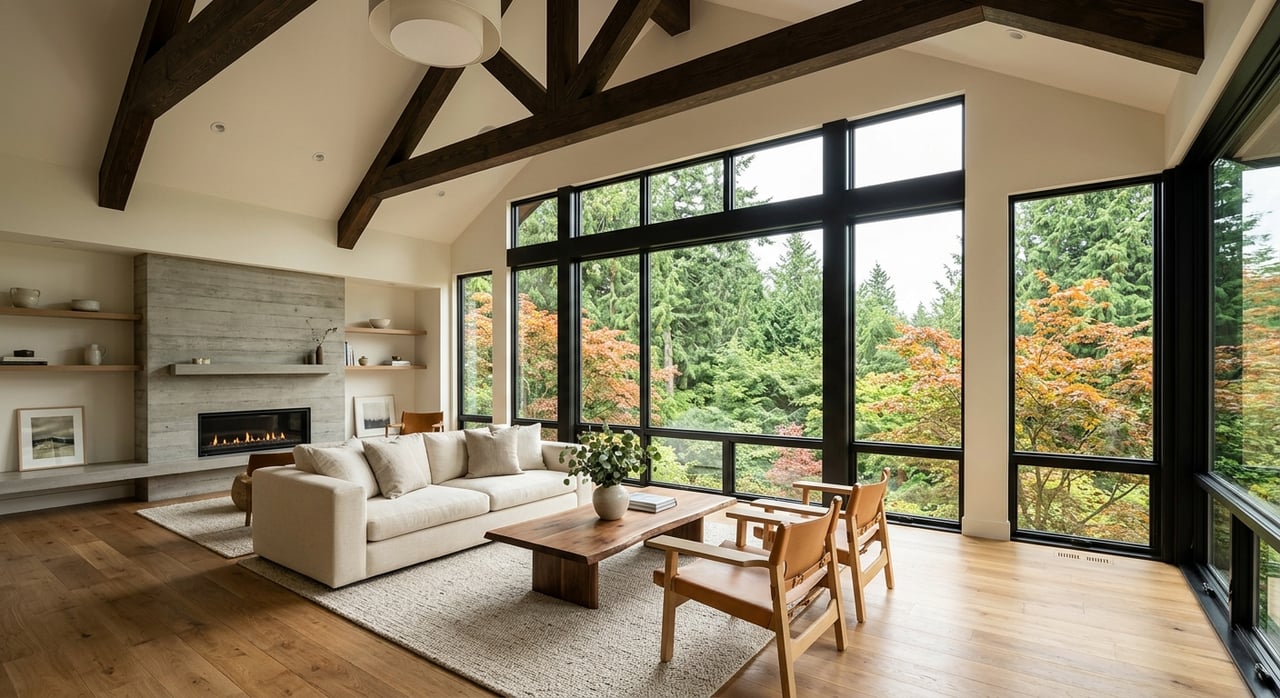
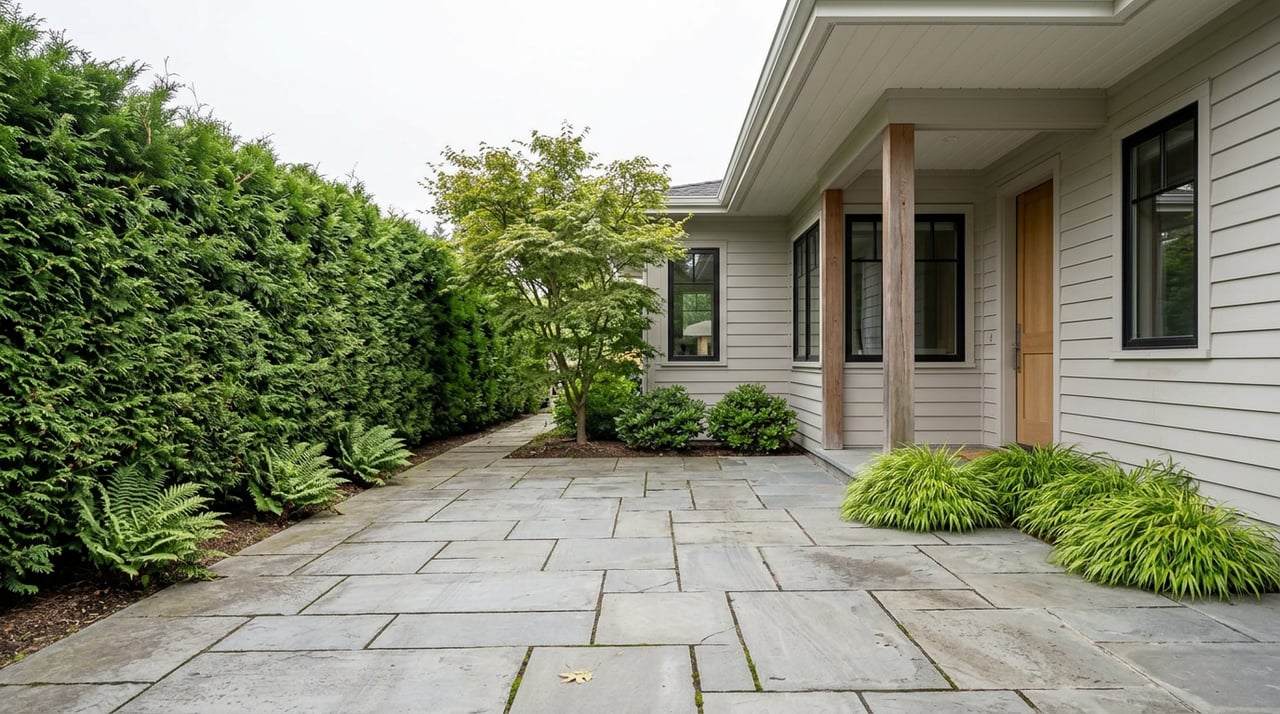
If you value a peaceful, established neighborhood environment, Clyde Hill is known for that kind of setting. City planning documents describe it as a place with quiet neighborhoods, tree-lined streets, and abundant territorial and water views.
Because the city is fully built out and surrounded by other incorporated communities, it does not have room to expand outward. In practical terms, that gives Clyde Hill the feel of a stable residential enclave rather than an area going through large-scale outward growth.
Clyde Hill is overwhelmingly residential. According to the city’s 2024 plan, 69.3% of the land is designated single-family residential, while only 0.1% is commercial or business use.
You will not find a downtown core or an urban village atmosphere here. In fact, the city has only two business district parcels, identified in the plan as a cafe and a gas station, which reinforces how strongly the community is oriented around homes rather than retail activity.
If you are picturing mostly detached homes on larger lots, that is consistent with the city’s land use pattern. The minimum zoned residential lot size is 20,000 square feet, and the city is expected to remain primarily low-density and largely composed of single-family homes.
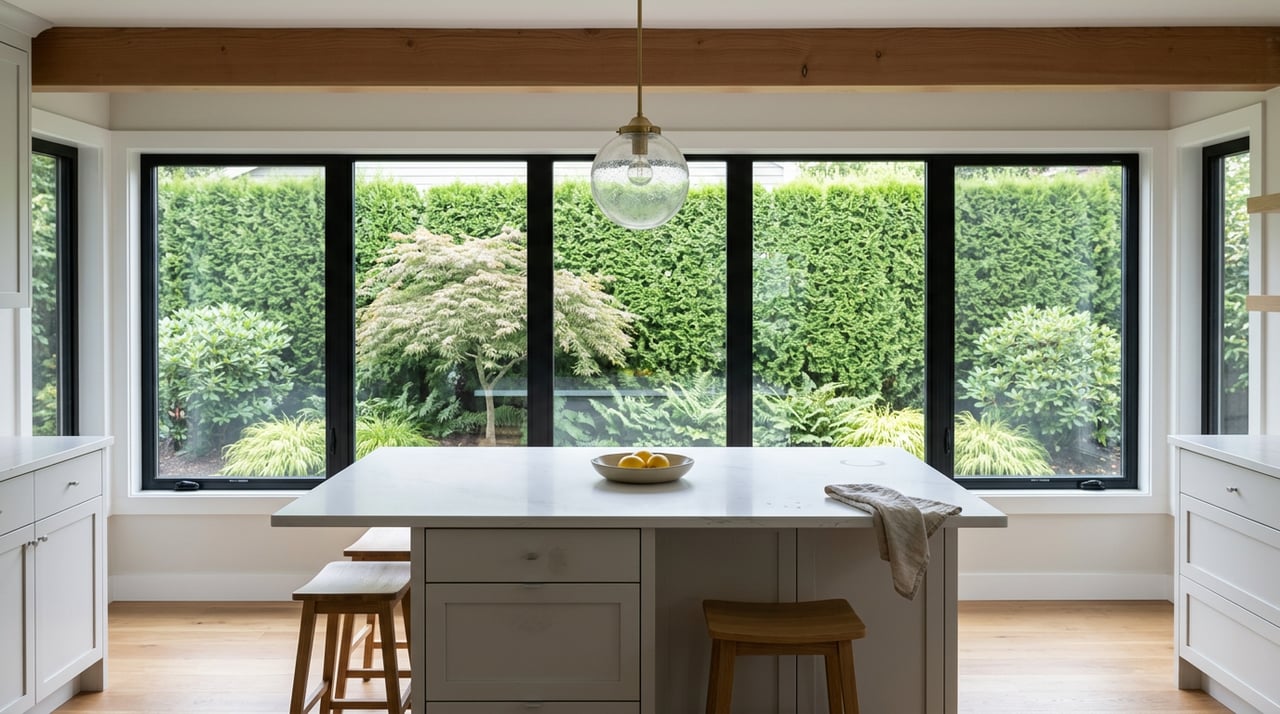
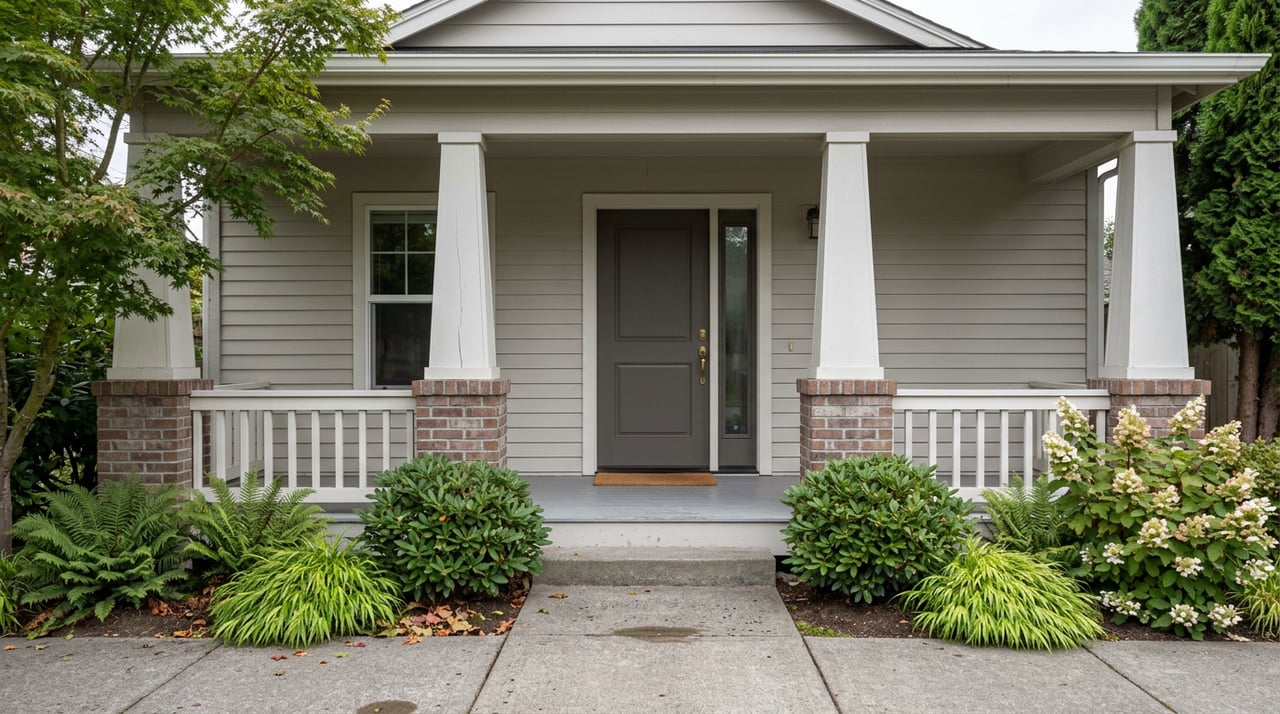
The housing stock also reflects an established neighborhood. Clyde Hill has 1,226 housing units, more than 99% of them single-family homes, and 93% are owner-occupied.
A large share of the homes are older by local standards. About 44% were built before 1970, with the largest age group dating to the 1960s, so the streetscape often reads as a mix of older homes, renovated residences, and newer custom rebuilds.
Newer homes in Clyde Hill are generally the result of redevelopment rather than large new subdivisions. That matters if you are looking for a neighborhood with a mature feel instead of one defined by ongoing tract development.
Clyde Hill is widely understood as an upscale housing market. The city’s housing needs assessment notes that more than 80% of homes are valued above $2 million.
For buyers, that means Clyde Hill often appeals to those looking for larger residential lots, detached homes, and a more private setting near Bellevue. For sellers, it helps to understand that presentation, positioning, and a clear sense of lifestyle can be especially important in a market where buyers are often comparing design, condition, and view potential very closely.
One of Clyde Hill’s defining features is its hilltop setting. The land slopes from a ridgeline near 375 feet down toward roughly 75 feet, creating the conditions for broad outlooks across the area.
The city says the viewscape can include Lake Washington, the Seattle skyline, Meydenbauer Bay, Kirkland, downtown Bellevue, and on clear days, the Olympic Mountains. The city also maintains view-sensitive regulations intended to help protect sight lines and sunlight, which shows how central views are to the neighborhood identity.
Daily life in Clyde Hill is residential first, which means most errands happen outside the city itself. With almost no commercial land inside city limits, residents typically look to nearby Bellevue or Kirkland for shopping, dining, healthcare visits, and routine appointments.
That setup can be a good fit if you want your home environment to feel separate from busy commercial corridors. The tradeoff is that you should expect to leave the neighborhood for many day-to-day services.
The good news is that nearby access is part of the appeal. The city notes that within a two-mile radius of City Hall, nearby communities provide hundreds of commercial establishments, more than a million square feet of retail space, and abundant healthcare office and clinic space.
Clyde Hill offers a central location for regional travel, even though it keeps a quiet neighborhood character. The city explicitly points residents toward SR-520 and I-405 for commuting to jobs beyond city limits.
That means you can feel close to major employment centers while still living in a low-density residential setting. For many households, driving is likely to be the default way to get around.
Transit is available, though it is more regional than neighborhood-centric. King County Metro Route 246 connects Clyde Hill to Bellevue and Factoria, while Route 271 along 84th Avenue NE connects to Seattle, Bellevue, and Issaquah.
The city also notes that Sound Transit buses stop along SR-520 and that transit ridership has historically been low in Clyde Hill. In everyday terms, transit is an option for some trips, but most residents are likely to organize daily routines around the car.
Clyde Hill is not packed with large public recreation areas, but it does offer a few meaningful outdoor assets. The city owns City Park, a 0.81-acre park with tennis courts, benches, a grassy lawn, lighting, and a forested setting.
There is also View Park, a small west-facing viewpoint that reflects the city’s connection to its surrounding scenery. These spaces add to the sense of a quiet residential community with moments of open air and outlook.
Another important feature is the Points Loop Trail. Clyde Hill maintains about 2.9 miles of this larger 8-mile trail within city limits, and the route connects neighboring Eastside communities, transit stations, schools, downtown Bellevue, and other trail links.
For residents, that can support walks, bike rides, and local connectivity without changing the city’s low-key feel. It is a practical amenity that ties together outdoor movement and day-to-day access.
Schools are a visible part of life in Clyde Hill. The city is entirely within the Bellevue School District and includes two public schools, Clyde Hill Elementary and Chinook Middle School, along with two private schools.
The city also notes that four large schools in the southeast quadrant account for about one-eighth of Clyde Hill’s land area. That means school traffic and school-related routines can be a noticeable part of the neighborhood’s daily rhythm.
If you are home during drop-off and pick-up times, that is worth keeping in mind. It is one of the practical details that helps shape how the city functions from day to day.
Clyde Hill may be a strong fit if you want a residential setting with large-lot homes, established streets, and a sense of privacy near Bellevue. It can also appeal if views, mature landscaping, and a more tucked-away feel matter to you.
At the same time, it helps to be realistic about the lifestyle. If you want a walkable commercial district, a wide range of in-neighborhood restaurants, or a more urban mix of housing choices, Clyde Hill may feel limited because that is not how the city is built.
Instead, its appeal is tied to being compact, established, and intentionally residential. For many buyers, that balance is exactly the point.
If you are considering Clyde Hill, it helps to look beyond square footage alone. Lot size, topography, view orientation, redevelopment potential, and proximity to main routes can all affect how a property lives and how it may compare with nearby options in Medina, Bellevue, or Kirkland.
Because much of the housing stock is older, condition and quality of updates can vary significantly from home to home. Some properties may offer classic architecture and mature settings, while others may reflect substantial renovation or complete rebuilds.
That kind of market often rewards a careful, property-specific approach. Understanding how a home fits into the broader Clyde Hill setting is just as important as understanding the home itself.
If you are thinking about a move to Clyde Hill or comparing it with other Eastside neighborhoods, Lizanne Wicklund can help you evaluate the lifestyle, home styles, and market nuances so you can move forward with clarity.
Stay up to date on the latest real estate trends.
With an early career in design, marketing, and corporate partnerships at Seattle’s top firms, Lizanne brings a sharp, creative edge to residential real estate. She combines expert negotiation with data-driven marketing to deliver seamless results. Whether finding your dream home in Seattle or the Eastside's most coveted neighborhoods—or maximizing value for your property—Lizanne provides unparalleled service backed by Windermere, the region’s most trusted brokerage.
Let me know how I can assist you.