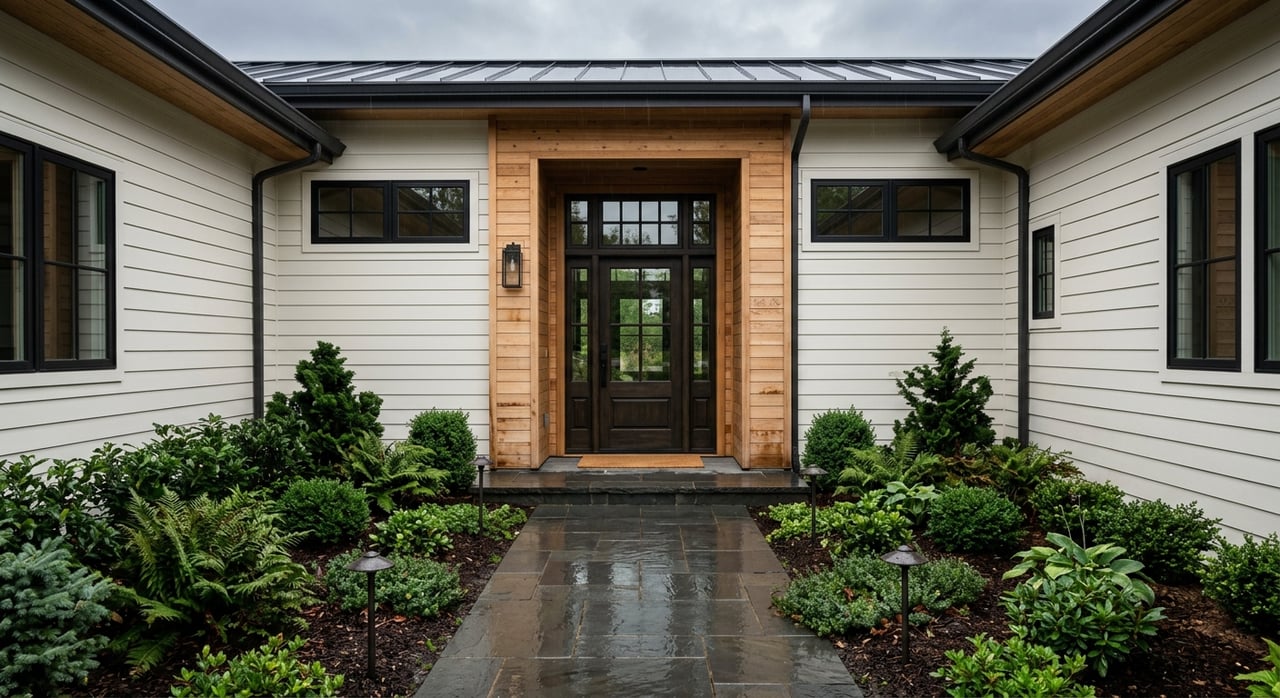
Selling A Denny-Blaine Estate With Story-Driven Marketing
April 2, 2026
April 2, 2026
If you are selling a Denny-Blaine estate, a standard listing strategy can leave real value on the table. In a neighborhood shaped by early Seattle history, architecture, and landscape, buyers are not only comparing square footage. They are also responding to setting, provenance, design, and how a home makes them picture life there. That is why story-driven marketing matters here, and why the right preparation can help your property stand apart. Let’s dive in.
Denny-Blaine sits along Lake Washington between Madison Park and Madrona, and its physical character is part of what makes it so distinctive. According to HistoryLink’s neighborhood history, the area developed as a turn-of-the-century subdivision laid out to follow the land’s natural contours, which created winding streets, occasional cul-de-sacs, and hillside parks.
That planning history still shapes how buyers experience the neighborhood today. The housing stock was built largely from 1900 to 1930, with Craftsman homes especially prominent, along with 1920s eclectic architecture and early modernist work. When a neighborhood has that kind of architectural consistency, your marketing should do more than list specs. It should explain where the home fits in the larger story.
Most buyers start their home search online, so your first showing usually happens on a screen. The latest NAR buyer and seller research shows buyers typically search for about 10 weeks and visit a median of seven homes, while photos rank as one of the most useful listing features for nearly nine in 10 buyers age 58 and under.
In other words, buyers are making early decisions quickly. A Denny-Blaine estate needs visual and written marketing that helps them understand not just the home itself, but also the experience of living there.
NAR also recommends narrative-style listing descriptions, virtual walkthroughs, floorplans, drone imagery, and strong visual assets that give buyers as much information as possible. As NAR’s listing guidance explains, this approach is especially effective for homes where value comes from design details, site orientation, and neighborhood setting.
For a premium estate in Denny-Blaine, buyers are often evaluating more than finishes and room count. They may be drawn to the relationship between the house and the land, the sense of privacy, the architectural lineage, or the connection to nearby parks and shoreline.
Seattle Parks notes that the Denny-Blaine Land Company donated a cluster of parks in the area, including Denny-Blaine Lake Park, Viretta Park, Stevens Park, Children’s Park, and Whitman Place. That context gives sellers a richer way to position a home. Instead of relying on generic luxury language, the campaign can highlight landscape, indoor-outdoor flow, and the neighborhood’s longstanding connection to green space.
There is also real depth to the area’s civic history. Seattle Parks describes Elbert Blaine as an advocate of the Olmsted plan and a key figure in Seattle’s early park system. That kind of provenance can support a more memorable story for your listing, especially when the home’s architecture or site planning reflects the same era.
A strong story-driven campaign usually starts by identifying what is genuinely special about the property. In Denny-Blaine, that often means building the narrative around a few core themes rather than trying to say everything at once.
If your home has original detailing, notable design lineage, or a style that reflects the neighborhood’s early development, that should be front and center. Buyers in this segment often want context. They want to understand how the house was designed, how it has been cared for, and what makes it distinct.
Because Denny-Blaine was laid out to follow the land, many homes benefit from a strong relationship to topography, gardens, and filtered views. A well-executed campaign can show how the site creates privacy, light, and a sense of retreat.
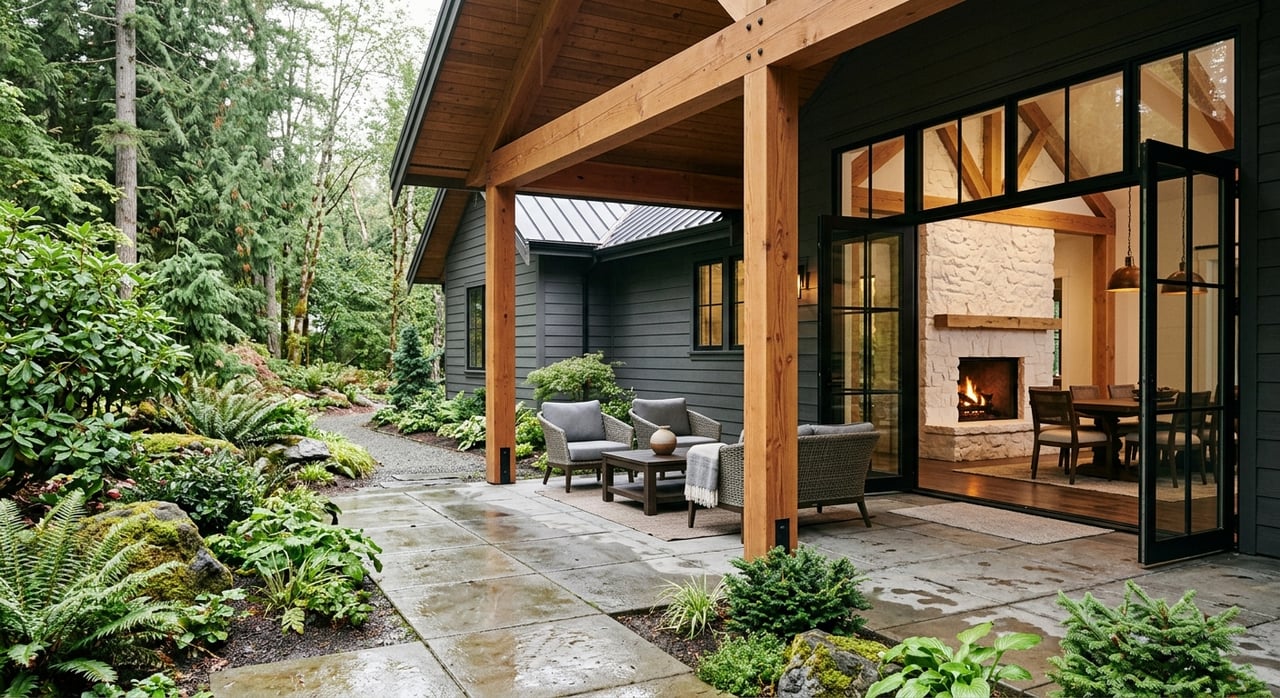
In a neighborhood connected to parks, hillside landscapes, and shoreline proximity, the transition between inside and outside matters. Terraces, garden rooms, large windows, and gathering spaces often tell a more compelling story than a long amenity list.
When appropriate, local history can add depth and credibility. The goal is not to turn a listing into a museum entry. It is to help buyers see the home as part of Seattle’s architectural and civic development.
Story-driven marketing is not just about words. It depends on visual clarity and emotional connection, which is why staging is so important.
According to the 2025 NAR Profile of Home Staging, 83% of buyers’ agents said staging makes it easier for buyers to visualize a home as their future home. The same report found that photos, physical staging, videos, and virtual tours were among the most important listing assets.
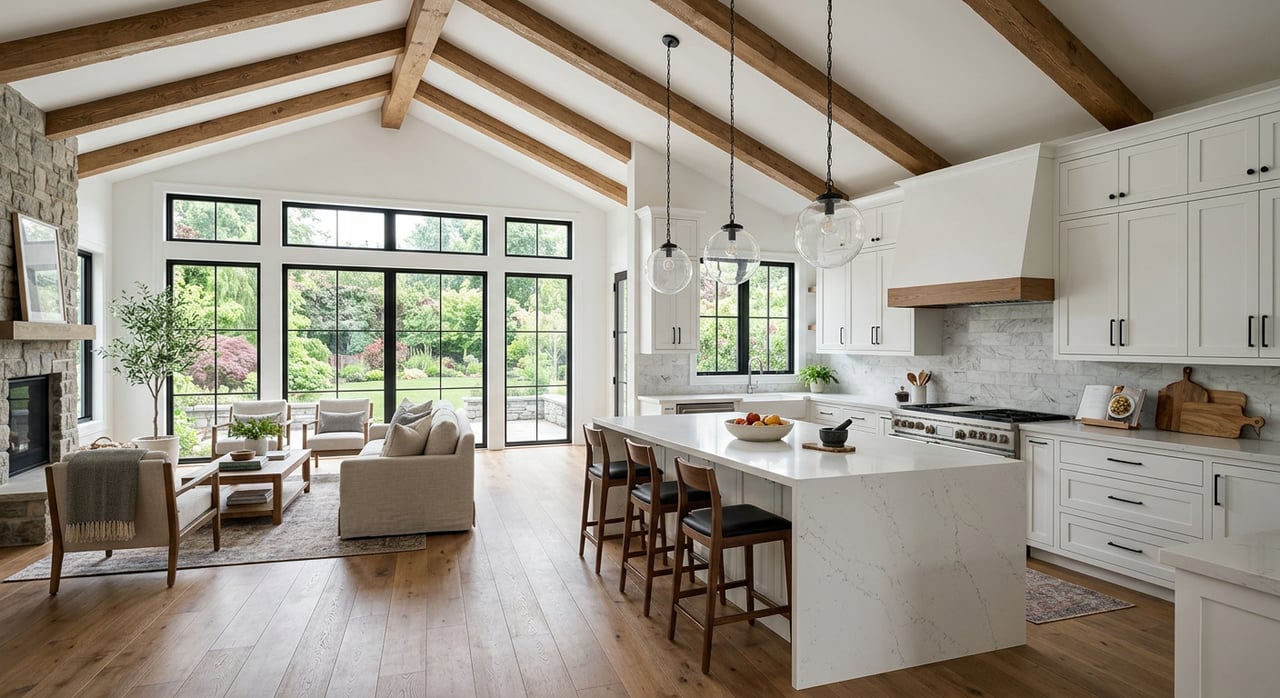
For a Denny-Blaine estate, staging should focus on the rooms that best communicate scale, craftsmanship, and flow. NAR reports that the living room, primary bedroom, dining room, and kitchen are the rooms most often staged. In a home like this, those spaces often carry the emotional weight of the story.
A successful estate launch is usually built well before the listing goes live. In a market with more inventory, thoughtful preparation can make the difference between broad admiration and serious buyer action.
NWMLS reports in its January 2026 market snapshot that active listings were up 20.9% year over year, while the region had 3.57 months of inventory. King County had the highest county median sales price in that report at $770,000. For a luxury seller, that means you may be competing in a market where buyers have more choices and attention is harder to win.
That is exactly why a bespoke launch matters. Before your estate hits the market, it helps to prepare:
This kind of preparation aligns with NAR’s guidance for stronger online listings and gives buyers more reasons to engage before they ever book a showing.
If your property is individually designated as a Seattle landmark or falls within a historic district, preparation may require an extra step. The City of Seattle notes that a Certificate of Approval is required before certain changes begin.
That matters if you are planning exterior repairs, visible alterations, or window work before photography and launch. Addressing this early can help avoid delays and keep your pre-market timeline on track.
Story-driven marketing works best when it is paired with the right buyer strategy. National NAR data shows that repeat buyers make up 79% of buyers, 30% of repeat buyers paid all cash, and most buyers and sellers still work through an agent or broker, according to NAR’s seller profile.
For a Denny-Blaine estate, that suggests the likely audience may include experienced, equity-rich buyers who expect a polished presentation and a well-managed process. They are often looking for more than a beautiful home. They also want confidence in pricing, preparation, and execution.
NAR’s 2024 buyer and seller report also found that buyers often want help understanding the process, noticing features or flaws, and negotiating terms, while sellers most often want help with marketing, pricing, and timing. That is why a strong campaign should combine aesthetic storytelling with practical guidance from start to finish.
In a Denny-Blaine sale, effective story-driven marketing usually blends design, data, and logistics. It is not only about beautiful imagery, and it is not only about pricing strategy. The best results tend to come from combining both.
That can mean identifying the home’s strongest narrative, refining key spaces through staging, coordinating premium visual media, and then launching with messaging tailored to buyers who value architecture, privacy, and setting. It also means managing timing, preparation, and transaction details so the process feels organized rather than overwhelming.
For sellers who need support before listing, practical tools can make a real difference. Lizanne Wicklund’s full-service approach includes design-forward marketing along with transaction management and access to Windermere programs like READY and Bridge Loan, which can help reduce friction around prep and timing when those solutions fit your needs.
A Denny-Blaine estate is rarely a commodity listing. The neighborhood’s early 20th-century fabric, landscape character, and historic park connections create a setting where story adds substance, not fluff.
When your marketing shows how the home lives, where it sits, and why it matters, buyers have a better framework for understanding value. In a competitive King County market, that clarity can help your home attract the right attention and create stronger momentum from day one.
If you are preparing to sell in Denny-Blaine and want a launch plan that balances architectural storytelling with practical execution, Lizanne Wicklund offers a design-minded, full-service approach tailored to Seattle’s most distinctive homes.
Stay up to date on the latest real estate trends.

With an early career in design, marketing, and corporate partnerships at Seattle’s top firms, Lizanne brings a sharp, creative edge to residential real estate. She combines expert negotiation with data-driven marketing to deliver seamless results. Whether finding your dream home in Seattle or the Eastside's most coveted neighborhoods—or maximizing value for your property—Lizanne provides unparalleled service backed by Windermere, the region’s most trusted brokerage.
Let me know how I can assist you.