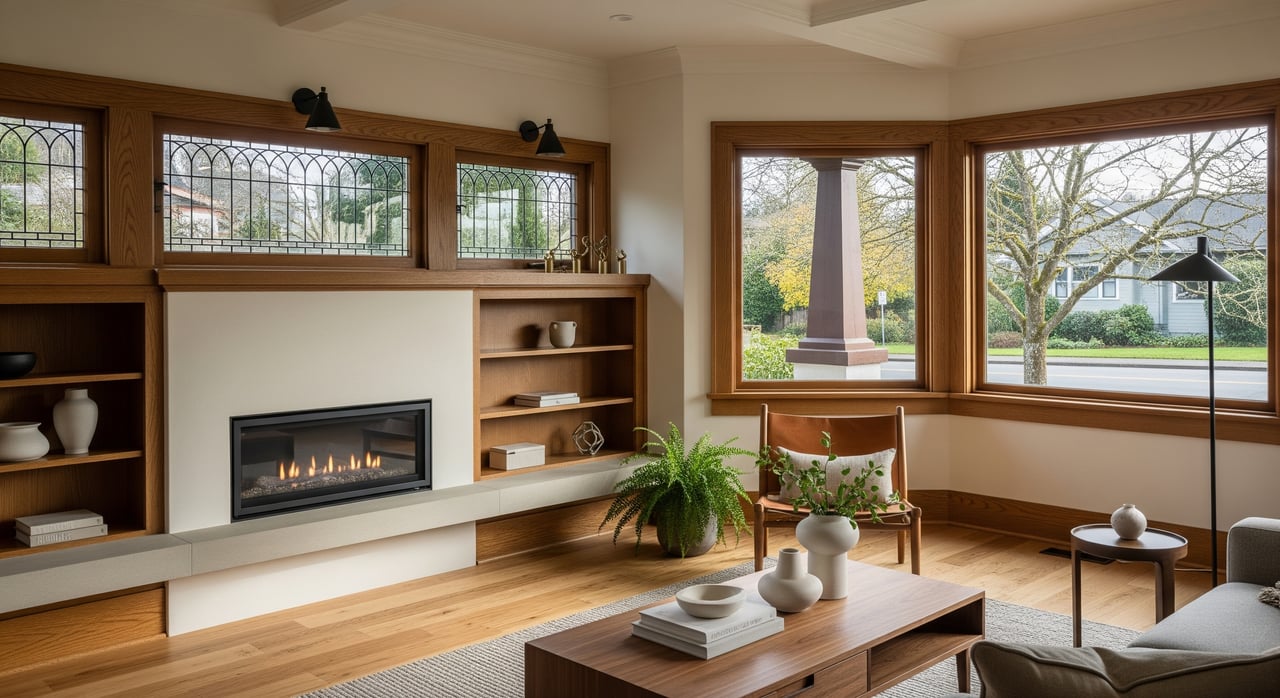
Update a Wallingford Craftsman Without Losing Soul
October 16, 2025
October 16, 2025
Is your Wallingford Craftsman begging for a modern refresh, but you worry a remodel might erase its charm? You’re not alone. The porch columns, rafter tails, and warm wood trim are the reason you fell in love with it in the first place. In this guide, you’ll learn how to update for comfort, efficiency, and everyday living while protecting the character that makes your home feel right on its block. Let’s dive in.
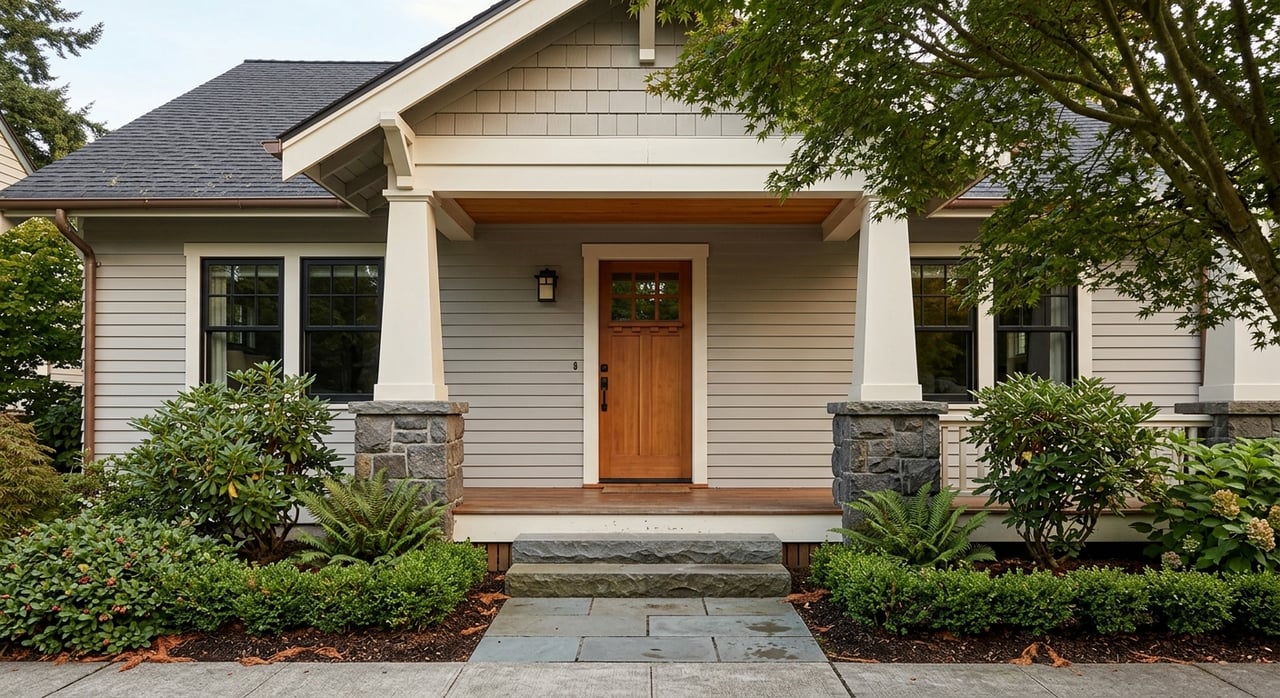
Wallingford’s early 20th‑century homes share hallmark details: low gabled roofs with exposed rafter tails, generous porches with battered square columns, wood shingle or clapboard siding, and rich interior trim and built‑ins. These elements define the neighborhood’s look and feel. To understand what you have and what to protect, start by reviewing examples from Historic Wallingford’s architecture guide.
Adopt the national best practice: identify, retain, and preserve character‑defining features first. The Secretary of the Interior’s Standards favor repair over replacement and call for new work that is compatible yet clearly contemporary.
Before you sketch plans, confirm if your property is designated or within a district that requires review. Seattle uses a Certificate of Approval process for designated properties and districts, so check status early through the City’s historic preservation guidance. Most exterior changes also need permits, so map your path with SDCI’s guide to house additions and remodels.
Keep the roof form and exposed rafter tails intact. Replace roofing with in‑kind or visually compatible materials and repair chimneys rather than removing them. The NPS energy guidance supports insulation and careful roof work that preserves key details. Review the rehab guidelines to plan sensitive repairs.
Repair original clapboard or shingle siding where you can. If sections must be replaced, match profile and exposure so shadows and reveals look right. Avoid generic claddings that change corner trim or scale unless detailed to match. The NPS offers clear direction on repairing and replacing exterior materials.
Address drainage and foundation repairs without changing the porch height or entry approach that defines your façade. Many exterior alterations require permits, so align with SDCI’s remodeling guidance before you start.
Original wood windows are often repairable. Sash repairs, selective part replacement, and better weather‑stripping can extend their life and improve comfort. For efficiency, add interior or exterior storms to preserve sightlines and profiles, as described in Preservation Brief 9.
If replacement is unavoidable, match size, muntin patterns, and profiles, especially on street‑facing sides. The NPS outlines what qualifies as compatible replacement in its window standards, and explains how to document existing conditions for review in its window documentation guide.
Start with a home energy audit and target air sealing and attic insulation first. The NPS recommends reversible, low‑impact weatherization that protects historic fabric, such as interior storms and careful insulation at attics and crawlspaces. See their guidance on weatherization of historic buildings.
For heating and cooling, heat pumps can add comfort with minimal disruption. Seattle City Light offers rebates and contractor discounts for qualifying systems, and programs may stack with federal incentives. Review current options at Seattle City Light’s heat pump page and work with an installer who knows historic homes to locate condensers and line sets discreetly.
Keep original trim profiles, built‑ins, and door openings where possible. When adding new cabinetry, simple inset or shaker doors and classic hardware pair well with Craftsman interiors. In bathrooms, retain clawfoot tubs and use tile sizes that suit the era, such as subway on walls and hex on floors, unless you choose an intentional modern contrast.
Protect porch depth, column proportions, and masonry piers. Avoid enclosing the front porch, which changes the face of the house. When repointing brick or stone, use compatible mortar mixes so the masonry performs as designed. The NPS rehab guidelines cover appropriate methods and materials.
Design additions to respect the original massing and rooflines. Stepping additions back from the front façade, matching roof pitch, and keeping eave heights sympathetic will help the new work read as subordinate. New elements should be compatible yet clearly new, a core principle in the rehab guidelines. Coordinate early with SDCI on setbacks, coverage, and review using their remodels overview.
Most exterior changes that alter openings, rooflines, porches, or siding require permits. If your property is designated or in a historic district, you may also need a Certificate of Approval before permits. Plan your path with SDCI’s additions and remodels guide and the City’s historic preservation process.
For financing and offsets, Seattle offers preservation incentives such as special valuation for qualifying rehabilitations. Owner‑occupied single‑family homes generally do not qualify for federal historic tax credits, but local programs for designated properties may apply. Explore the City’s preservation incentives and DAHP’s overview of the federal historic tax credit.
For energy upgrades, review current rebates and discounts for heat pumps and efficiency measures through Seattle City Light. Program rules and funding change, so confirm details before purchasing equipment.
A thoughtful plan lets you add comfort and value without losing the essence that makes your Wallingford Craftsman special. Small, reversible moves often deliver the biggest impact, and when larger changes are needed, compatibility and scale keep the house reading right on its street.
If you’re weighing updates with a future sale in mind, a design‑sensitive approach can help your home resonate with buyers who love Wallingford’s authentic character. For tailored guidance on what to update now, what to protect, and how to position your home for the market, reach out to Lizanne Wicklund. Her design‑forward strategy and Windermere programs like READY and the Bridge Loan can help you prep with confidence and ease.
Stay up to date on the latest real estate trends.
With an early career in design, marketing, and corporate partnerships at Seattle’s top firms, Lizanne brings a sharp, creative edge to residential real estate. She combines expert negotiation with data-driven marketing to deliver seamless results. Whether finding your dream home in Seattle or the Eastside's most coveted neighborhoods—or maximizing value for your property—Lizanne provides unparalleled service backed by Windermere, the region’s most trusted brokerage.
Let me know how I can assist you.